Call Back

+91 86866 76781

24/7 Emergency Phone
Clock

Monday – Sunday

9AM – 9PM

Tooth Protection | Natural Look | Strong Bite

Dental Crowns


Sharp pain on biting, cracked enamel, or large old fillings often signal a tooth that needs extra protection. Dental crowns are custom caps that cover and strengthen damaged teeth while improving shape and colour. At Galaxy Dental Care in Banjara Hills, crowns are planned with your bite, smile line, and long term maintenance in mind, across 9 branches in Hyderabad. Call +91 86866 76781 to book with an experienced restorative dentist.

8200

Patients Recovered

10

Average Waiting Time

5

Satisfaction Rating

Dental Crowns
Prosthodontist-Guided Crown Care

Prosthodontist-Guided Crown Care

Treatment planned and delivered by trained dentists across all Hyderabad branches.

Call Back
Need a Dental Service?

+91 86866 76781

Clock
Visiting Hours

Mon - Sun 9 AM to 9 PM

What Is

Dental Crowns?

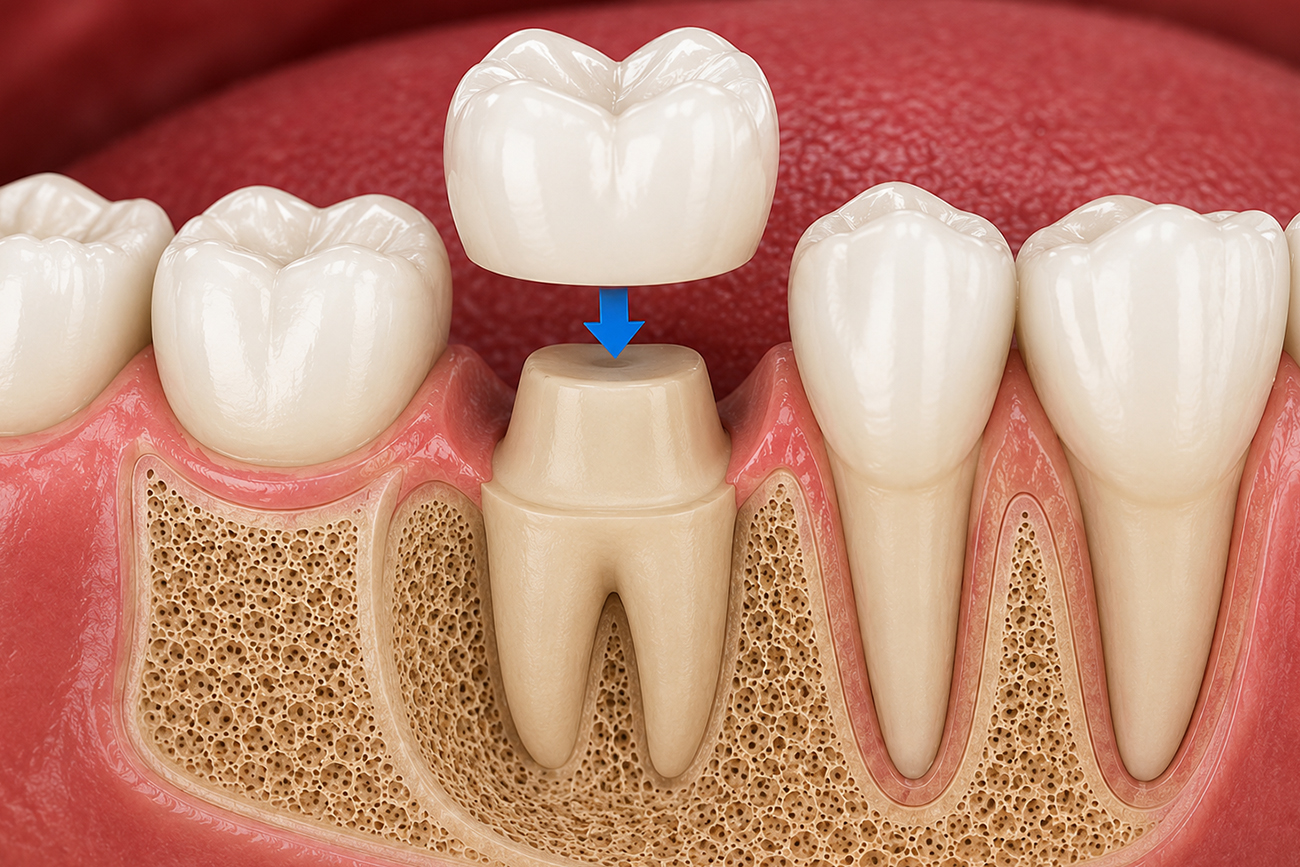
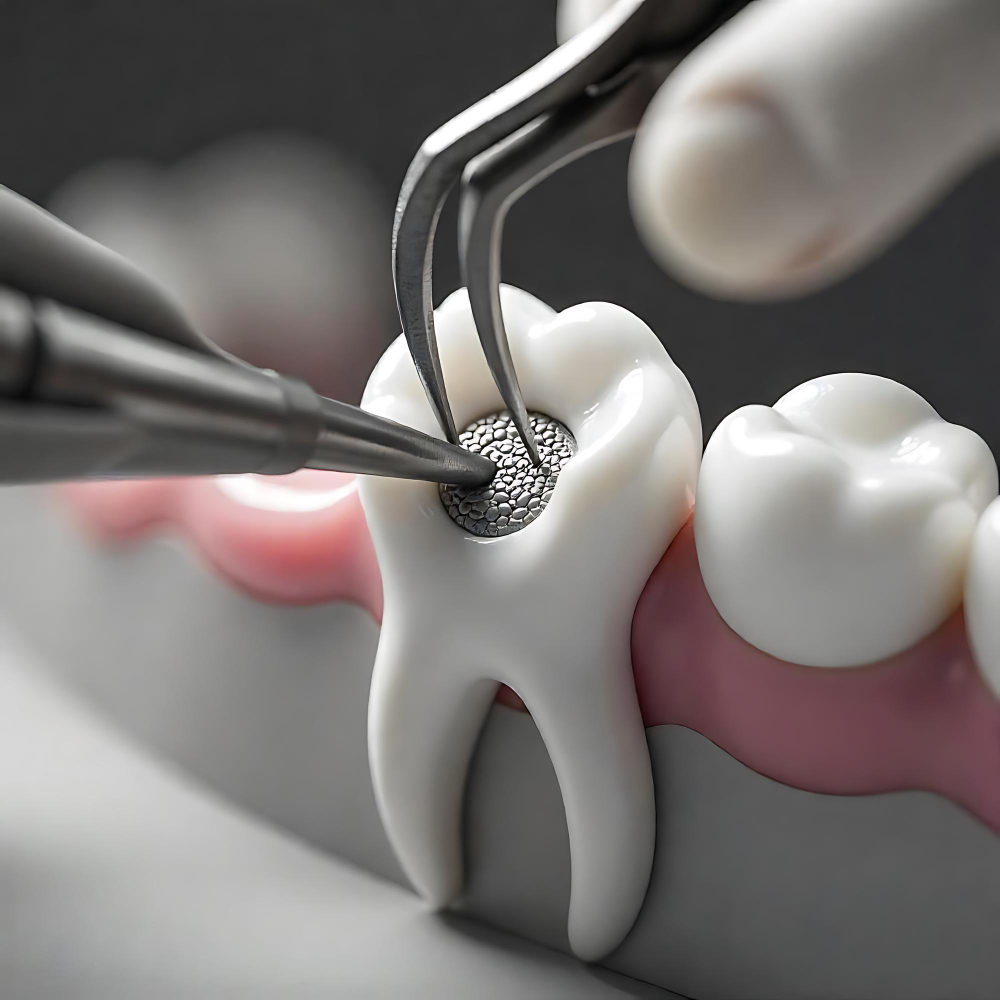
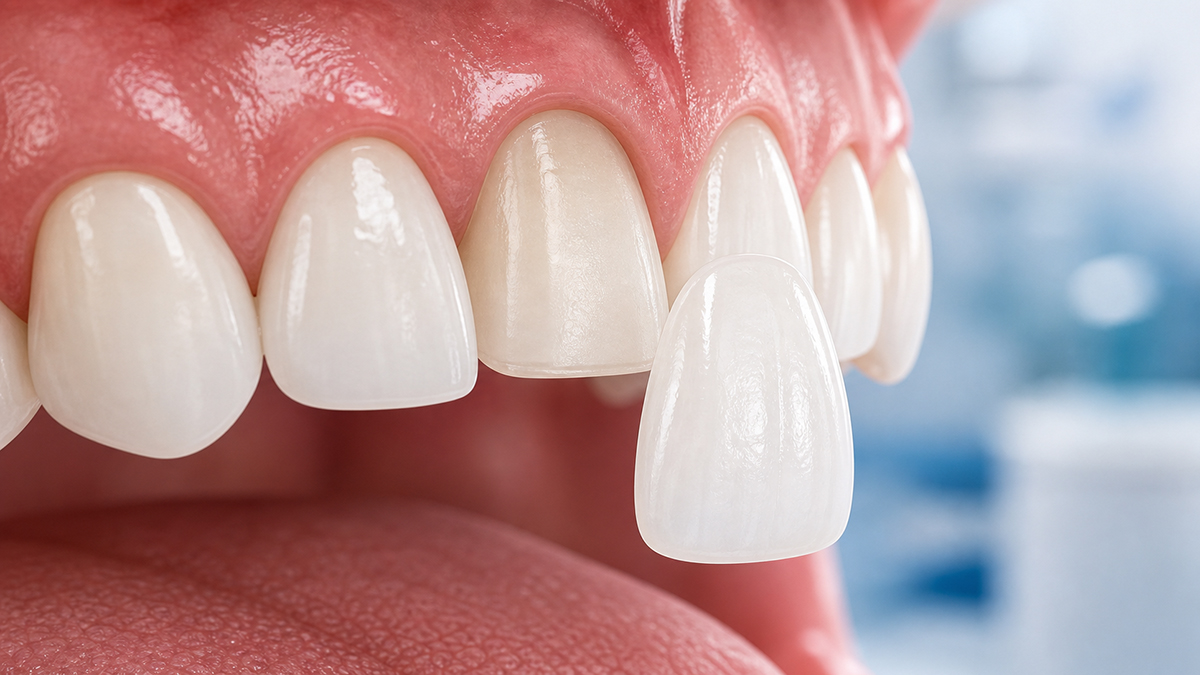
A dental crown is a custom made cap that covers the visible part of a tooth to restore strength, shape, and appearance. It protects teeth that are cracked, heavily filled, root canal treated, or worn down. Crown treatment does not usually need surgery, it is done on the tooth above the gumline. The dentist shapes the tooth, takes precise records, and bonds the crown so you can chew, speak, and smile confidently. Read more on Dental Crowns here.

Single Tooth Crown

Single Tooth Crown


Single tooth crowns cover one damaged or root treated tooth, ideal when neighbouring teeth are sound and only one tooth needs strength and protection.

Multiple Unit Crowns

Multiple Unit Crowns


Multiple unit crowns restore several adjacent teeth together, useful where many teeth are worn or fractured and the bite needs coordinated rebuilding.

Dental Crowns?

Who Needs

Dental Crowns?

An experienced restorative dentist confirms if a crown suits your tooth by checking remaining tooth structure, gum health, bite contacts, and opposing teeth. Many patients in Banjara Hills consider crowns after pain, fracture, heavy fillings, or smile concerns.

Broken or cracked tooth

A tooth fractured from trauma or biting hard food often loses structural support, so a crown is advised to hold it together and prevent deeper cracks.

Broken or cracked tooth

Very large old filling

A tooth with a large, leaking filling from earlier decay can have thin walls, so a crown protects it from splitting under chewing forces.

Very large old filling
Dental Crowns?
Want non-surgical replacement

Want non-surgical replacement

Patients who prefer a non surgical solution instead of extraction and implants sometimes choose a crown on a restorable tooth to retain their own root.

Old crown feels loose

Old crown feels loose

A previous crown that has become loose or worn at the edges over years often needs replacement to improve fit, hygiene access, and appearance.

Medical conditions affecting gums

Medical conditions affecting gums

Patients with medical issues affecting gum surgery tolerance may be steered toward crowns over surgical options, as crowns work on existing tooth structure.

Medical conditions affecting gums

Medical conditions affecting gums

Patients with medical issues affecting gum surgery tolerance may be steered toward crowns over surgical options, as crowns work on existing tooth structure.

Types of

Dental Crowns at Galaxy Dental Care

The dentist recommends the right crown type after assessing bite forces, tooth position, gum line, and smile needs. Choices balance strength, appearance, and maintenance. Not every patient is a candidate for every type.

Metal Ceramic Crown

Metal Ceramic Crown

This crown has a metal base for strength with tooth coloured ceramic on top, useful for back teeth that need durability and acceptable appearance.

Full Ceramic Crown

Full Ceramic Crown

This crown is made entirely from tooth coloured ceramic, preferred for front teeth where natural translucency and shade matching are more important than extreme metal strength.

Full Mouth Crowns

Full Mouth Crowns

This approach restores many or all teeth with crowns, carefully balancing the bite and jaw position to manage severe wear, erosion, or long standing grinding.

Implant Supported Crowns

Implant Supported Crowns

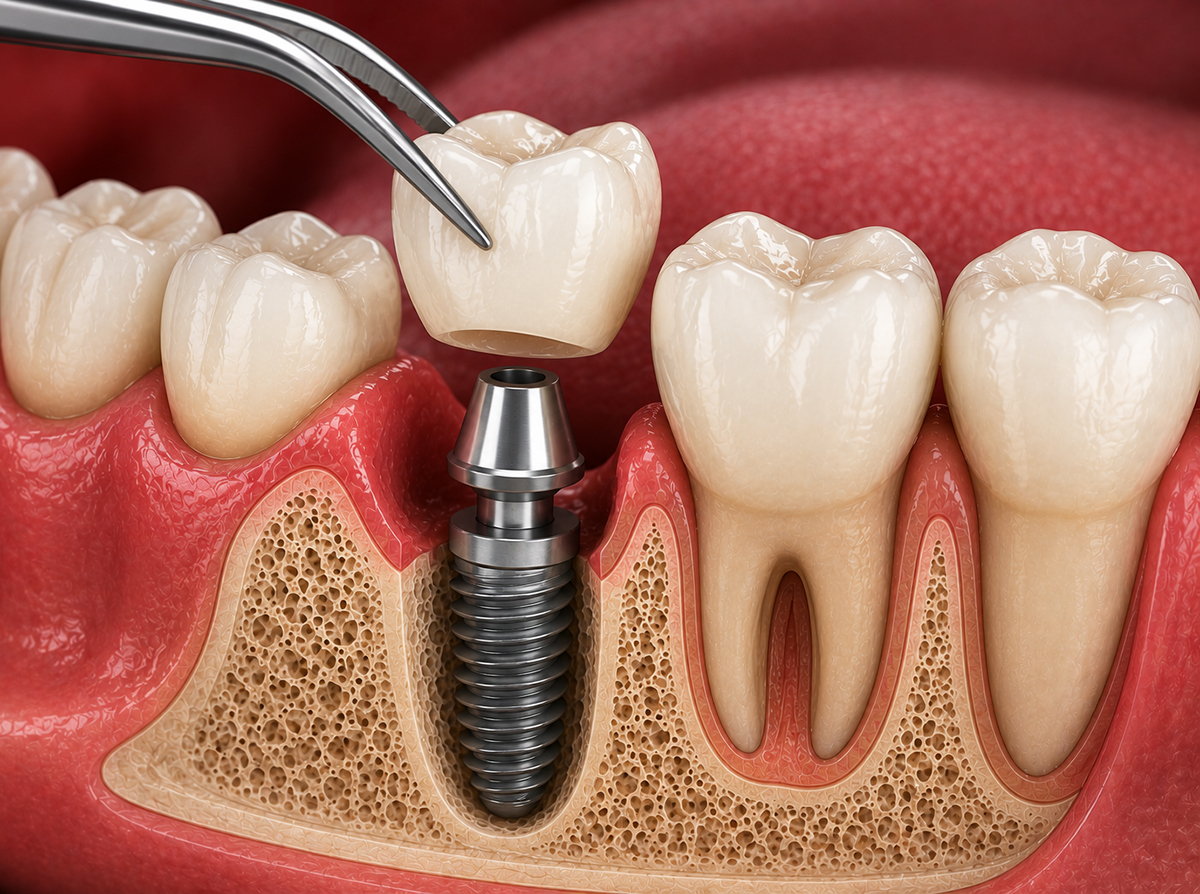
These crowns sit on dental implants rather than natural roots, giving improved stability and chewing strength where a tooth is missing and an implant has been placed.

How Does

Dental Crowns Treatment Work?

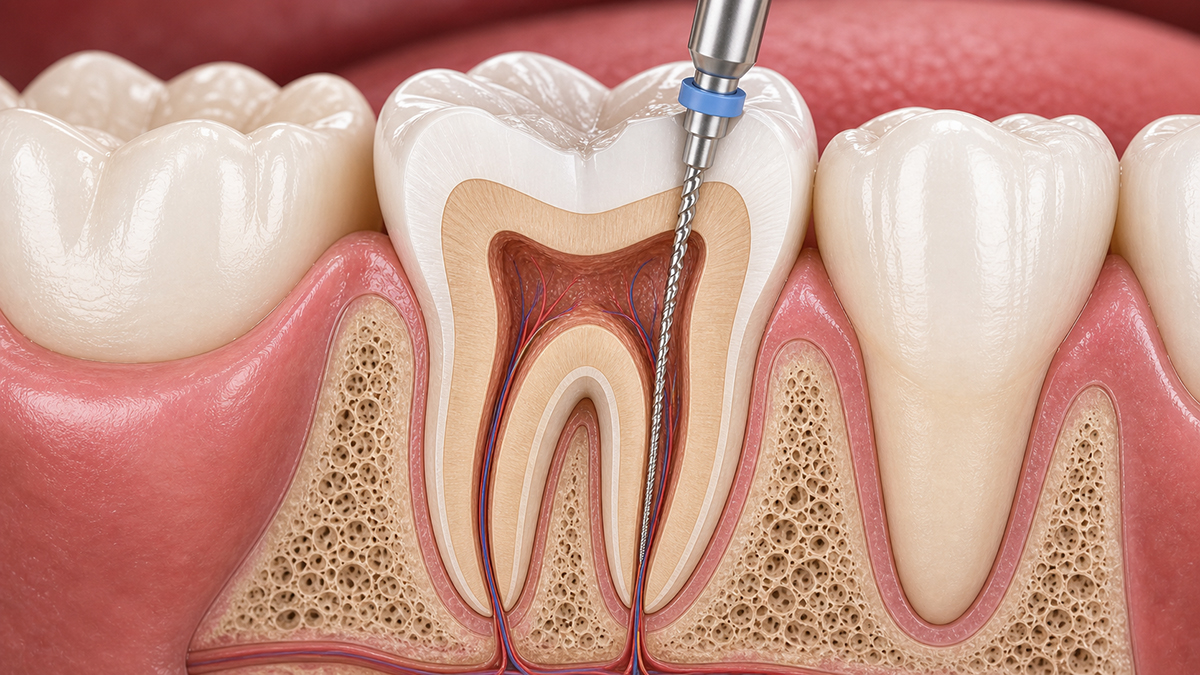
Tooth Preparation And Records is the phase where the dentist shapes the tooth under local anaesthesia, checks clearance for the crown, and protects the nerve. Precise moulds or digital scans are taken, along with shade selection and bite records. You review crown material options and expected timelines. A temporary crown is usually placed so you can chew and smile comfortably until the final crown is ready.

Tooth Preparation And Records

Crown Try-In And Cementation is the phase where the dentist checks the new crown on your tooth, adjusting contacts and bite points before final fixing. Margins, shade matching, and gum comfort are reviewed carefully. Once both of you are happy with fit and look, the crown is cemented. Mild oddness on biting at first is common, which eases as your chewing adjusts and fine tuning is done if needed.

Crown Try-In And Cementation
Dental Crowns vs Dental Implants

Which Is Right for You?

Dental Crowns vs Dental Implants


Both options address damaged or missing teeth but differ in procedure, support, healing, and long term maintenance requirements.

Dental crowns keep your natural tooth root. The dentist prepares the existing tooth, covers it with a cap, and avoids surgery in most cases. Crowns are useful when enough healthy root and surrounding bone remain, but they rely on that tooth staying disease free.

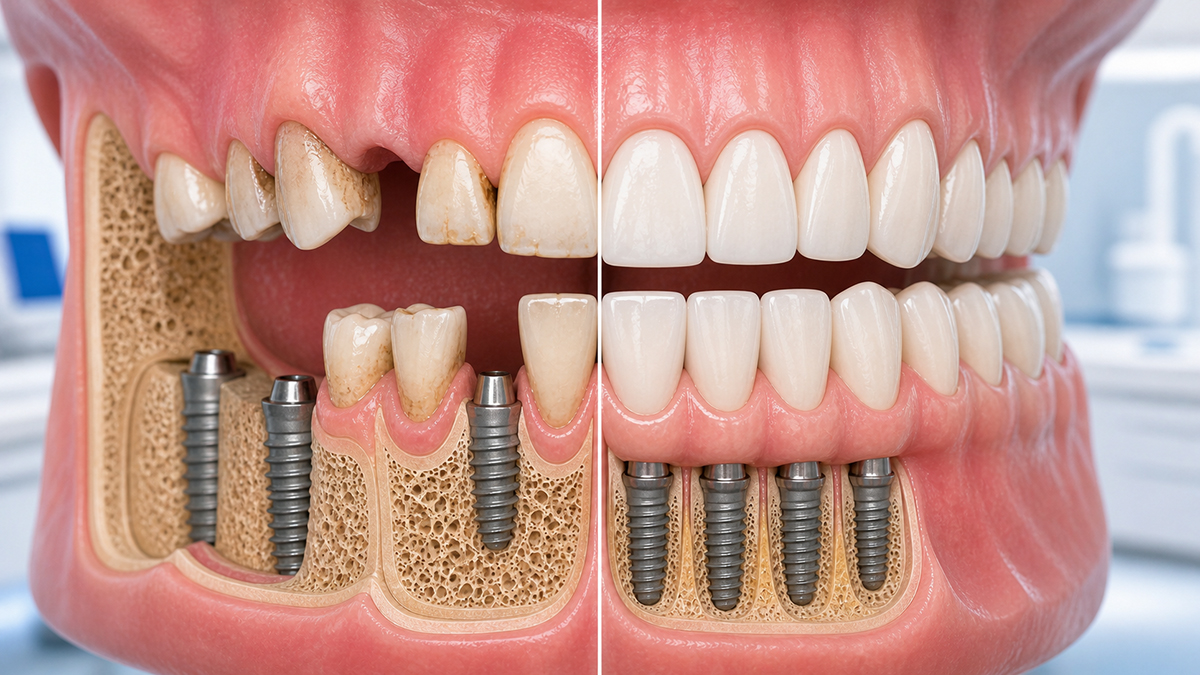
Dental implants replace the whole missing tooth with a titanium fixture and a crown on top, as explained under Dental Implants. This needs minor surgery, healing time, and very good oral hygiene. Implants do not depend on neighbouring teeth but do need adequate bone support.

A qualified restorative dentist in Banjara Hills confirms the right option only after clinical examination and appropriate radiographic scans.

What Happens at

Your First Dental Crowns Consultation?

Many patients search “Dental Crowns near me” after pain or fracture; this visit confirms suitability, suggests crown type, and explains each stage from preparation to final fitting.

Examination 1

Examination


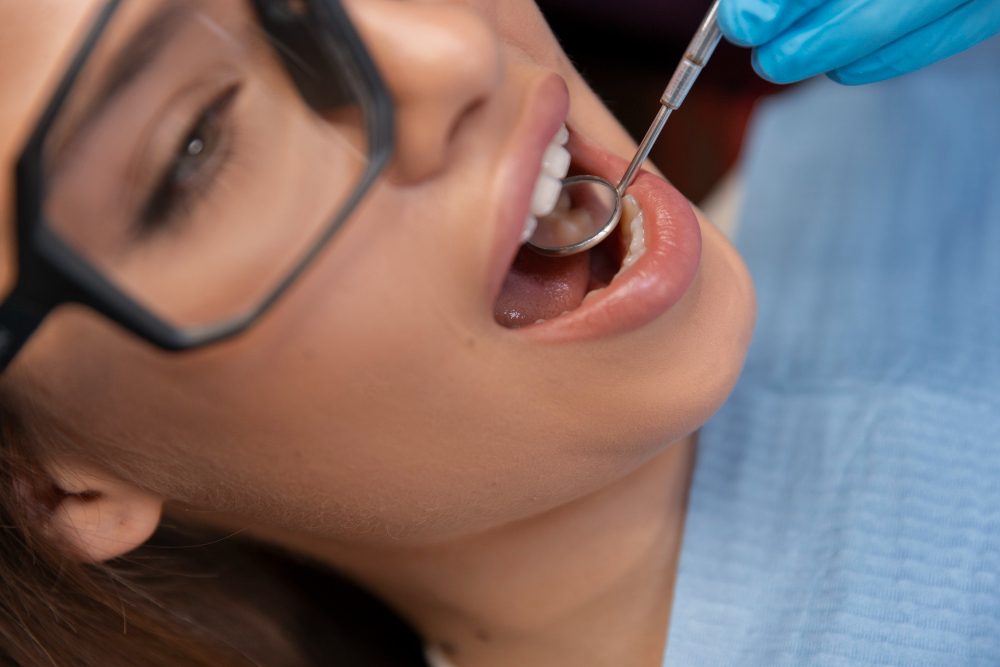
The dentist checks the tooth structure, surrounding gums, opposing teeth, and bite to see if the tooth can support a crown.

History 2

History


The dentist reviews pain history, prior treatments, grinding habits, and medical conditions that might influence anaesthesia choices or crown material selection.

Records 3

Records


The dentist takes digital X rays, photographs, and impressions or scans to plan crown shape, margins, and occlusion accurately before tooth preparation.

Planning 4

Planning


The dentist discusses crown material options, expected lifespan, any need for root canal therapy, and agrees on shade, shape, and sequence with you.

Guidance 5

Guidance


The dentist explains temporary crown care, eating precautions, hygiene tips, and books your preparation and fitting appointments with a written plan.

Why Galaxy Dental Care For

Dental Crowns in Banjara Hills?

Experienced restorative dentists manage crown planning and fitting for patients in Banjara Hills.

Detailed examination, tooth preparation planning, and shade selection tailored to your bite and smile.

Multiple crown material options, explained clearly, linked with the Types of Dental Crowns section for better understanding.

Trial fitting and bite checks included before final cementation to minimise post treatment adjustments.

Post fitting reviews, sensitivity management advice, and long term maintenance checks during your routine visits.

Open Monday to Sunday, 9 AM to 9 PM, for crown assessments and follow up visits.

Dental Crowns in Banjara Hills?

Aftercare And

Recovery for Dental Crowns

Most patients feel mild tenderness around the crowned tooth for a short period, especially when biting or with hot and cold food. This usually settles as the tooth and surrounding gums adapt. Strict brushing and cleaning around the crown margins are important from day one to keep the gums healthy and prevent decay developing under the edges.

1

Avoid hard biting on the new crown side until any numbness wears off and your dentist confirms the bite feels correct.

2

Brush gently but thoroughly around the crown twice daily and use floss or interdental brushes to clean where the crown meets the gum.

3

Skip chewing ice, very sticky sweets, or opening packets with your teeth to reduce risk of damaging the crown edges.

4

Attend your scheduled review; call the clinic promptly if pain worsens, the bite feels high, or the crown feels loose.

Icon

Our Dental Services

All Dental Treatments
Under One Roof

Testimonials

Book Your Dental Care
Appointment Now!

Mon-Sun 9:00am - 9:00pm
Call Us On +91 86866-76781

Visit Us
Choose The Nearest Dental Clinic Branch, Pick A Service And Time Slot.

icon

Frequently Asked Questions
Get clear answers on appointments, treatment steps, scans, safety, and follow ups.

Most patients adapt to a new crown within a few days, though fine bite tuning may need a review visit. Any persistent high point or sharp edge should be checked.

A well fitted crown feels like a natural tooth during routine use, without rocking or food trapping. If you notice looseness, persistent soreness, or catching food, schedule a check promptly.

Clean a crowned tooth like any other, brushing twice daily and flossing carefully at the gumline. Avoid snapping floss harshly; slide it gently to protect the margins and surrounding gum tissue.

A crown can last many years with proper care, regular check ups, and good hygiene. Replacement is usually considered if there is decay, fracture, poor fit, or significant aesthetic change.

The cost depends on crown material, laboratory quality, need for root canal or build up, number of teeth, and any additional scans. Your dentist provides a written estimate after examination.

Book Your Appointment

for a Healthier, Brighter Smile


Appointment

Request a
Call Back

Call Back

WhatsApp