

Clock

Monday – Sunday

9AM – 9PM

Jaw Pain Relief | Better Movement | Specialist Care

TMJ Treatment Kondapur


Jaw pain that flares while chewing, speaking, or after a long workday at your Kondapur desk is not something to push through. TMJ Treatment in Kondapur at Galaxy Dental Care addresses disorders of the temporomandibular joint, the hinge that connects your jaw to your skull, when it becomes painful, stiff, or noisy. Our Kondapur branch is one of 9 across Hyderabad, open Monday to Sunday, 9 AM to 9 PM. An oral and maxillofacial surgeon evaluates each case, checks joint function and bite alignment, and explains whether splint therapy, bite correction, physiotherapy referral, or another approach fits your situation before any procedure begins.

8200

Patients Recovered

10

Average Waiting Time

5

Satisfaction Rating

TMJ Treatment Kondapur
Surgeon-Planned TMJ Care

Surgeon-Planned TMJ Care

Assessed and delivered across all 9 Hyderabad branches.

Call Back
Need a Dental Service?

+91 86866 76781

Clock
Visiting Hours

Mon - Sun 9 AM to 9 PM

What Is

TMJ Treatment?

TMJ Treatment is care for the temporomandibular joint and the muscles, ligaments, and structures around it when they cause pain, limited opening, clicking, or locking. It ranges from conservative measures like occlusal splints and jaw exercises to orthodontic bite correction or, in select structural cases, joint-level procedures. Advanced Gum Treatments in Kondapur address a separate concern, though gum health and bite stability often interact. The goal is to reduce load on the joint, restore comfortable jaw movement, and protect teeth from grinding or clenching forces. Outcomes depend on individual case and oral health status.

Conservative Splint Therapy

Conservative Splint Therapy


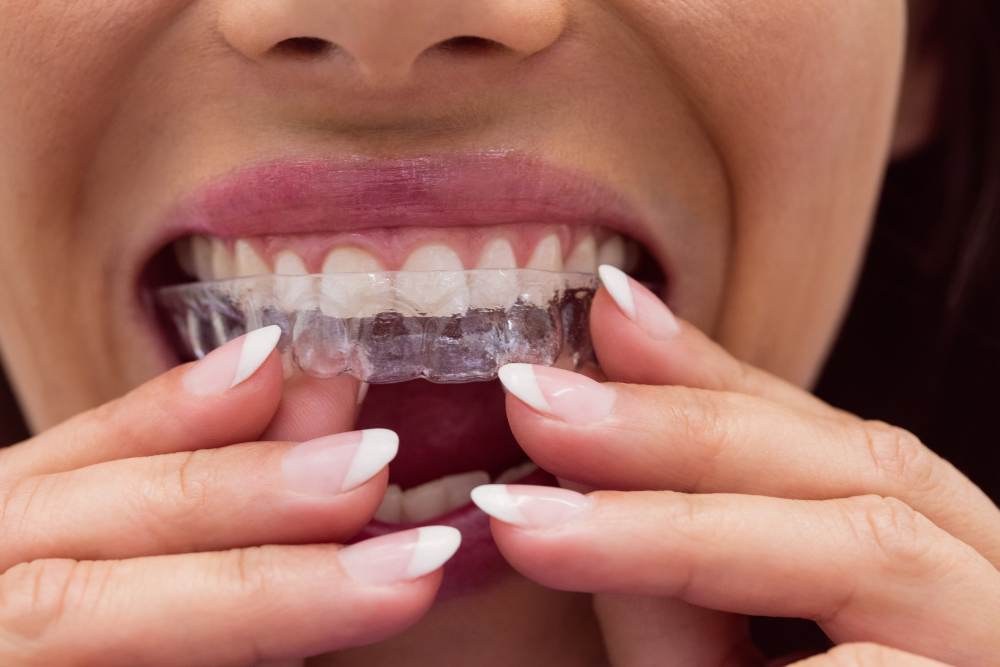
A removable occlusal splint, often worn at night, separates the teeth to reduce grinding pressure and let jaw muscles relax, typically for patients with muscle-based pain or habitual clenching.

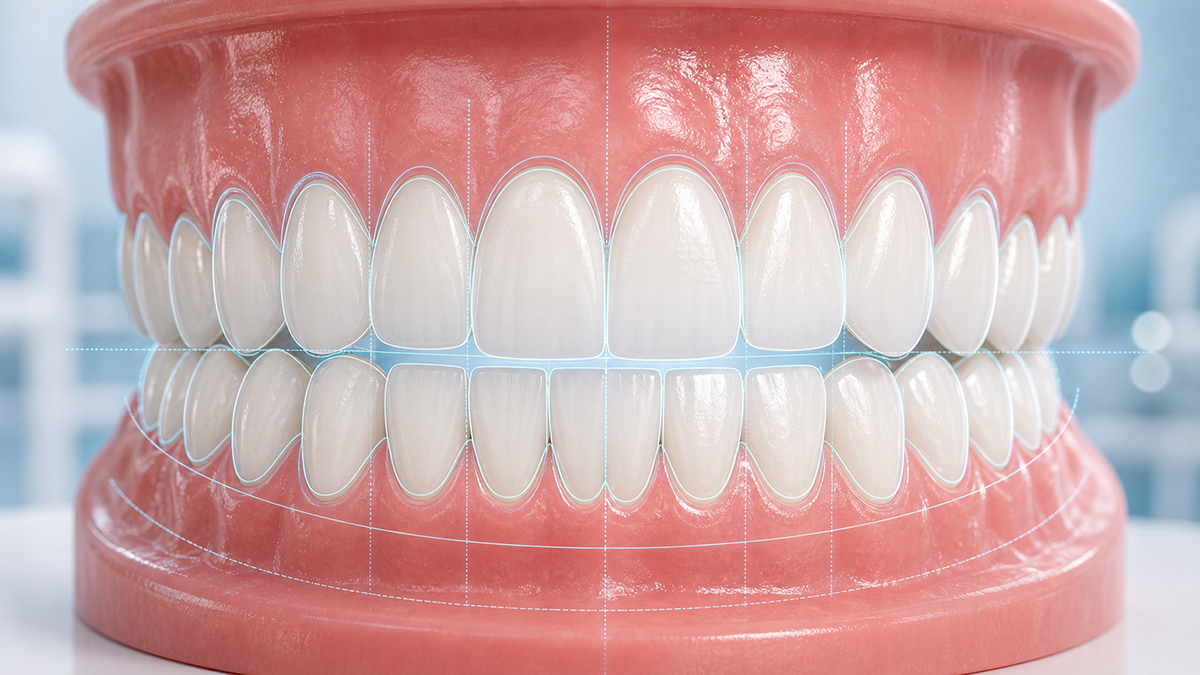
Bite Correction Care

Bite Correction Care


Orthodontic or restorative adjustment of how upper and lower teeth meet, used when uneven bite forces strain the joint and cause recurring TMJ symptoms.

TMJ Treatment?

Who Needs

TMJ Treatment?

An oral and maxillofacial surgeon or orthodontist confirms suitability after examining joint movement, bite, and muscle tenderness. Treatment is considered for patients with the following concerns.

Jaw Pain or Tenderness

Persistent aching around the ear, temple, or jaw that worsens with chewing often signals TMJ muscle strain or joint inflammation requiring assessment.

Jaw Pain or Tenderness

Clicking or Popping Jaw

Noisy joint movement with or without pain suggests disc displacement within the TMJ, which may progress to limited opening if not evaluated.

Clicking or Popping Jaw
TMJ Treatment?
Teeth Grinding at Night

Teeth Grinding at Night

Patients who clench or grind, often without knowing, create excessive joint load that splint therapy is designed to reduce and protect against.

Worn or Cracked Teeth

Worn or Cracked Teeth

Flattened enamel, fractures, or fillings that keep failing indicate heavy bite forces that may stem from TMJ-related bruxism or misalignment.

Limited Jaw Opening

Limited Jaw Opening

Difficulty opening wide, or a jaw that locks briefly, points to joint disc or muscle issues that benefit from early intervention and guided exercises.

Limited Jaw Opening

Limited Jaw Opening

Difficulty opening wide, or a jaw that locks briefly, points to joint disc or muscle issues that benefit from early intervention and guided exercises.

Types of

TMJ Treatment at Galaxy Dental Care

The specialist recommends the right variant after assessing joint sounds, bite alignment, muscle tenderness, and whether teeth show wear from grinding. Not every patient is a candidate for every type.

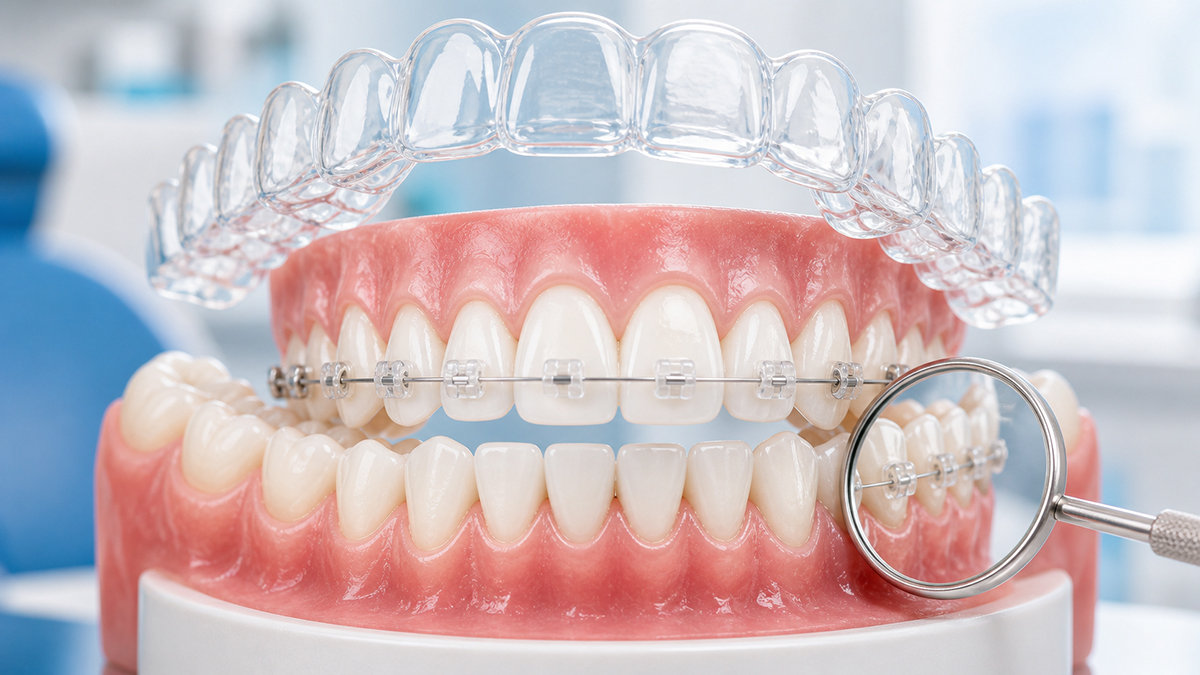
Stabilization Splint

Stabilization Splint

A hard acrylic splint worn over the upper or lower teeth at night to separate the bite and reduce muscle activity and joint pressure.

Anterior Bite Plane

Anterior Bite Plane

A thinner splint that contacts only the front teeth, used short-term to relax jaw muscles more aggressively than a full-coverage splint.

Full Mouth Splint Pair

Full Mouth Splint Pair

Upper and lower splints designed together for patients with significant bite changes, balancing contact across both arches during healing.

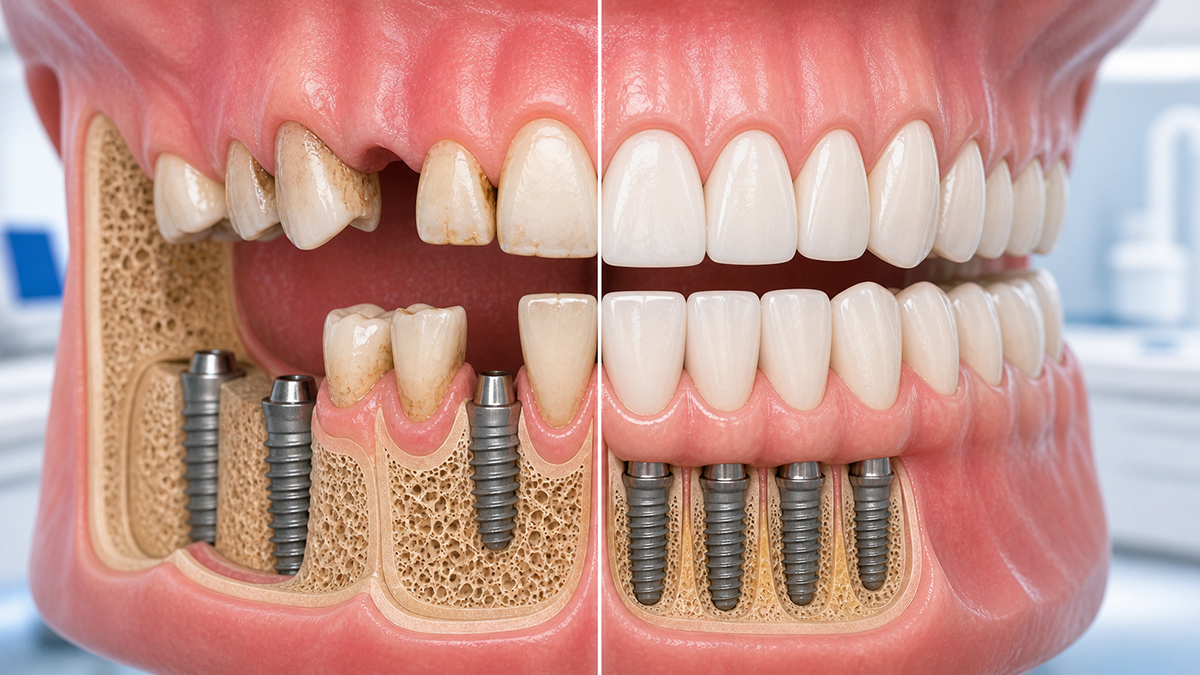
Implant-Supported Bite

Implant-Supported Bite

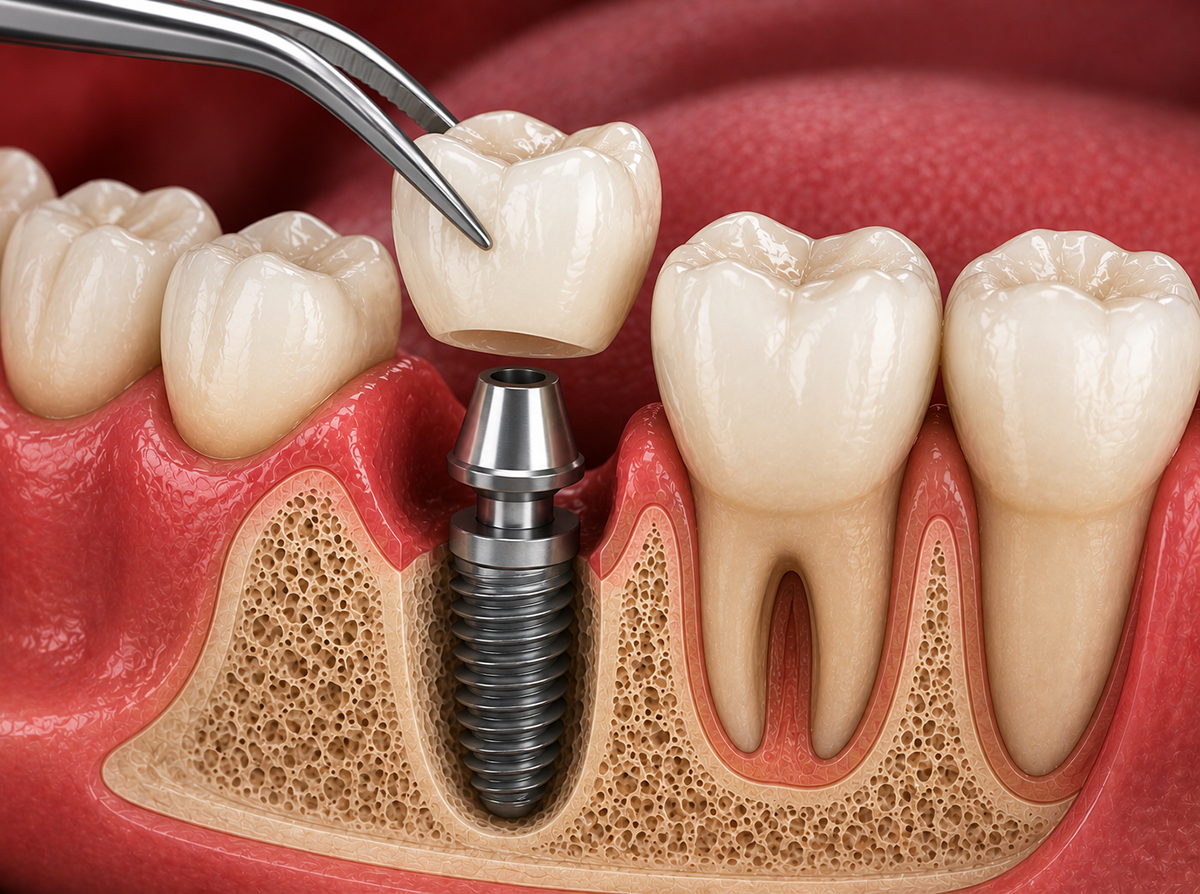
For patients with missing teeth and collapsed bite height, implants restore vertical dimension to reduce joint strain from overclosure.

How Does

TMJ Treatment Work?

Diagnosis and Splint Fitting begins with the oral and maxillofacial surgeon checking jaw opening range, listening for joint sounds, and pressing around the TMJ and chewing muscles to locate tenderness. An OPG X-ray shows tooth and bone condition; CBCT 3D scanning reveals joint structure if needed. Dental impressions are taken with precise material to record how your teeth meet. The splint design is chosen based on whether your pain is mainly muscular, joint-related, or from bite collapse. You review the plan, including splint type, wear schedule, and follow-up timing, before any appliance is made.

Diagnosis and Splint Fitting

Delivery and Review happens when the finished splint is fitted and adjusted so it sits evenly without rocking. The dentist checks that your bite contacts the splint, not your natural teeth, when closed. Early sensations include slight pressure or excess saliva for two to three days. A review visit in one to two weeks allows refinement of the fit as your jaw muscles adapt. Most patients notice reduced morning jaw tension within the first few weeks of consistent night wear. Long-term follow-up tracks symptom change and splint wear.

Delivery and Review
Splint Therapy vs Bite Correction

Which Is Right for You?

Splint Therapy vs Bite Correction


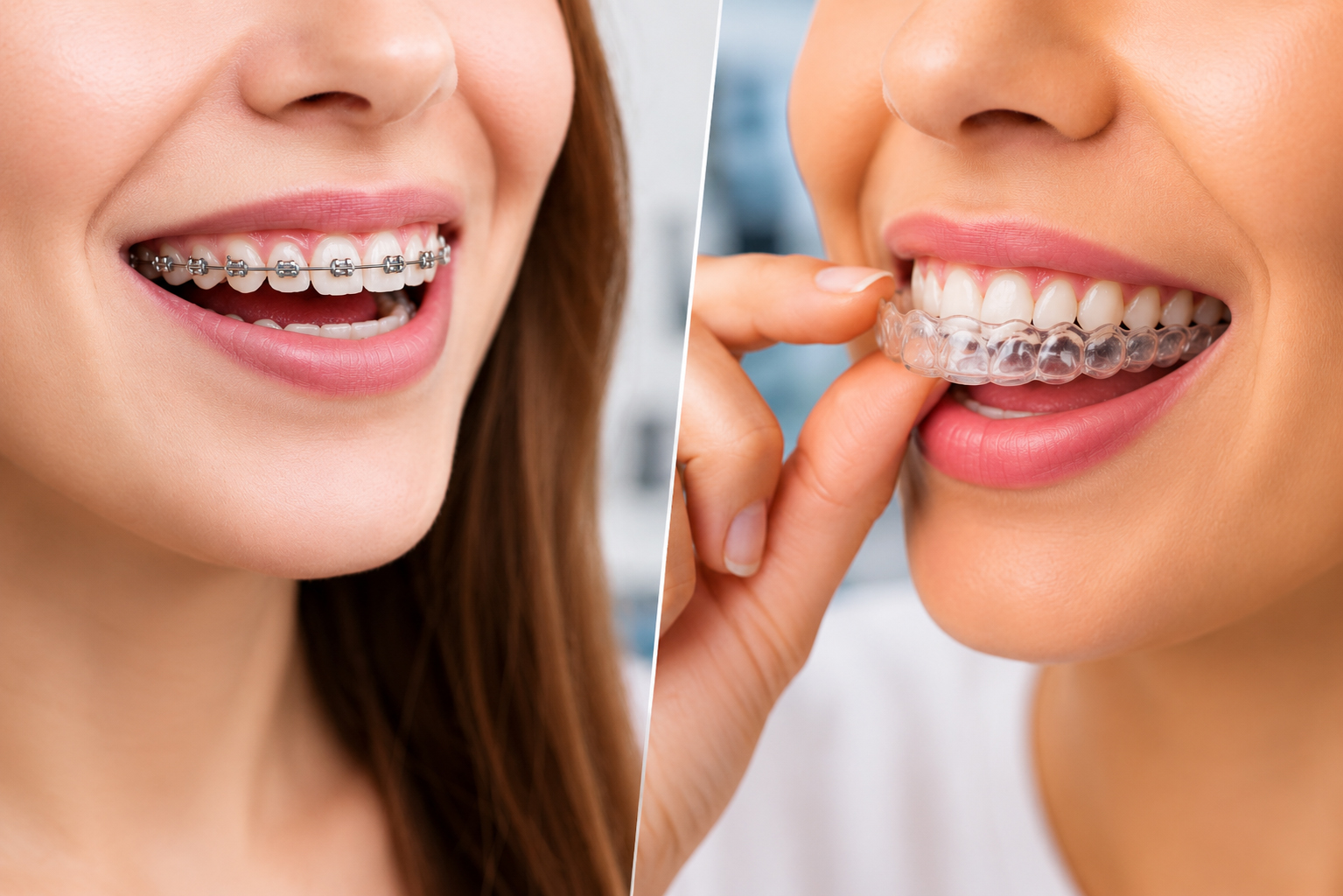
Both approaches reduce TMJ symptoms but differ in invasiveness, time commitment, and whether the teeth themselves need change.

Splint therapy is the starting point for most patients. It is removable, non-invasive, and works within weeks for muscle-based pain and grinding. The limitation is that it manages symptoms rather than permanently altering bite position; some patients need ongoing night wear indefinitely.

Bite correction through orthodontics or restorative dentistry changes how teeth meet permanently. It suits patients whose TMJ pain stems from a clear malocclusion, missing teeth, or severe wear that has collapsed vertical dimension. This route requires months to years of active treatment and higher cost, but addresses the structural cause directly.

The oral and maxillofacial surgeon or orthodontist confirms the right option after clinical examination, OPG or CBCT imaging, and study models if needed.

What Happens at

Your First TMJ Consultation?

If you searched "TMJ Treatment near me" in Kondapur, this visit determines whether splint therapy, bite correction, or referral for physiotherapy fits your case, and what the full process involves.

Examination 1

Examination


The surgeon measures how wide you can open, palpates the joint and muscles, and notes any clicking or deviation.

History 2

History


Your medical history, stress levels, sleep quality, and any prior jaw injury are reviewed to identify contributing factors.

Records 3

Records


OPG X-ray and CBCT 3D scans are taken in-house to assess bone, joint space, and tooth condition.

Planning 4

Planning


The splint design or treatment sequence is explained, and you review the expected timeline and follow-up schedule.

Instructions 5

Instructions


Wear instructions, cleaning steps, and warning signs to report are provided before you leave with your appliance or next appointment.

Why Galaxy Dental Care For

TMJ Treatment in Kondapur?

Oral and maxillofacial surgeons and orthodontists in Kondapur see TMJ patients from across the city’s IT and pharmaceutical corridors.

• Splint fabrication and bite analysis follow a structured protocol developed across 15,000+ implant cases and 2,000+ aligner treatments.

• Four distinct splint and bite-correction options are available, from night guards to implant-supported bite rehabilitation.

• Every patient receives a written treatment plan and sees their scan results before any appliance is made or fitted.

• Follow-up visits fine-tune fit and track symptom relief; the 24/7 emergency line handles post-delivery concerns.

• Open Monday to Sunday, 9 AM to 9 PM, for consultations, splint adjustments, and urgent jaw pain assessments.

TMJ Treatment in Kondapur?

Aftercare And

Recovery for TMJ Treatment

After splint delivery, expect mild pressure and increased saliva for 48 to 72 hours as your jaw finds its new resting position. Muscle soreness typically fades within one to two weeks of consistent wear. Chewing without the splint may feel different initially. Contact the clinic if pain increases or the splint cracks.

1

Wear the splint every night for the first two weeks without skipping, even if symptoms seem mild.

2

Rinse the splint with cool water each morning and brush it gently with a soft toothbrush.

3

Avoid chewing gum, hard nuts, and wide yawning during the initial adaptation period.

4

Book your review within 10 to 14 days, or call +91 86866 76781 if the fit feels off.

Icon

Our Dental Services

All Dental Treatments
Under One Roof

Testimonials

Book Your Dental Care
Appointment Now!

Mon-Sun 9:00am - 9:00pm
Call Us On +91 86866-76781

Visit Us
Choose The Nearest Dental Clinic Branch, Pick A Service And Time Slot.

icon

Frequently Asked Questions
Get clear answers on appointments, treatment steps, scans, safety, and follow ups.

Most patients adapt within 3 to 7 nights. Saliva flow increases and speech may feel slightly off for the first 48 hours. Consistent nightly wear lets the jaw muscles relax into the new position faster than intermittent use.

The splint reduces muscle load and grinding forces, which often decreases noise and discomfort. Structural disc issues may still click but become less painful. Outcomes depend on individual case and oral health status.

Rinse with cool water after removal, brush gently with a soft brush and mild soap, then store in a ventilated case away from heat. Hot water warps the acrylic. Bring it to each review so the dentist checks for wear.

A well-maintained hard acrylic splint typically lasts 2 to 5 years. Heavy grinders may wear through faster. The dentist inspects fit and thickness at each follow-up and advises when a new impression is needed.

The cost depends on whether you need a simple stabilization splint, a paired upper-lower set, orthodontic bite correction, or implant-supported rehabilitation. Diagnostic scans, splint material, and follow-up visits also affect the total. In India, TMJ treatment typically ranges from ₹2,40,000 to ₹6,30,000 for orthodontic approaches, and splint therapy costs less. Galaxy Dental Care provides a written quote after examination. Bad Breath Treatment in Kondapur is priced separately.

Book Your Appointment

for a Healthier, Brighter Smile


Appointment

Request a
Call Back

Call Back

WhatsApp