
Clock

Monday – Sunday

9AM – 9PM

Graftless Solution | Fixed Teeth | Expert Planned

Pterygoid Implants Hyderabad


Missing upper back teeth with severe bone loss used to mean sinus surgery or bone grafting before implants could even be considered. Pterygoid Implants in Hyderabad at Galaxy Dental Care offer a different path. These specialised implants anchor into the pterygoid bone at the back of the upper jaw, bypassing areas where bone has thinned or shrunk. The result is a fixed tooth replacement without the months of healing that grafting demands. Galaxy Dental Care runs 9 branches across Hyderabad with in-house OPG and CBCT scanning, and every case is assessed by an implantologist and oral and maxillofacial surgeon before any plan is made. dental implants cost

8200

Patients Recovered

10

Average Waiting Time

5

Satisfaction Rating

Pterygoid Implants Hyderabad
Surgeon-Planned Pterygoid Care

Surgeon-Planned Pterygoid Care

Assessed and delivered across all 9 Hyderabad branches.

Call Back
Need a Dental Service?

+91 86866 76781

Clock
Visiting Hours

Mon - Sun 9 AM to 9 PM

What Is

Pterygoid Implants?

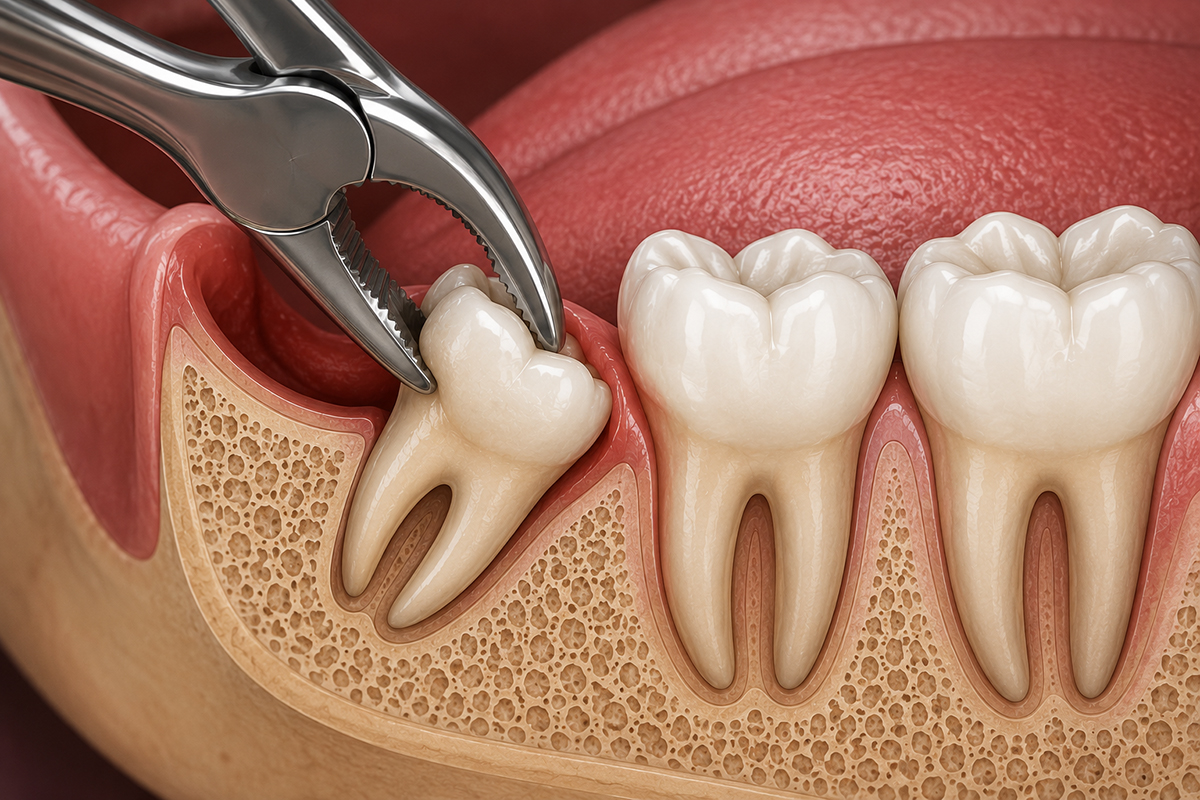
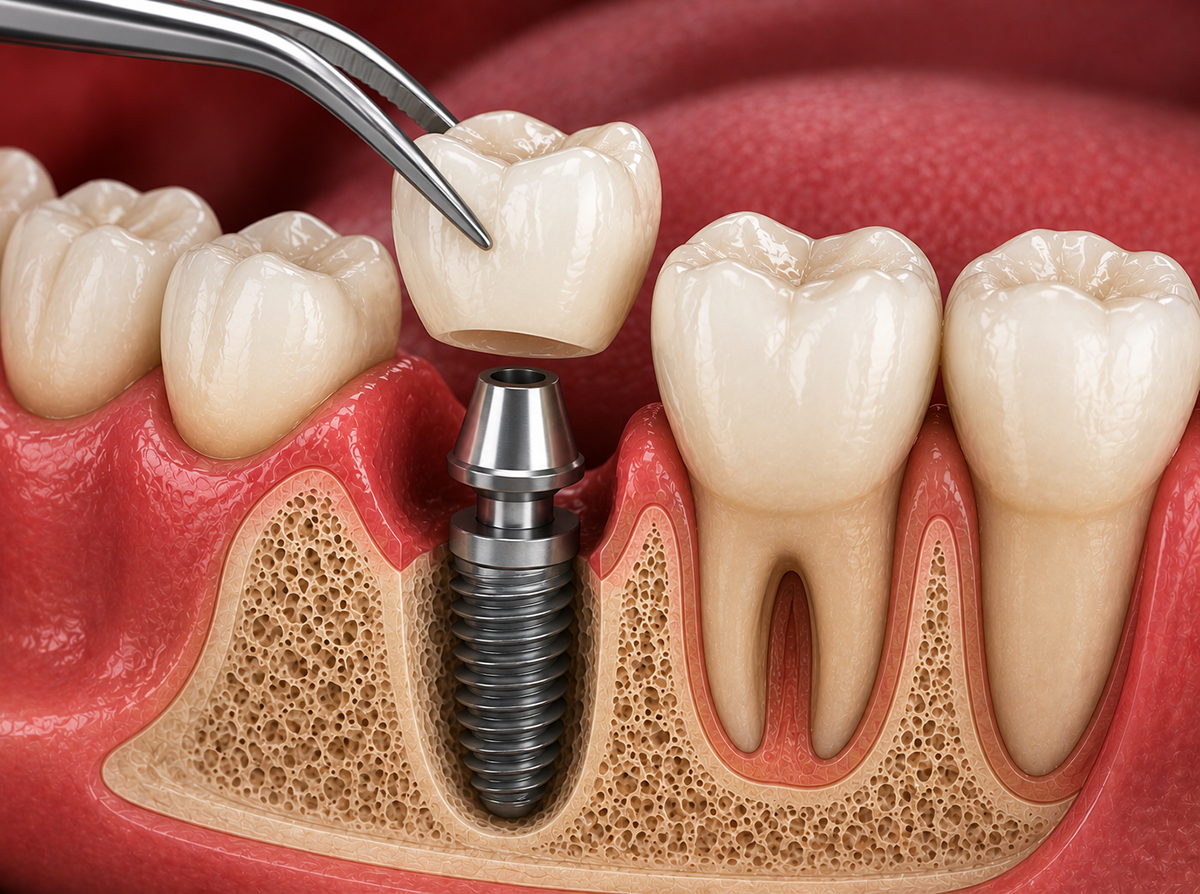
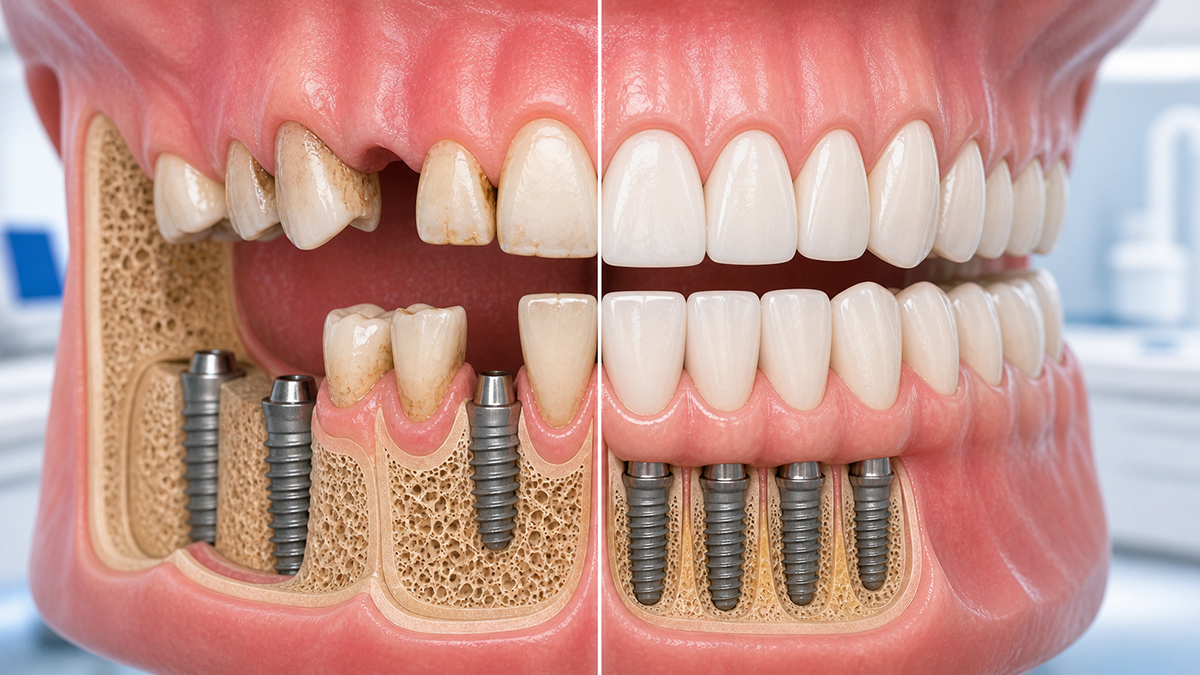
A pterygoid implant is a long dental implant placed in the pterygoid region of the sphenoid bone at the back of the upper jaw. It is used when the upper jawbone behind the premolars has shrunk too much for standard implants. The implant angles through the maxillary tuberosity and engages dense bone near the pterygoid plates, giving immediate stability without bone grafting or sinus lifting. This means patients who were told they lack enough bone for conventional upper implants can still receive fixed teeth. It restores chewing function and a natural bite in the posterior upper jaw where bone loss is often most severe. All On 6 Dental Implants in Hyderabad

Standard Pterygoid

Standard Pterygoid


Placed after full assessment of bone density and nerve position using CBCT, this type suits patients with posterior maxillary atrophy who need single or multiple fixed teeth.

Immediate Load Pterygoid

Immediate Load Pterygoid


Used when primary stability is high enough at placement, allowing a temporary fixed tooth to be fitted the same day, reducing overall treatment time for suitable cases.

Pterygoid Implants?

Who Needs

Pterygoid Implants?

An implantologist and oral and maxillofacial surgeon confirm suitability after reviewing CBCT scans, medical history, and bite records. Patients typically consider this treatment when standard upper implants are not possible due to bone deficiency.

Severe Upper Jaw Bone Loss

Years of missing teeth cause the posterior maxilla to shrink, making standard implants impossible without grafting first.

Severe Upper Jaw Bone Loss

Failed Previous Bone Grafts

Some patients have already tried sinus lifts or grafts that did not integrate, leaving pterygoid placement as the remaining fixed option.

Failed Previous Bone Grafts
Pterygoid Implants?
Want to Avoid Grafting

Want to Avoid Grafting

Patients who prefer a single surgical procedure without the extra healing months that bone augmentation requires.

Old Dentures No Longer Fit

Old Dentures No Longer Fit

Removable dentures that rock or cause sores often signal bone change underneath, and fixed pterygoid support can replace them.

Medical Conditions Affecting Healing

Medical Conditions Affecting Healing

Certain health histories make multiple surgeries risky, so a graftless one-stage approach reduces overall operative burden.

Medical Conditions Affecting Healing

Medical Conditions Affecting Healing

Certain health histories make multiple surgeries risky, so a graftless one-stage approach reduces overall operative burden.

Types of

Pterygoid Implants at Galaxy Dental Care

The specialist recommends the right approach after assessing bone density, sinus position, bite alignment, and medical history. Not every patient is a candidate for every type.

Single Pterygoid

Single Pterygoid

Replaces one missing upper molar or premolar when local bone is too thin for standard placement but pterygoid bone remains adequate.

Multiple Pterygoid

Multiple Pterygoid

Supports a short fixed bridge in the upper back jaw where several adjacent teeth are missing and conventional implants cannot anchor.

Full Arch Pterygoid

Full Arch Pterygoid

Combines pterygoid implants with anterior or zygomatic support to restore an entire upper jaw without removable dentures.

Implant-Supported Bridge

Implant-Supported Bridge

Uses two or more pterygoid implants to carry a fixed prosthesis that does not touch the gum tissue directly, improving long-term hygiene access.

How Does

Pterygoid Implants Treatment Work?

Assessment And Planning begins with a full oral examination and medical history review. The implantologist takes OPG and CBCT scans to measure bone height, density, and the exact position of the maxillary sinus and pterygoid plates. Impressions record your bite and tooth positions. You receive a written treatment plan with the number of implants, provisional and final prosthesis details, and a clear timeline before any procedure is scheduled.

Assessment And Planning

Placement And Follow-Up is performed under local anaesthesia with sedation options discussed beforehand. The surgeon places the implant through the maxillary tuberosity into the pterygoid bone, checking stability before closing. A temporary tooth may be fitted the same day if conditions allow. You return for suture removal and healing checks, with the permanent crown fitted after osseointegration is confirmed, typically several months later.

Placement And Follow-Up
Pterygoid vs Zygomatic Implants

Which Is Right for You?

Pterygoid vs Zygomatic Implants


Both pterygoid and zygomatic implants solve severe upper jaw bone loss without grafting, but they differ in placement site, stability pattern, and which part of the jaw they best serve.

Pterygoid implants anchor in the pterygoid bone at the very back of the upper jaw, making them ideal for replacing posterior molars where sinus expansion has destroyed bone. They offer strong mechanical resistance to chewing forces in the back of the mouth. The limitation is that they require precise CBCT-guided placement because of nearby nerves and blood vessels, and not every patient has adequate pterygoid bone density.

Zygomatic implants, by contrast, anchor in the cheekbone (zygoma) and are designed for the anterior and mid-upper jaw when even the front bone is too thin. They provide excellent support for full-arch restorations but are rarely the first choice for isolated posterior gaps. They require a surgeon experienced in zygomatic anatomy and typically involve a longer initial procedure.

The implantologist and oral surgeon at Galaxy Dental Care decide between these options, or combine them, after 3D CBCT analysis and clinical examination. All On 4 Dental Implants in Hyderabad may also be discussed as part of the full-arch planning.

What Happens at

Your First Pterygoid Implants Consultation?

If you searched "Pterygoid Implants near me" in Hyderabad, this first visit determines whether your bone pattern suits this approach, which variant is recommended, and what the full process from scan to final tooth involves.

Examination 1

Examination


The dentist checks remaining teeth, gum health, and jaw opening to ensure safe surgical access.

History Review 2

History Review


Medical conditions, medications, and previous surgeries are checked to plan anaesthesia and healing.

CBCT Scanning 3

CBCT Scanning


A 3D scan measures pterygoid bone thickness, sinus position, and nerve pathways for precise planning.

Plan Confirmation 4

Plan Confirmation


You review the implant positions, provisional options, and costs with the surgeon before committing.

Aftercare Briefing 5

Aftercare Briefing


Instructions on diet, hygiene, and emergency contact are explained, and follow-up dates are set.

Why Galaxy Dental Care For

Pterygoid Implants in Hyderabad?

Our implantologists and oral surgeons manage pterygoid cases for patients across Hyderabad.

– Pterygoid placement planned on in-house CBCT with nerve mapping and bone density analysis.
– Single, multiple, and full-arch options including combinations with zygomatic or anterior implants.
– Written treatment plan shared before any procedure; provisional teeth fitted where clinically suitable.
– Follow-up visits and 24/7 emergency phone line for post-operative concerns and healing checks.
– Open Monday to Sunday, 9 AM to 9 PM, for consultations, scans, and review appointments.

Pterygoid Implants in Hyderabad?

Aftercare And

Recovery for Pterygoid Implants

Expect mild to moderate swelling and soreness at the back of the upper jaw for several days after pterygoid implant placement. Most patients manage this with prescribed medication. A soft diet protects the surgical site while initial healing progresses over two to four weeks. The implant bonds with bone over three to six months before the final crown is fitted.

1

Apply cold packs intermittently for the first 24 hours to reduce swelling.

2

Rinse gently with prescribed antiseptic mouthwash starting the day after surgery.

3

Avoid hard, crunchy, or very hot foods until the surgeon clears normal chewing.

4

Attend the scheduled review and call the 24/7 line for unexpected pain or bleeding.

Icon

Our Dental Services

All Dental Treatments
Under One Roof

Testimonials

Book Your Dental Care
Appointment Now!

Mon-Sun 9:00am - 9:00pm
Call Us On +91 86866-76781

Visit Us
Choose The Nearest Dental Clinic Branch, Pick A Service And Time Slot.

icon

Frequently Asked Questions
Get clear answers on appointments, treatment steps, scans, safety, and follow ups.

Most patients adapt within two to four weeks. The back of the upper jaw feels different initially, but speech and chewing normalize as the soft tissue settles around the restoration.

Yes, when placed in adequate pterygoid bone they achieve high primary stability. They are designed to withstand posterior chewing forces once fully integrated, though your surgeon will confirm this with a stability test before fitting the final crown.

Brush twice daily with a soft brush, floss or use interdental brushes around the implant, and attend professional cleanings every six months. Good hygiene prevents peri-implant inflammation.

With proper care, the implant fixture itself can last many years, often over 15 to 20 years. The visible crown or bridge may need replacement due to wear after 10 to 15 years, depending on bite forces and material choice.

The cost depends on the number of implants, the prosthesis type, whether immediate loading is possible, and any additional procedures needed. In India, dental implants typically range from ₹20,000 to ₹95,000 per implant, with full-arch solutions higher. Galaxy Dental Care provides a written quote after CBCT assessment. Zygomatic Implants in Hyderabad may be quoted alongside if combined.

Book Your Appointment

for a Healthier, Brighter Smile


Appointment

Request a
Call Back

Call Back

WhatsApp