Call Back

+91 86866 76781

24/7 Emergency Phone
Clock

Monday – Sunday

9AM – 9PM

Tooth Protection | Natural Shape | Strong Biting

Dental Crowns


Sensitive, cracked, or heavily filled teeth can make every meal stressful. Dental crowns cover and protect damaged teeth while restoring natural shape and function. At Galaxy Dental Care Manikonda, crowns are planned carefully using your bite and smile line. Our 9 Hyderabad branches share common planning protocols so results stay consistent. Call +91 86866 76781 to book a crown assessment with a restorative dentist or prosthodontist.

8200

Patients Recovered

10

Average Waiting Time

5

Satisfaction Rating

Dental Crowns
Prosthodontist-Led Crown Care

Prosthodontist-Led Crown Care

Planned and delivered by experienced dentists across all Hyderabad branches.

Call Back
Need a Dental Service?

+91 86866 76781

Clock
Visiting Hours

Mon - Sun 9 AM to 9 PM

What Are

Dental Crowns?

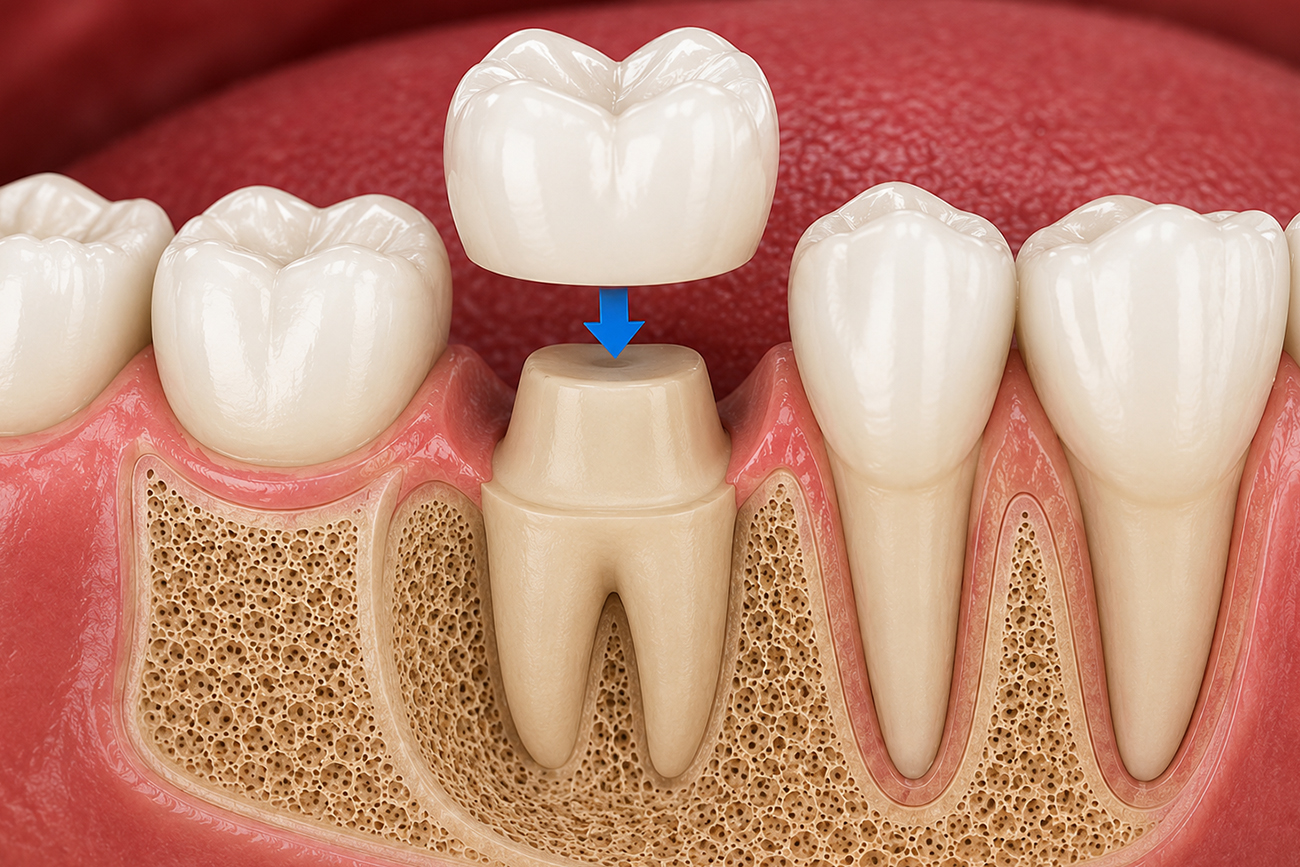
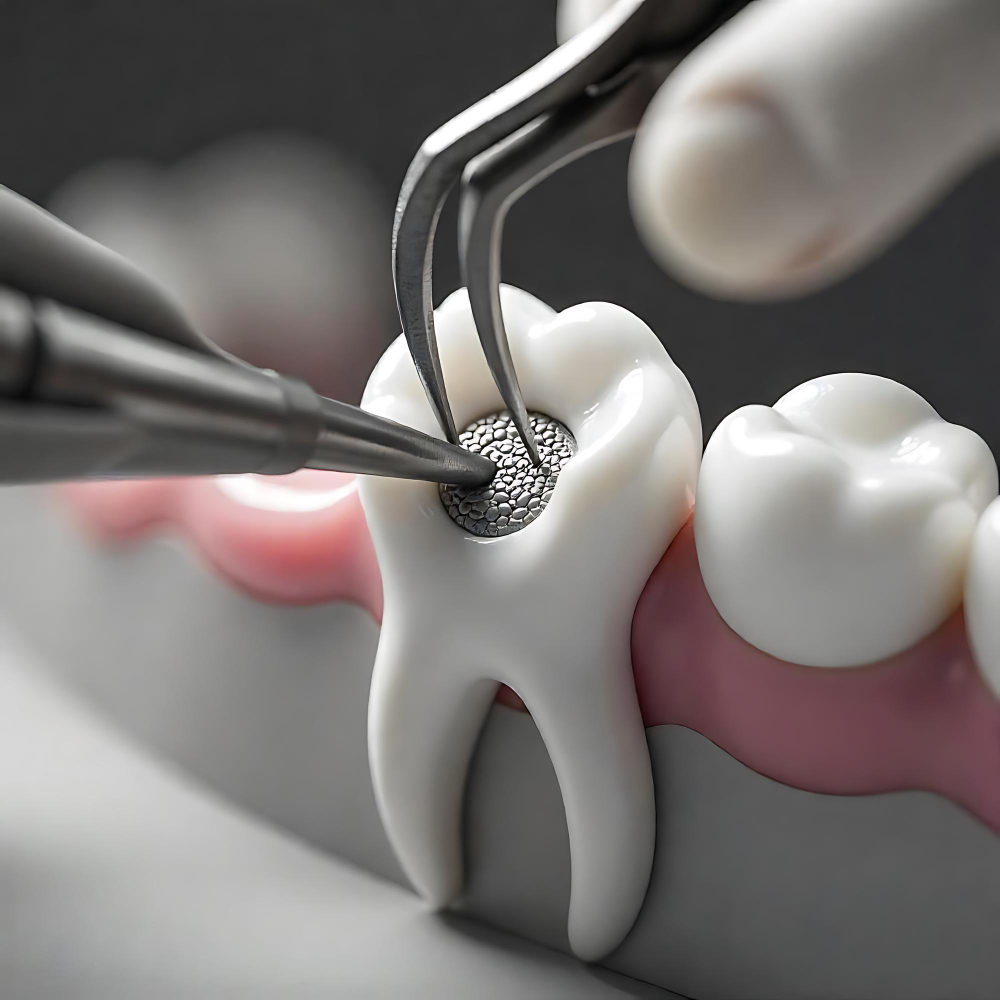
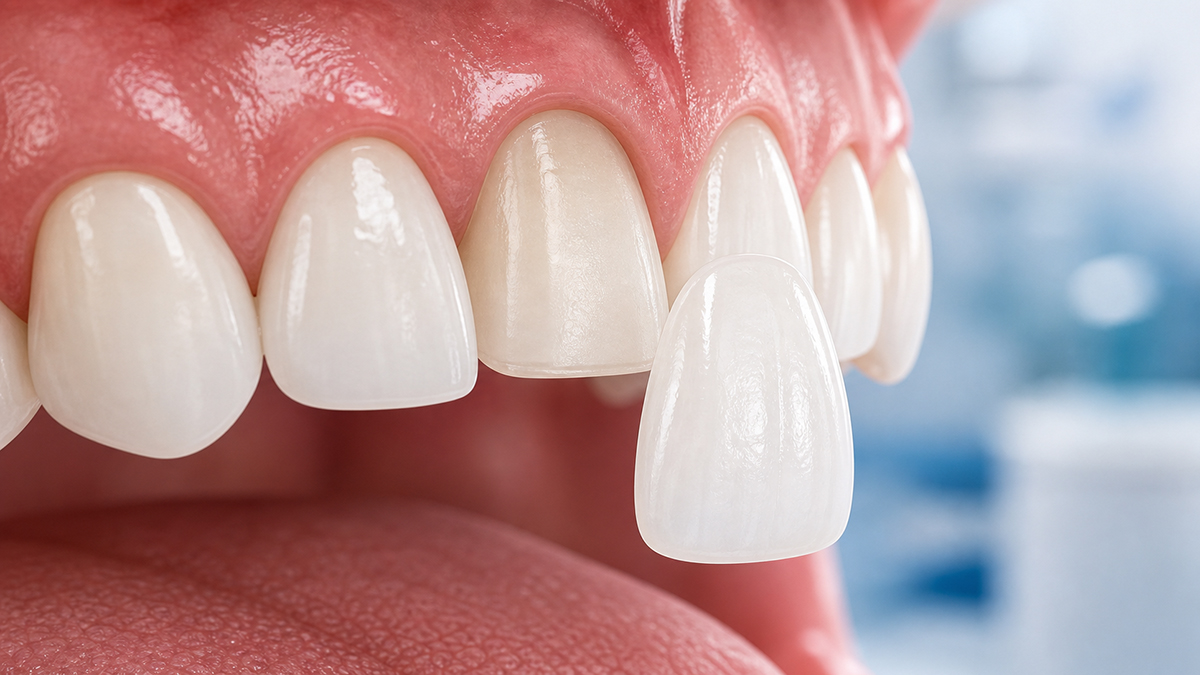
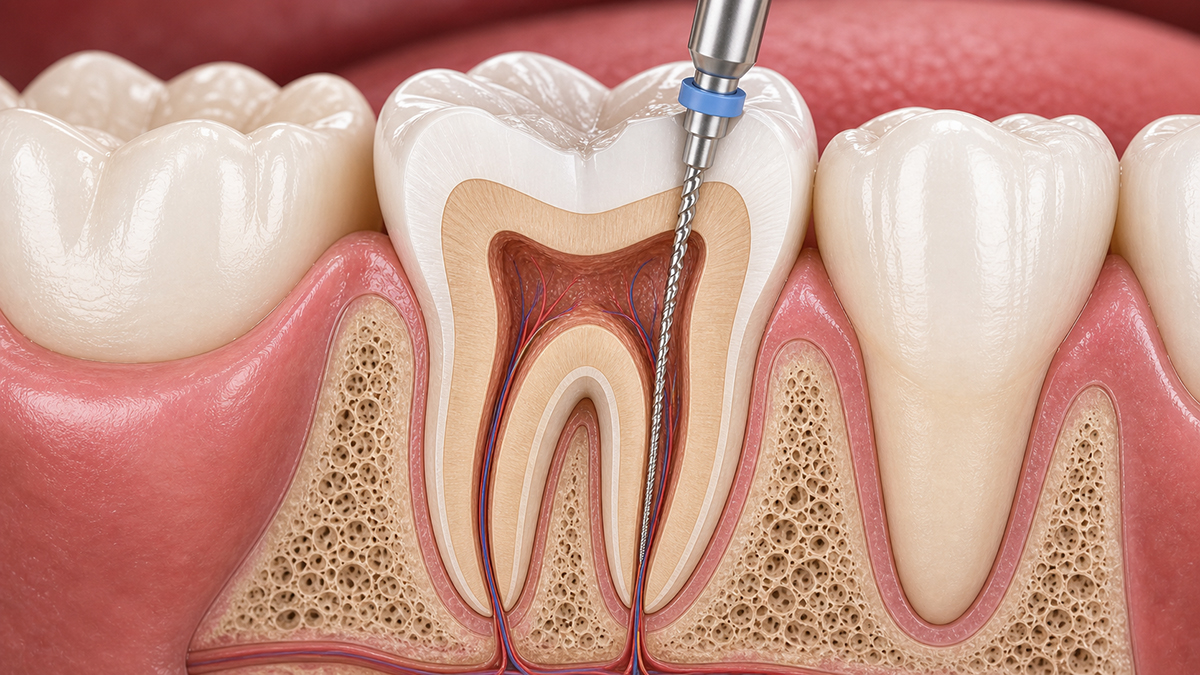
Dental crowns are tooth-shaped caps that cover and strengthen damaged or heavily restored teeth. The dentist reshapes the tooth, then cements a custom crown over it, protecting the remaining structure. Crowns usually do not require surgery, only conservative tooth preparation under local anaesthesia. They restore chewing strength, protect root canal treated teeth, and improve the colour and shape of worn or misshapen teeth, often replacing large Dental Fillings that are at risk of fracture.

Conventional Dental Crowns

Conventional Dental Crowns


Conventional dental crowns are planned and placed over prepared teeth in two visits, suiting most decayed, fractured, or root canal treated teeth needing long term protection.

Same-Day Temporary Crowns

Same-Day Temporary Crowns


Same-day temporary crowns are short term acrylic caps used while the lab fabricates your final crown, ideal when immediate appearance and comfort are important.

Dental Crowns?

Who Needs

Dental Crowns?

A restorative dentist or prosthodontist confirms if a crown is suitable by assessing remaining tooth structure, bite forces, gum health, and opposing teeth contacts. Patients usually consider crowns for protection, strength, and appearance in such situations.

Badly broken or decayed tooth

A crown is advised when decay or fracture has destroyed much of the tooth, leaving too little sound structure for reliable filling support and chewing forces.

Badly broken or decayed tooth

Large old fillings failing

Crowns are suggested when big metal or tooth-coloured fillings start cracking, leaking, or breaking due to long term chewing stress rather than new decay alone.

Large old fillings failing
Dental Crowns?
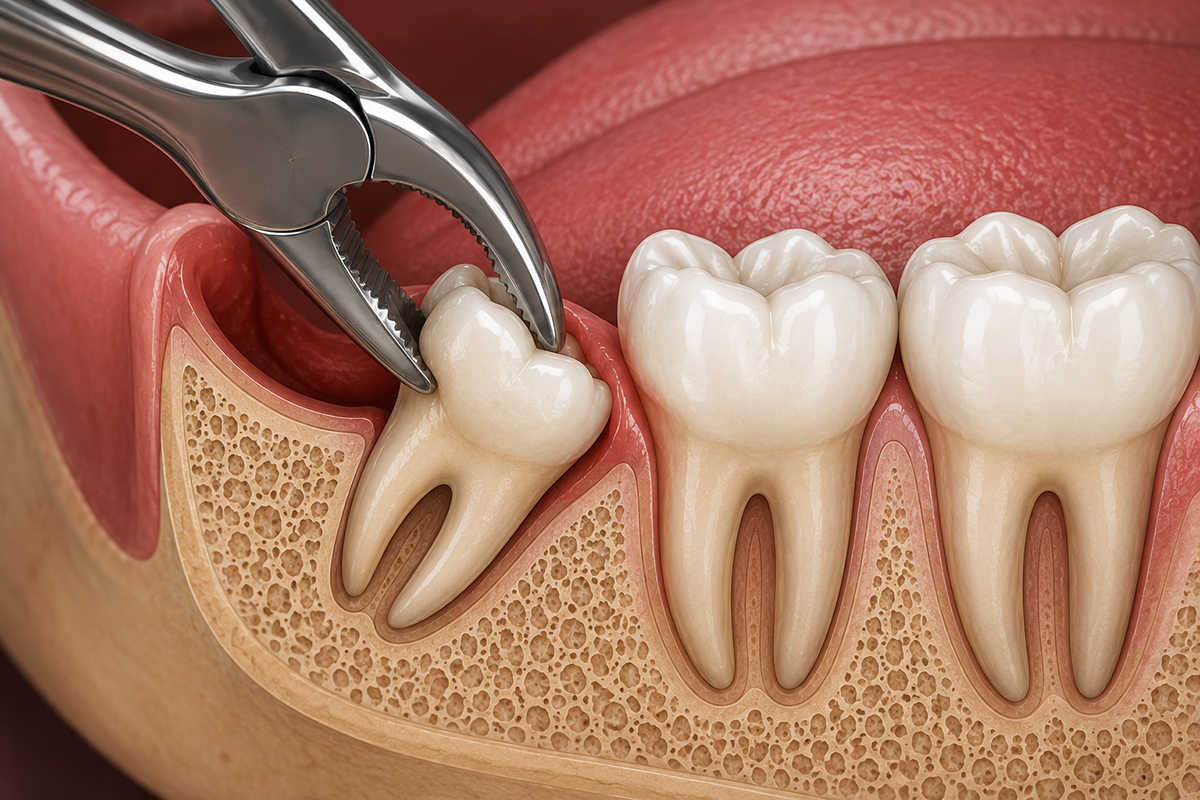
Avoiding tooth removal surgery

Avoiding tooth removal surgery

Some patients choose crowns to save a weak but treatable tooth instead of removing it, preferring a conservative, fixed solution rather than surgical replacement.

Old crown no longer fitting

Old crown no longer fitting

Replacement crowns are needed when an existing crown loosens, margins open, or gums recede over years, creating food traps and risking decay or sensitivity.

Medical conditions affecting options

Medical conditions affecting options

Patients with conditions that complicate extractions or implants may be safer keeping teeth, so crowns become the preferred option to protect compromised but restorable teeth.

Medical conditions affecting options

Medical conditions affecting options

Patients with conditions that complicate extractions or implants may be safer keeping teeth, so crowns become the preferred option to protect compromised but restorable teeth.

Types of

Dental Crowns at Galaxy Dental Care

The restorative dentist recommends the right crown type after assessing tooth position, bite load, appearance needs, gum health, and parafunctional habits like grinding. Not every patient is a candidate for every type.

Metal Ceramic Crown

Metal Ceramic Crown

Metal ceramic crowns have a strong metal substructure with tooth-coloured ceramic over it, often used on back teeth where strength matters more than maximum translucency.

Full Ceramic Crown

Full Ceramic Crown

Full ceramic crowns contain no metal, offering better translucency and shade matching, often chosen for front teeth where natural appearance is the main concern.

Full Mouth Crowns

Full Mouth Crowns

Full mouth crowns restore most or all teeth in one or both arches, allowing careful bite correction and even distribution of chewing forces across the mouth.

Implant Supported Crowns

Implant Supported Crowns

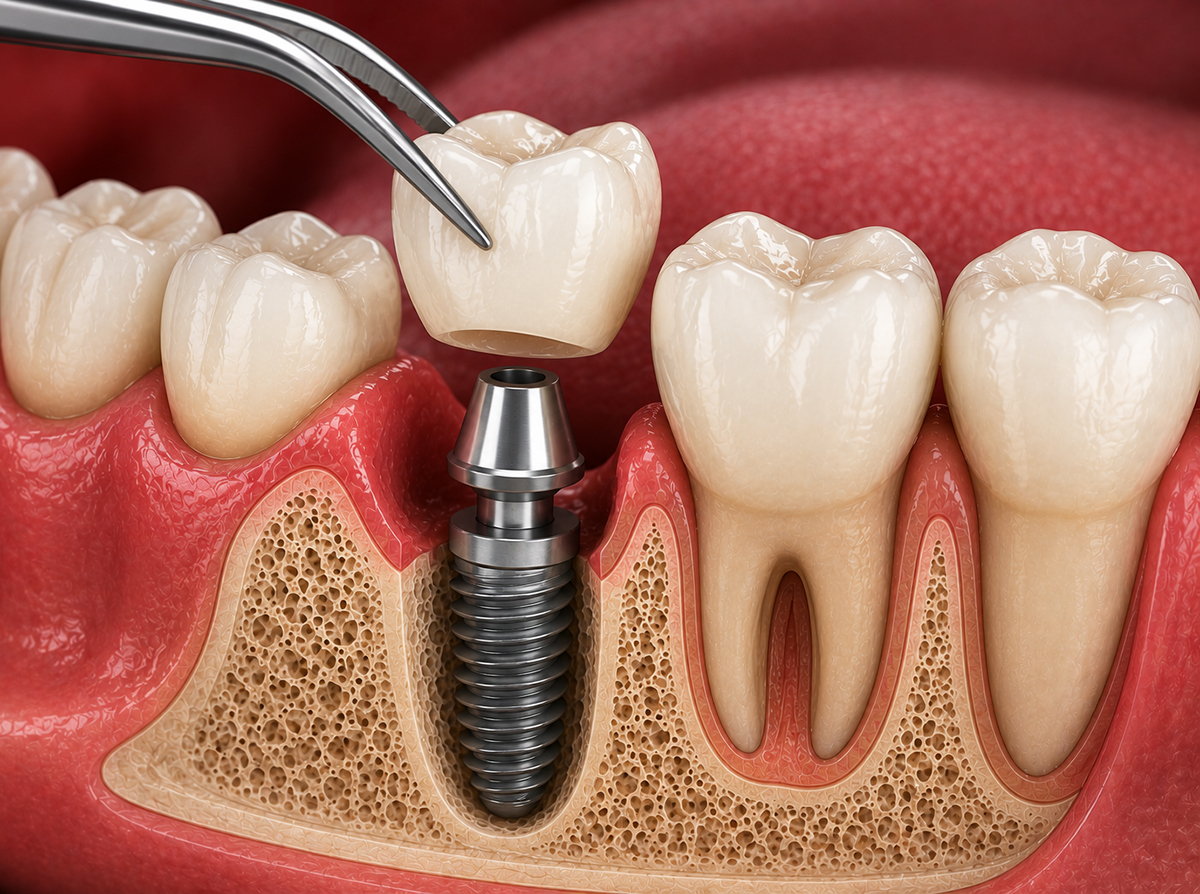
Implant supported crowns replace missing teeth by attaching to Dental Implants, giving fixed support without depending on neighbouring natural teeth for anchorage or preparation.

How Does

Dental Crowns Treatment Work?

Tooth Preparation And Records starts with local anaesthesia, then the dentist reshapes the tooth to create space for the crown and smooth margins. Impressions or digital scans are taken, along with bite records and photographs. You discuss crown material choices and shade selection, and a temporary crown is usually placed so you can eat and smile comfortably while the laboratory fabricates your custom crown.

Tooth Preparation And Records

Crown Fitting Visit involves removing the temporary crown, cleaning the tooth, then trying in the new crown to check contact points, bite, and margins. The dentist evaluates appearance under natural light and makes adjustments if needed. Once you are satisfied with comfort and look, the crown is cemented permanently. A review appointment is scheduled to confirm bite comfort after you have used the crown in daily chewing.

Crown Fitting Visit
Dental Crowns vs Dental Implants

Which Is Right for You?

Dental Crowns vs Dental Implants


Both options solve missing or non functional teeth but differ in procedure, healing time, cost, and how much natural tooth or bone they use.

Dental crowns work on existing teeth that can still be saved after decay or fracture. They keep your natural root, avoid surgery, and are usually quicker. A limitation is that enough healthy tooth must remain, and heavily weakened roots can still fail over time.

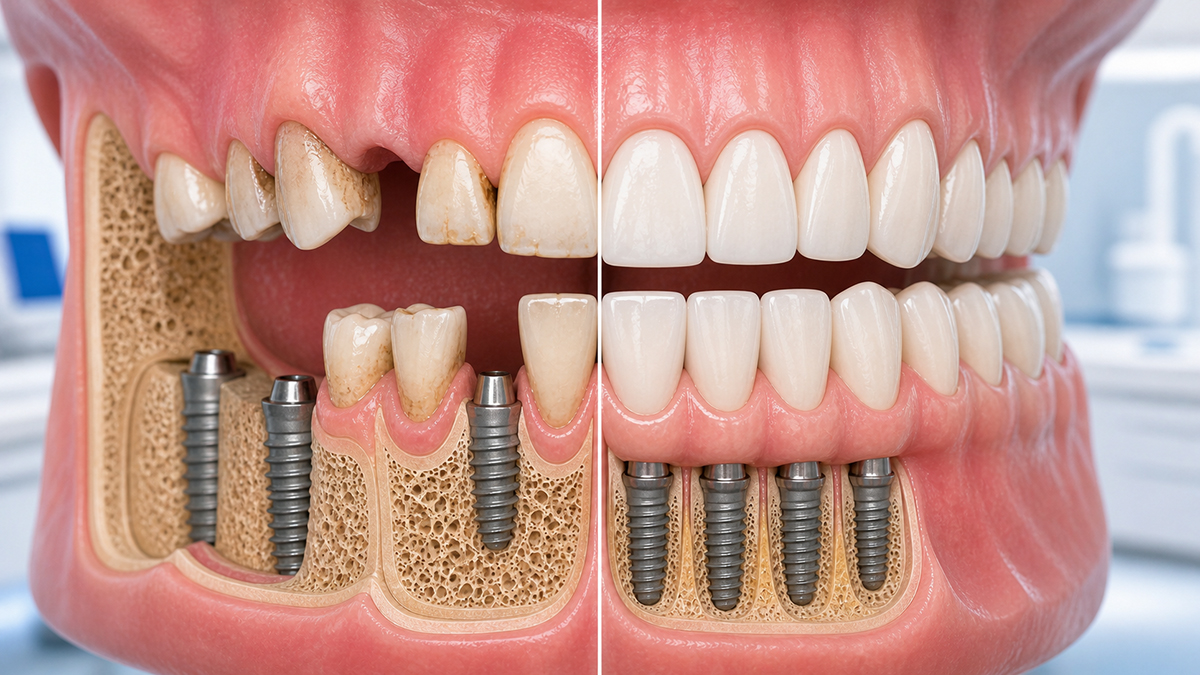
Dental implants replace the entire missing tooth with a titanium root and crown. They do not rely on neighbouring teeth, help maintain bone volume, and can feel very secure. They require surgery, healing time, and generally higher investment, so planning is more involved.

A restorative dentist or implant prosthodontist confirms the right route after clinical checks and, when needed, radiographs or scans, sometimes linking you to Dental Implants in Manikonda instead of crowns.

What Happens at

Your First Dental Crowns Consultation?

Patients who search “Dental Crowns near me” use this visit to confirm suitability, discuss materials, and understand the full sequence from preparation to fitting.

Examination 1

Examination


The dentist checks tooth structure, existing fillings, bite contacts, gum health, and nearby teeth to confirm that a crown is clinically appropriate.

History 2

History


Your medical history, medications, allergies, and habits like grinding or clenching are reviewed to plan safe anaesthesia and suitable crown materials.

Records 3

Records


Impressions, photographs, and sometimes X rays are taken to guide crown design, margin placement, and how it fits within your smile.

Planning 4

Planning


Material options, shade, expected visits, and any alternative treatments are discussed, and you receive a written plan with timelines explained.

Guidance 5

Guidance


The team explains temporary crown care, eating adjustments after preparation, review visit schedule, and when to call if anything feels uncomfortable.

Why Galaxy Dental Care For

Dental Crowns in Manikonda?

A restorative dentist plans and delivers crown treatment for patients in Manikonda.

Highly experienced clinicians manage tooth preparation, impressions, bite adjustments, and crown cementation with clear explanations at each step.

Multiple crown variants, from metal ceramic to full ceramic and implant supported options, are available, as detailed in the Types of Dental Crowns section.

Structured try in and shade review stages allow you to see and feel the crown before permanent cementation.

Post fitting reviews, bite checks, and sensitivity follow ups are scheduled so minor issues are corrected early and comfortably.

Open Monday to Sunday, 9 AM to 9 PM, for crown consultations, preparation visits, emergency checks, and review appointments across 9 Hyderabad branches.

Dental Crowns in Manikonda?

Aftercare And

Recovery for Dental Crowns

After a crown preparation visit, it is common to feel mild tenderness in the tooth and gums once the anaesthesia wears off. Your temporary crown protects the tooth but needs gentle use. Sensitivity to temperature or pressure usually settles as the tooth adapts under the new crown. Call the clinic promptly if your temporary comes off, if the bite feels high, or if pain worsens instead of gradually improving.

1

Treat the numbed side gently for the first day, chewing on the opposite side until full sensation returns.

2

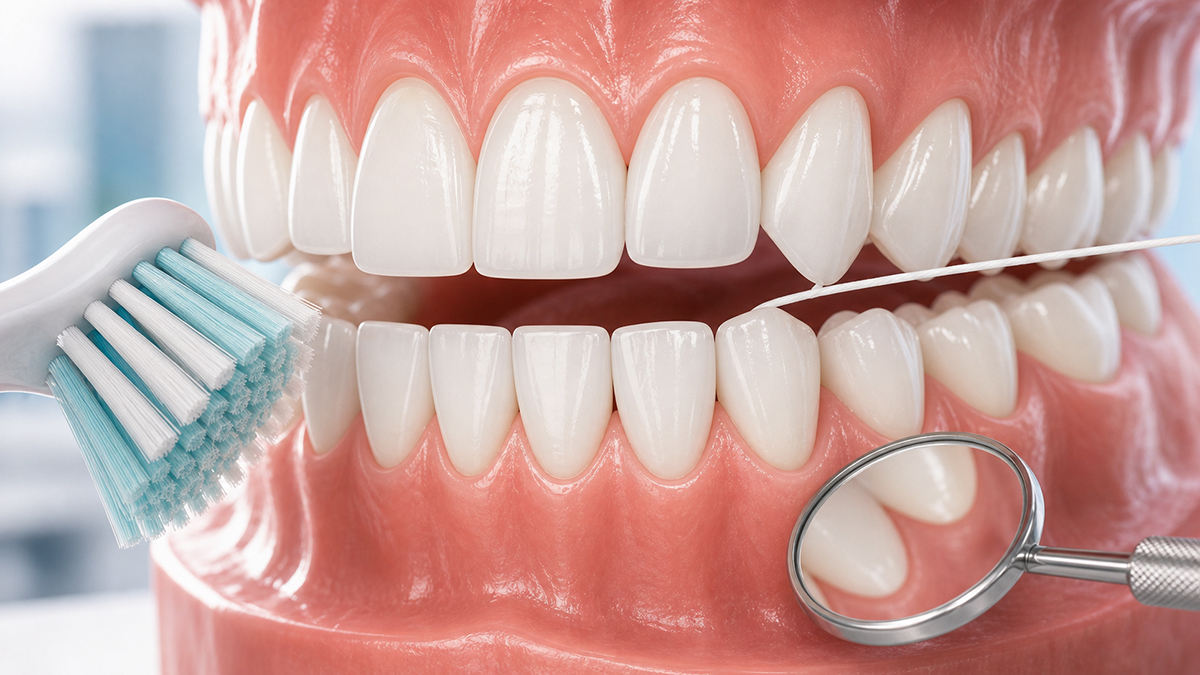
Brush around the crown margins twice daily with a soft brush and use floss carefully without snapping it upwards.

3

Avoid chewing very hard foods like ice, bones, or hard sweets on the crowned tooth, especially in the first few weeks.

4

Attend your scheduled review if the bite feels off, and contact the clinic immediately if the crown loosens or fractures.
Icon

Our Dental Services

All Dental Treatments
Under One Roof

Testimonials

Book Your Dental Care
Appointment Now!

Mon-Sun 9:00am - 9:00pm
Call Us On +91 86866-76781

Visit Us

Choose The Nearest Dental Clinic Branch, Pick A Service And Time Slot.

icon

Frequently Asked Questions

Get clear answers on appointments, treatment steps, scans, safety, and follow ups.
Most patients adapt to a new crown within a few days, while your tongue and bite learn the new contours and height during normal chewing.
A well fitted crown should feel stable and secure, with contacts carefully adjusted so it shares chewing forces without rocking, catching food, or feeling high.

Clean a crowned tooth like any other, brushing twice daily and flossing gently at the sides, which helps protect the margins from plaque and decay.

Dental crowns can last many years when supported by healthy gums, careful biting habits, and regular dental reviews, though no crown is considered permanent forever.

The cost depends on crown material, tooth position, laboratory type, any additional procedures like root canal or buildup, and the number of appointments needed.

Book Your Appointment

for a Healthier, Brighter Smile


Appointment

Request a
Call Back

Call Back

WhatsApp