

Laser Dentistry
Introduction
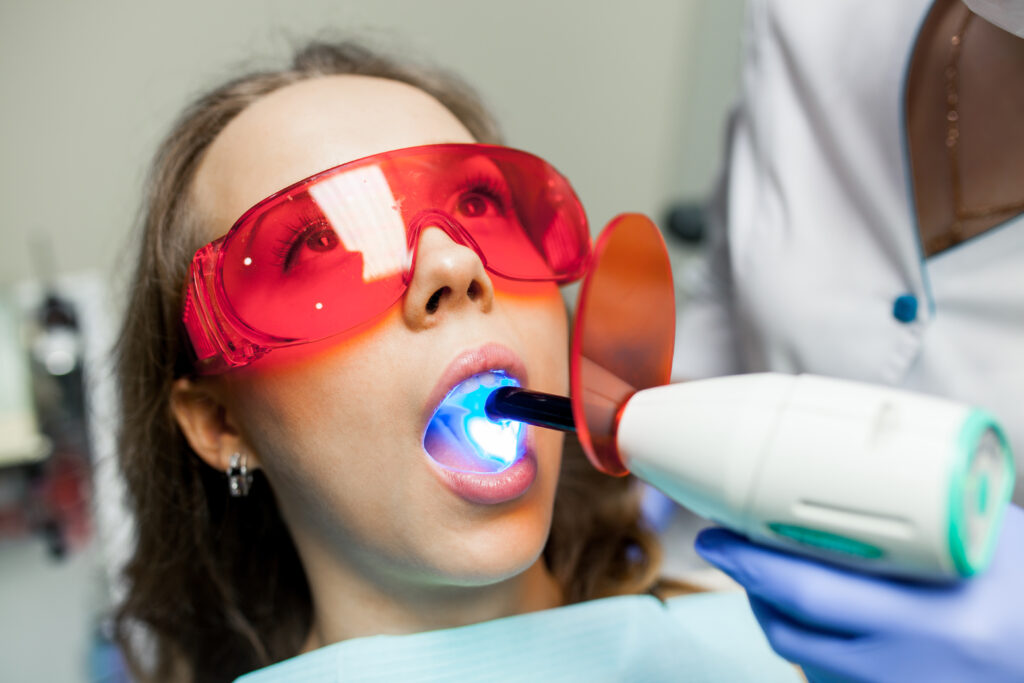
Laser dentistry is a modern approach that uses laser technology to perform a wide range of dental treatments. It offers a precise, less invasive alternative to traditional dental tools. Since its introduction in the 1990s, laser dentistry has become popular for helping reduce discomfort, minimise bleeding, and support faster recovery.
Laser dentistry can be used for both gum treatments and certain tooth procedures. Many patients choose it because it is gentle, precise, and often comes with less vibration and noise compared to traditional tools. By using focused light energy, dental lasers can target specific areas without affecting much of the surrounding tissue. That can make procedures like cavity removal, gum reshaping, and teeth whitening feel more comfortable and efficient. If you are exploring laser dentistry in Hyderabad, this guide will help you understand how it works, where it helps most, and what to expect.
Open Hours
- Monday – Sunday:9.00am – 21.00pm
How Laser Dentistry Works
Lasers emit focused light energy that can remove or shape soft tissue, enamel, or other materials with minimal impact on surrounding areas. Different types of lasers are used for soft and hard tissues:
- Soft Tissue Lasers: Often used for procedures involving the gums, like reshaping, gum contouring, or removing excess tissue.
- Hard Tissue Lasers: Used on teeth and bones for procedures like cavity preparation, filling support, or treating tooth sensitivity.
Common Procedures Using Laser Dentistry
- Cavity Detection and Removal: Lasers can detect early signs of tooth decay and remove decayed tissue with precision.
- Gum Disease Treatment: Lasers can remove bacteria and diseased tissue around the gums, helping to treat periodontal disease.
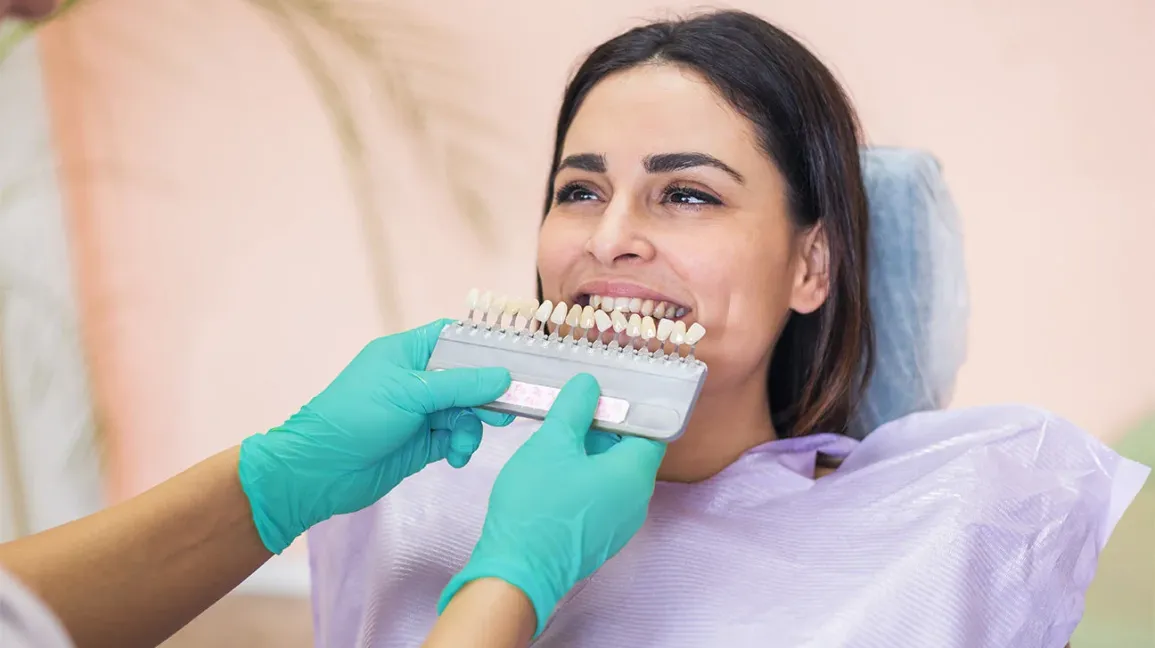
- Teeth Whitening: Laser energy activates a bleaching agent applied to teeth, speeding up the whitening process.
- Biopsy or Lesion Removal: Lasers can remove small tissue samples for testing or remove oral lesions for comfort.
- Reducing Tooth Sensitivity: Lasers seal tubules on the roots of teeth, helping reduce sensitivity to hot and cold.

Benefits of Laser Dentistry
- Minimal Discomfort: Laser treatments are often more comfortable, which can reduce the need for anesthesia in some cases.
- Reduced Bleeding and Swelling: Lasers can coagulate blood vessels, which may help reduce bleeding, swelling, and discomfort.
- Lower Risk of Infection: The high energy light can help sterilize the treatment area, which lowers the chance of bacterial infection.
- Faster Recovery Times: Many procedures are quick, and patients often experience faster healing.

Laser vs Traditional Dental Tools
Laser dentistry and traditional tools both have a role in dental care. The right choice depends on your specific condition, how advanced the problem is, and what type of restoration is needed.
Laser dentistry may be preferred when:
- The treatment involves soft tissue, such as gum reshaping or gum infection control.
- A minimally invasive approach is possible for early decay or sensitivity.
- You want less vibration and noise during treatment.
Traditional tools may still be needed when:
- The cavity is large or the tooth structure needs extensive shaping.
- There are complex restorations involved, especially when certain existing fillings are present.
- A procedure requires access or preparation that lasers cannot safely provide.
The best approach is the one that keeps treatment safe, effective, and predictable. A consultation helps confirm what is clinically suitable.
Who Can Consider Laser Dentistry
Hyderabad laser dentistry can be a good fit if you want a more comfortable experience, or if you feel anxious about drills and needles. It is commonly recommended for gum-related procedures, early cavity work, sensitivity management, and certain cosmetic treatments like whitening.
That said, not every case can be treated with lasers. Large cavities, complex restorations, or teeth with specific types of existing fillings may still need traditional tools. A consultation is the best way to confirm what is suitable.
What to Expect in Your First Visit
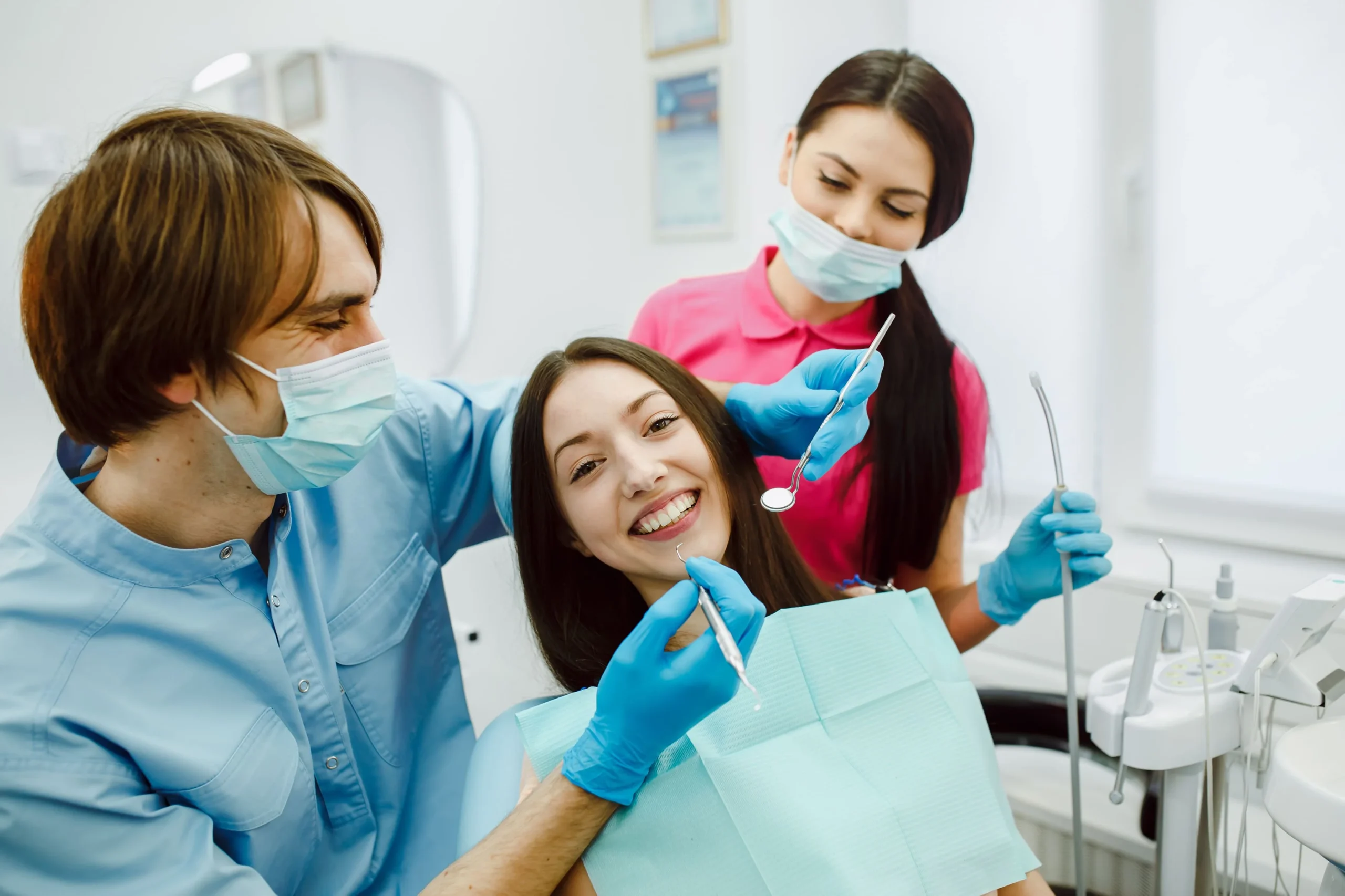
If you are new to laser dentistry, your first visit is usually simple and focused on clarity.
- Consultation and examination: Your dentist checks your teeth and gums and listens to your concerns.
- Diagnosis support: If needed, X-rays or gum evaluation may be recommended to confirm the root cause.
- Treatment discussion: You will be told whether laser-assisted treatment is suitable for your case, and what alternatives exist.
- Clear plan and estimate: You will receive a treatment plan, expected visits, and an explanation of care steps.
- Comfort planning: If you are anxious, your dentist can explain comfort options and what you will feel during the procedure.
If treatment is done the same day, it is typically quick, with simple aftercare instructions shared before you leave.
Looking for Laser Dentistry Near You in Hyderabad
If you have been searching online for “laser dentistry near me,” it usually means you want something comfortable, efficient, and handled by a trained team. At Galaxy Dental Care, we use laser-assisted dentistry where appropriate after a proper evaluation, so your treatment plan stays safe, clear, and personalised.
With clinics across Hyderabad, you can visit the branch for Hyderabad laser dentistry that is easiest to reach, including Kondapur, Kukatpally (KPHB Colony), Banjara Hills, Chandanagar, Nallagandla, AS Rao Nagar, Kompally, Manikonda, and Vanasthalipuram. Many patients choose laser treatment for gum care, sensitivity relief, and minimally invasive procedures, and a quick check-up can confirm whether laser dentistry is the right choice for your case. To book your consultation, call us at +91 8686676781.

Aftercare and Recovery Tips
Most laser treatments have a smooth recovery, but aftercare still matters:
- Follow your dentist’s instructions on eating and drinking for the first day, especially after gum procedures.
- Maintain gentle brushing and flossing, and avoid aggressive cleaning near the treated area until advised.
- If sensitivity is expected, use a dentist-recommended toothpaste and avoid very hot or very cold foods for a short period.
- Book your follow-up if recommended, especially for gum disease treatment.
Frequently Asked Questions
1. What is laser dentistry?
Laser dentistry is a type of dental treatment that uses lasers instead of traditional tools for certain procedures. This technology supports precise, minimally invasive work on both soft and hard tissues, such as gums and teeth.
2. Is laser dentistry safe?
Yes, laser dentistry is generally safe when performed by a trained dental professional. Dental lasers are designed for oral use and are approved for various treatments.
3. What procedures can be done with lasers in dentistry?
Common laser-assisted procedures include cavity treatment, gum disease therapy, teeth whitening, gum reshaping, and lesion removal. It can also be used to reduce tooth sensitivity and support preparation for fillings in suitable cases.
4. Does laser dentistry hurt?
Laser treatments are typically more comfortable than traditional methods and may reduce the need for anesthesia in some cases. Many patients report less discomfort during and after treatment.
5. Is laser dentistry more expensive than traditional treatments?
The cost may be slightly higher because of the technology and training involved. However, it can reduce bleeding, shorten healing time, and sometimes lower the need for follow-ups, depending on the treatment.
6. What are the benefits of laser dentistry?
Benefits may include reduced discomfort, less bleeding, minimal swelling, faster healing, a lower risk of infection, and improved precision, which can make treatment more comfortable and effective.
7. Are there any risks or side effects with laser dentistry?
Risks are minimal, but some patients may experience mild sensitivity or temporary discomfort. Choosing a skilled dentist matters, because incorrect settings can affect surrounding tissue.
8. Is laser dentistry suitable for everyone?
Not all dental issues can be treated with lasers. Some conditions, like large cavities or certain existing restorations, may still require traditional tools.
9. Can laser dentistry help with dental anxiety?
Yes. Because laser dentistry can feel less invasive, it often helps patients who feel anxious about drills, vibrations, or noise.
10. How do I know if laser dentistry is right for me?
A consultation with a dentist experienced in laser-assisted care can confirm whether it fits your needs. If you are considering laser dentistry in Hyderabad, your dentist will assess your oral health, explain options, and recommend the safest approach.
11. Where can I find laser dentistry near me?
If you are looking for laser dentistry near me in Hyderabad, start by booking a consultation and asking whether lasers are appropriate for your specific concern. Galaxy Dental Care offers Hyderabad laser dentistry options in cases where laser treatment is clinically suitable.
