Which Is Right for You?
Bonding vs Veneers for Gaps
Both bonding and veneers close gaps, but they differ in durability, preparation, cost, and how much natural tooth is removed.
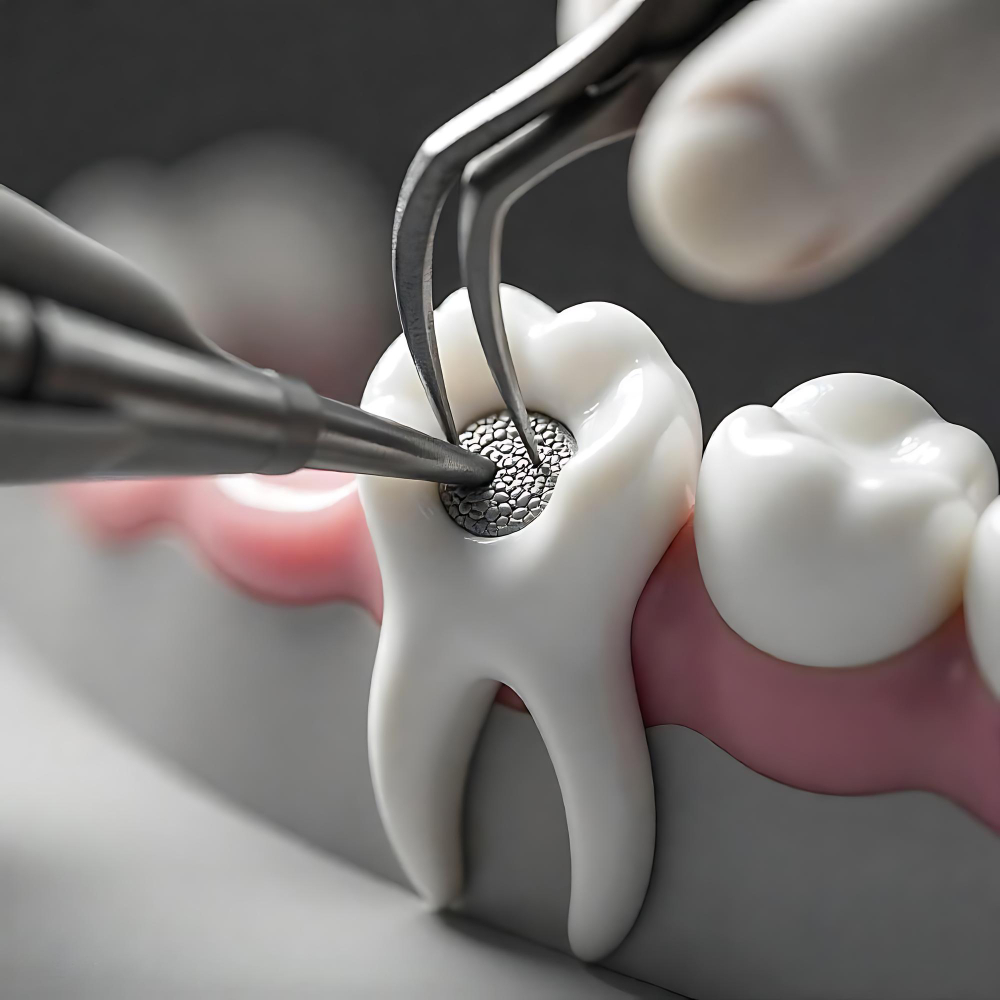
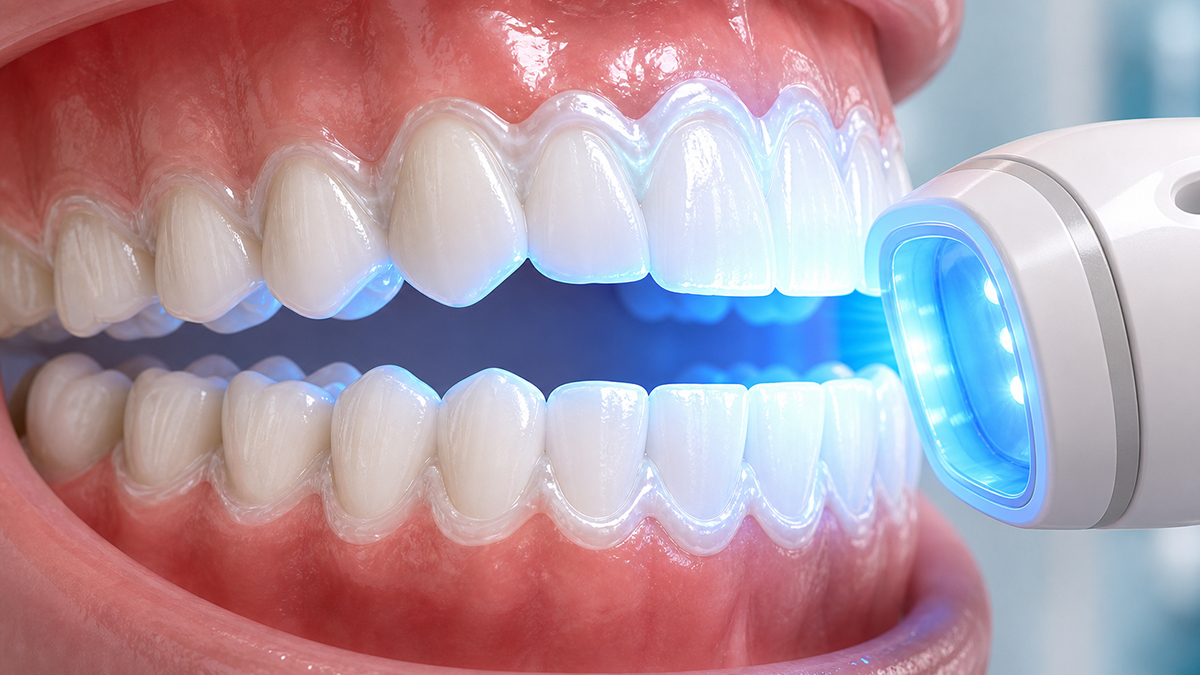
Direct bonding adds composite resin to the tooth edge without drilling away enamel, making it reversible and affordable. It suits narrow gaps and patients who want same-day results. The honest limitation is that bonding stains over time and may chip if you bite nails or chew ice, so it typically needs touch-up or replacement within 5 to 7 years.
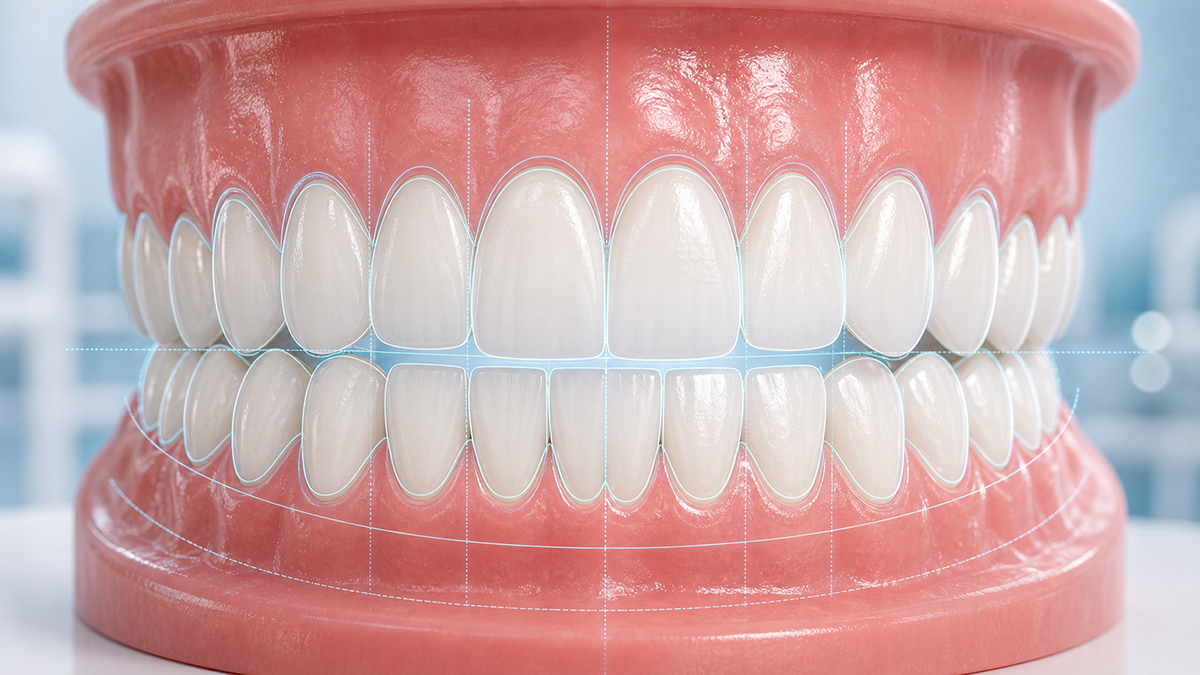
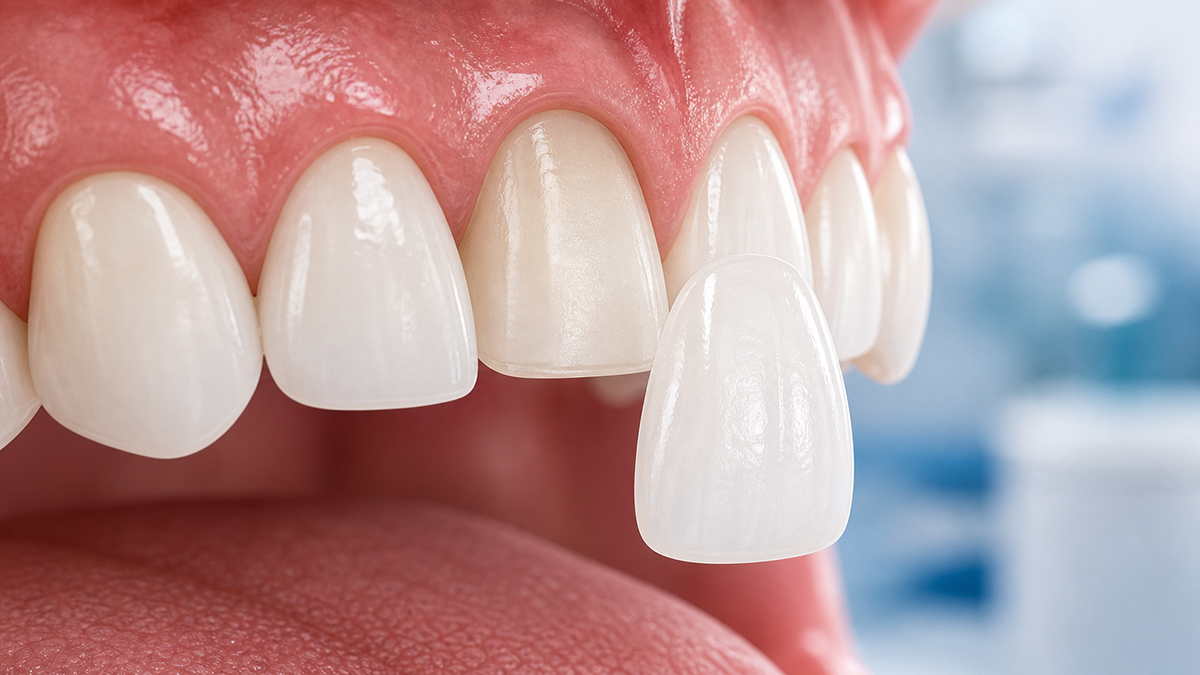
Porcelain veneers require removing a thin layer of enamel so the shell sits flush, making the change permanent. They resist staining better and last longer, usually 10 to 15 years with proper care. Veneers cost more upfront and need two to three visits, including temporary coverings while the lab fabricates the final porcelain.
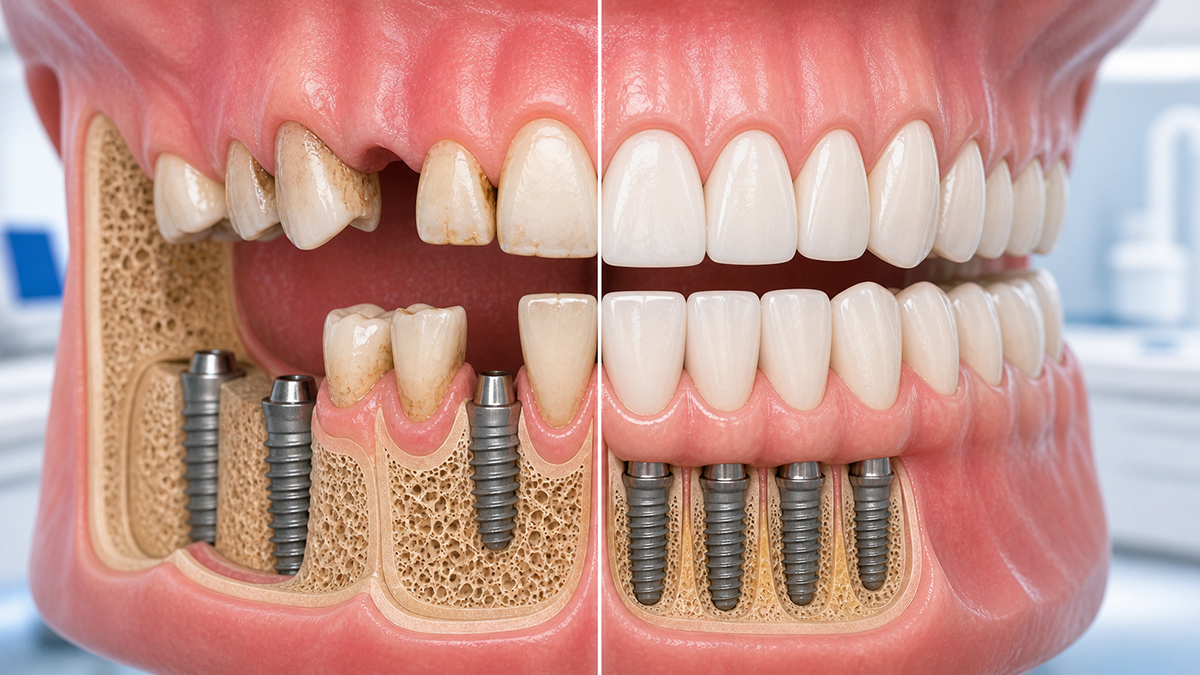
The prosthodontist confirms which option fits after examining gap width, bite force, enamel thickness, and your daily habits, using OPG or CBCT scans if underlying bone or root position needs checking.