

Clock

Monday – Sunday

9AM – 9PM

Jaw Pain Relief | Clicking Stopped | Chewing Restored

TMJ Treatment Chandanagar


Jaw pain that flares while chewing, a click that won’t go away, or mornings with a locked jaw can derail workdays for IT professionals and manufacturing staff across Chandanagar. TMJ Treatment in Chandanagar at Galaxy Dental Care evaluates these symptoms through clinical examination and 3D imaging when needed, then plans care from conservative splint therapy to surgical options if joint damage is confirmed. Galaxy Dental Care runs 9 branches across Hyderabad, with in-house OPG and CBCT at every location. An oral and maxillofacial surgeon assesses each case, checks bite alignment and joint function, and explains every option before any procedure begins.

8200

Patients Recovered

10

Average Waiting Time

5

Satisfaction Rating

TMJ Treatment Chandanagar
Surgeon-Planned TMJ Care

Surgeon-Planned TMJ Care

Assessed and delivered across all 9 Hyderabad branches.

Call Back
Need a Dental Service?

+91 86866 76781

Clock
Visiting Hours

Mon - Sun 9 AM to 9 PM

What Is

TMJ Treatment?

Temporomandibular joint (TMJ) treatment is dental and surgical care for the jaw joint and the muscles that move it. The TMJ connects your lower jaw to your skull; when disc position, cartilage, or muscle function changes, you get pain, clicking, limited opening, or locking. Treatment ranges from jaw rest and oral splints to joint injections or surgery for advanced joint damage. It does not require braces in every case, though bite correction helps when misalignment drives the strain. The goal is to restore comfortable jaw movement, reduce muscle spasm, and protect the joint from further wear so you can eat, speak, and work without interruption.

Conservative Splint Therapy

Conservative Splint Therapy


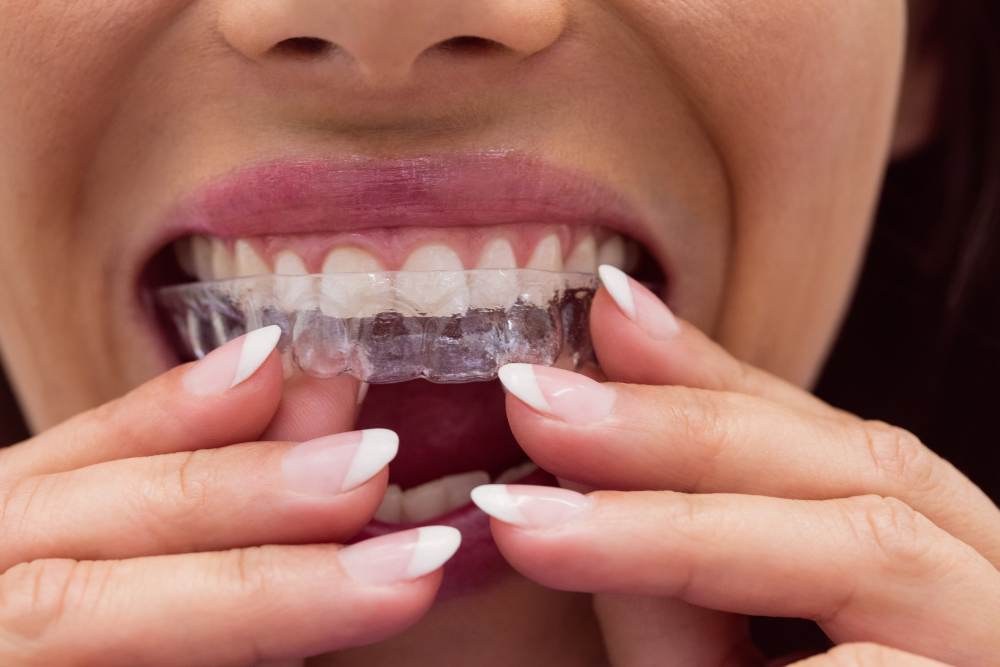
A removable oral splint, often worn at night, reduces clenching and lets jaw muscles rest; it suits patients with muscle pain and no major joint damage.

Surgical Joint Intervention

Surgical Joint Intervention


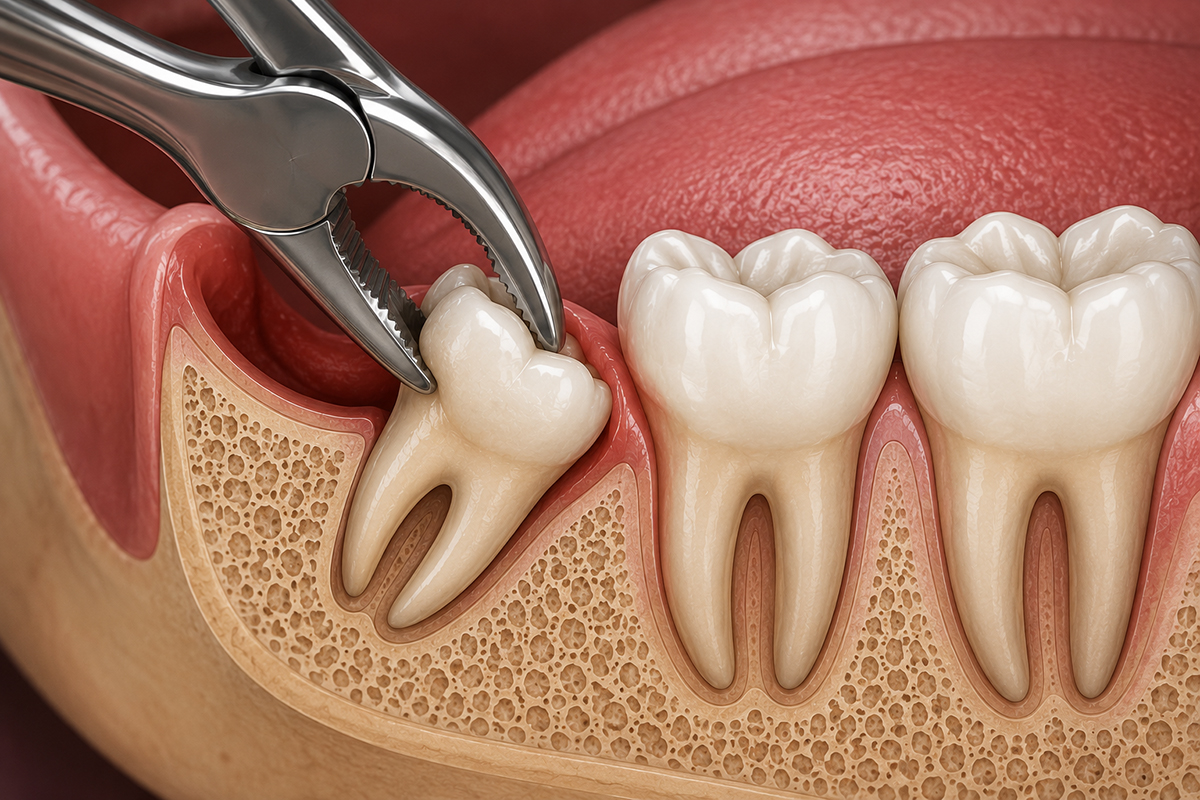
Arthrocentesis or open joint surgery repairs the disc or removes damaged tissue; it is used when scans show joint degeneration and splints no longer help.

TMJ Treatment?

Who Needs

TMJ Treatment?

An oral and maxillofacial surgeon confirms suitability after checking jaw range of motion, joint sounds, and CBCT or MRI findings. Patients across Chandanagar seek this care for several common situations.

Jaw Pain While Chewing

Repetitive strain from chewing hard foods or stress clenching inflames the TMJ muscles and leads to chronic pain that worsens through the workday.

Jaw Pain While Chewing

Clicking or Popping Jaw

A displaced disc inside the joint causes audible clicks when opening or closing, often progressing to catching or limited movement over months.

Clicking or Popping Jaw
TMJ Treatment?
Prefer Non-Surgical First

Prefer Non-Surgical First

Patients who want to avoid surgery start with splints, physiotherapy, and habit changes to see if symptoms resolve before considering joint procedures.

Old Splint No Longer Fits

Old Splint No Longer Fits

Prior night guards wear down or teeth shift, so the splint stops helping and jaw pain returns, requiring a new assessment and replacement.

Medical History Limits Surgery

Medical History Limits Surgery

Certain health conditions make general anesthesia risky, so conservative splint and injection therapy becomes the safer, preferred route.

Medical History Limits Surgery

Medical History Limits Surgery

Certain health conditions make general anesthesia risky, so conservative splint and injection therapy becomes the safer, preferred route.

Types of

TMJ Treatment at Galaxy Dental Care

The oral surgeon recommends the right approach after assessing joint disc position, bone changes, muscle spasm severity, and bite alignment. Not every patient is a candidate for every type.

Stabilization Splint

Stabilization Splint

A hard acrylic splint covers the upper or lower teeth to reduce grinding pressure and relax jaw muscles during sleep.

Anterior Bite Plane

Anterior Bite Plane

A thinner splint that only contacts the front teeth, used short-term to unlock a closed jaw or reduce acute muscle spasm.

Full Mouth Splint Pair

Full Mouth Splint Pair

Upper and lower splints work together to balance the bite across both jaws when complex alignment problems drive joint strain.

Implant-Anchored Support

Implant-Anchored Support

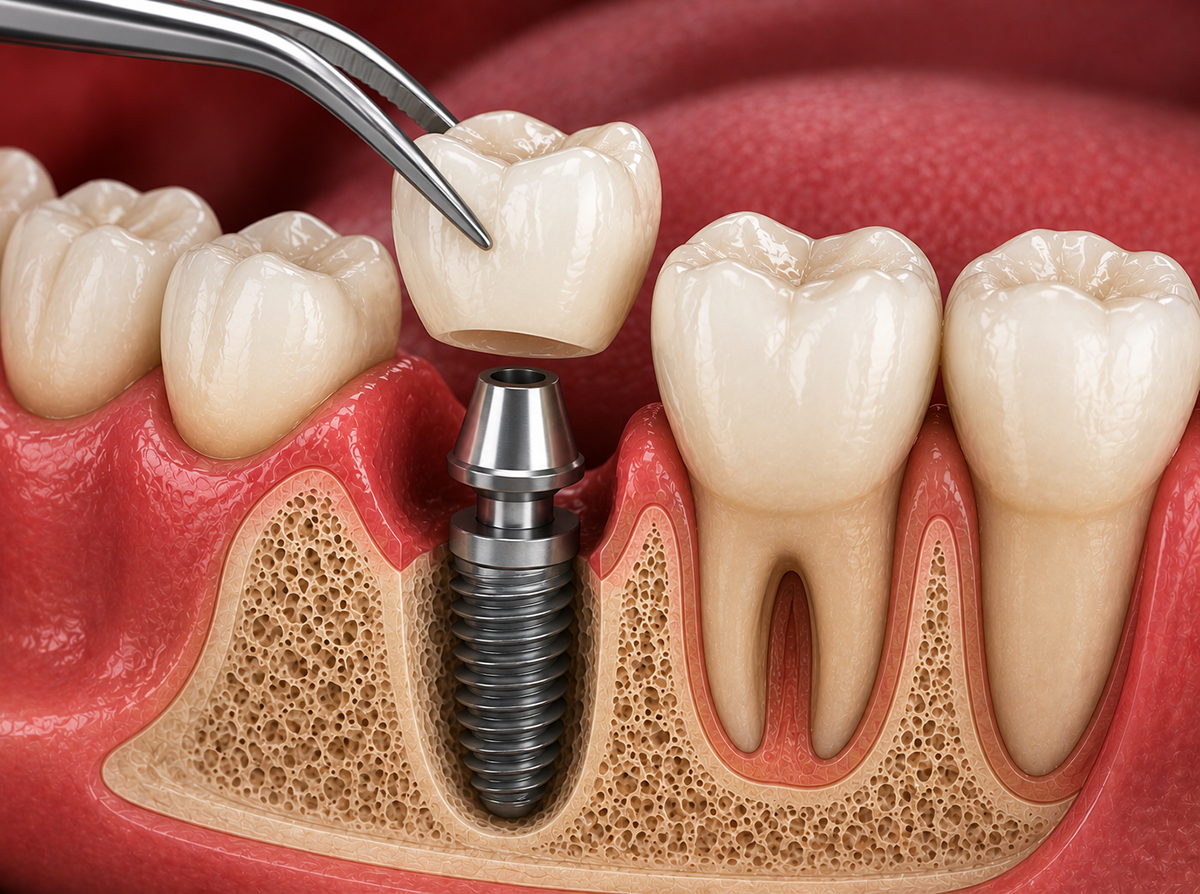
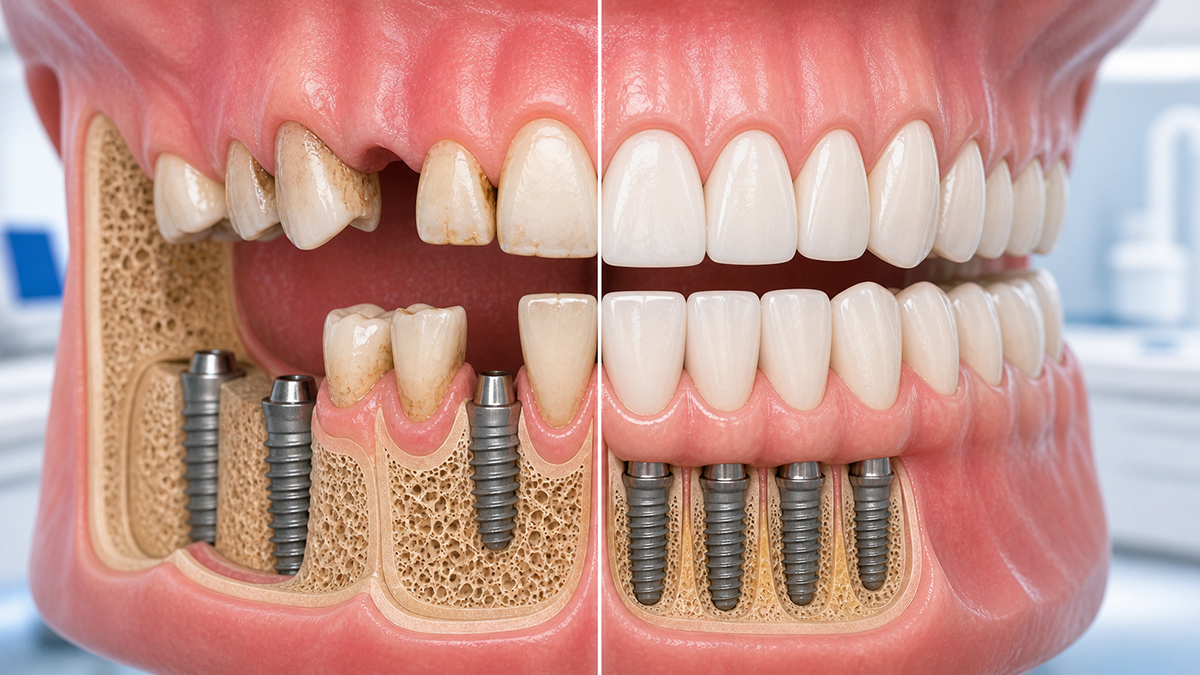
In select cases with missing back teeth, implants restore bite height and stop the jaw from overclosing, which reduces joint pressure.

How Does

TMJ Treatment Work?

Assessment and Splint Fitting begins with the oral surgeon examining jaw opening range, listening for joint sounds, and pressing on muscles to locate tenderness. CBCT or OPG images show bone shape and joint space. If a splint is indicated, the dentist takes upper and lower impressions, records your bite, and sends the models to a lab. You review the splint design and wear schedule before it is made. The splint is fitted at the next visit, adjusted for even contact, and you are taught insertion, removal, and cleaning. A follow-up in two weeks checks fit and comfort.

Assessment and Splint Fitting

Delivery and Review Visits start with the dentist seating the finished splint and marking tooth contacts with articulating paper for balanced pressure. Early sensations include mild tightness or extra saliva for two to three days. The dentist asks you to report any sore spots by phone rather than waiting. Review visits at two weeks, one month, and three months track symptom change, splint wear patterns, and whether muscle pain is dropping. If progress stalls, the surgeon discusses injection therapy or surgical options. Most patients adapt within one to two weeks and notice reduced morning jaw stiffness.

Delivery and Review Visits
Splint Therapy vs Surgery

Which Is Right for You?

Splint Therapy vs Surgery


Both options address TMJ pain and dysfunction, but they differ in invasiveness, recovery time, cost, and whether joint structures are permanently altered.

Splint therapy is the starting point for most patients. The dentist fits a removable device that separates the teeth and reduces muscle activity at night. Advantages include no surgery, reversible effects, and lower cost. The honest limitation is that splints manage symptoms; they do not repair a torn disc or reshape damaged bone, so some patients need more.

Surgical intervention, from arthrocentesis to open joint repair, directly treats the joint disc, cartilage, or bone when imaging shows clear damage. It offers the chance to correct mechanical problems that splints cannot. It requires anesthesia, a recovery period with limited jaw opening, and higher cost, and outcomes depend on how advanced the joint damage is.

The oral and maxillofacial surgeon confirms the right option after clinical examination, CBCT or MRI review, and discussion of your symptoms and daily demands.

What Happens at

Your First TMJ Consultation?

Patients searching "TMJ Treatment near me" in Chandanagar find that this visit determines if splint therapy, physiotherapy, or surgical referral fits their case, and what the full process involves.

Examination 1

Examination


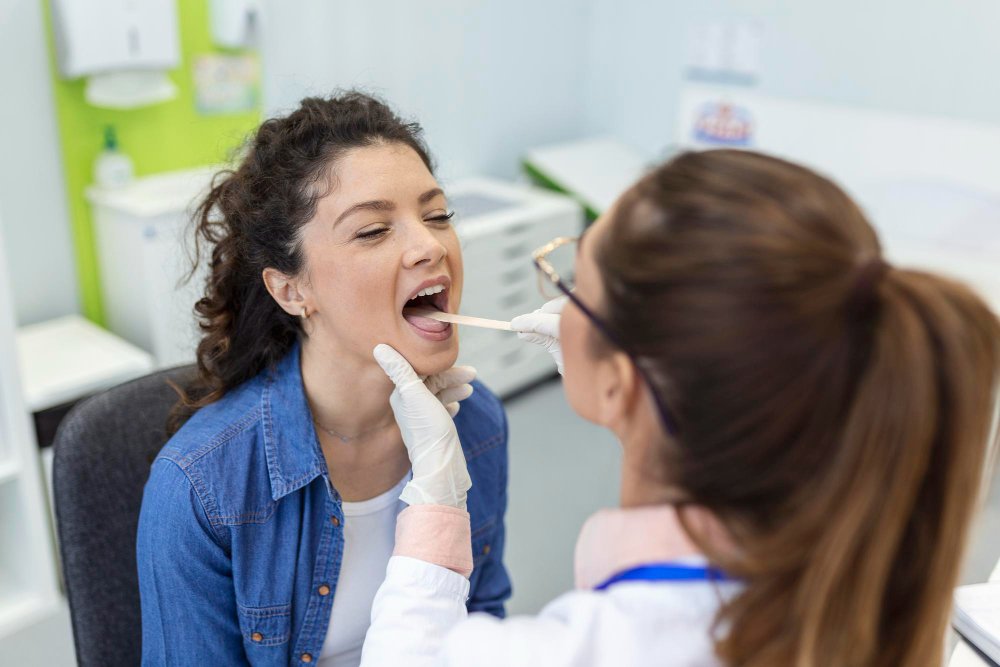
The surgeon measures how wide you can open, palpates jaw muscles, and listens for joint clicks or grinding sounds.

History 2

History


Your medical history, stress levels, grinding habits, and prior dental work are reviewed to find triggers.

Imaging 3

Imaging


OPG or CBCT scans reveal bone changes, joint space narrowing, or cysts that explain your symptoms.

Planning 4

Planning


The surgeon shows you the images, explains splint or surgical options, and you agree on a written plan.

Instructions 5

Instructions


You receive diet advice, jaw rest rules, and the next appointment date for splint fitting or specialist referral.

Why Galaxy Dental Care For

TMJ Treatment in Chandanagar?

Oral and maxillofacial surgeons manage TMJ care for patients in Chandanagar at Galaxy Dental Care.

Specialist surgeons trained in joint assessment and splint design, with surgical backup when imaging shows joint damage.

Multiple splint types and surgical options, from night guards to arthrocentesis, matched to your joint condition.

Every patient sees their CBCT images, gets a written plan, and approves the next step before any procedure.

Post-delivery reviews at two weeks, one month, and three months track comfort and adjust the splint as muscles adapt.

Open Monday to Sunday, 9 AM to 9 PM, for consultations and emergency flare-ups, with a 24/7 phone line.

TMJ Treatment in Chandanagar?

Aftercare And

Recovery for TMJ Treatment

After splint fitting, expect mild pressure and extra saliva for two to three days. Soft foods help while muscles adjust. Surgical patients face one to two weeks of limited jaw opening and liquid or soft diet. Normal healing includes gradual reduction in morning stiffness.

1

Wear the splint every night for the full hours prescribed, even if symptoms ease early.

2

Clean the splint daily with cool water and a soft brush, never hot water that warps acrylic.

3

Avoid chewing gum, ice, and hard nuts that force the jaw to overwork during healing.

4

Call +91 86866 76781 if the splint cracks, stops fitting, or pain suddenly increases.

Icon

Our Dental Services

All Dental Treatments
Under One Roof

Testimonials

Book Your Dental Care
Appointment Now!

Mon-Sun 9:00am - 9:00pm
Call Us On +91 86866-76781

Visit Us
Choose The Nearest Dental Clinic Branch, Pick A Service And Time Slot.

icon

Frequently Asked Questions
Get clear answers on appointments, treatment steps, scans, safety, and follow ups.

Most patients adapt within one to two weeks. Early sensations include mild tightness or extra saliva. If sore spots persist beyond ten days, the dentist adjusts the fit. Consistent nightly wear speeds muscle relaxation and symptom relief.

A splint reduces muscle strain and protects the joint, but it does not always reposition a displaced disc. Clicking may lessen or stay stable. The surgeon tracks changes at review visits and adjusts the plan if symptoms progress.

Rinse the splint after removal, brush it with a soft brush and mild soap, and store it in its case dry. Avoid hot water, which warps acrylic. Bring it to every review so the dentist checks wear and fit.

A well-maintained hard acrylic splint lasts two to five years. Grinding habits, mouth breathing, and cleaning method affect lifespan. The dentist inspects it at six-month checkups and recommends replacement when wear or fit changes appear.

The cost depends on splint type, imaging needed, whether physiotherapy is added, and if surgery becomes necessary. In India, non-surgical TMJ treatment typically ranges from ₹5,000 upwards, while surgical options range from ₹2,00,000 to ₹8,00,000 or more. Galaxy Dental Care provides a written estimate after examination. Insurance tie-ups and EMI options are available. For comparison, see TMJ Treatment in Banjara Hills.

Book Your Appointment

for a Healthier, Brighter Smile


Appointment

Request a
Call Back

Call Back

WhatsApp