Which Is Right for You?
TMJ Splint vs Surgery
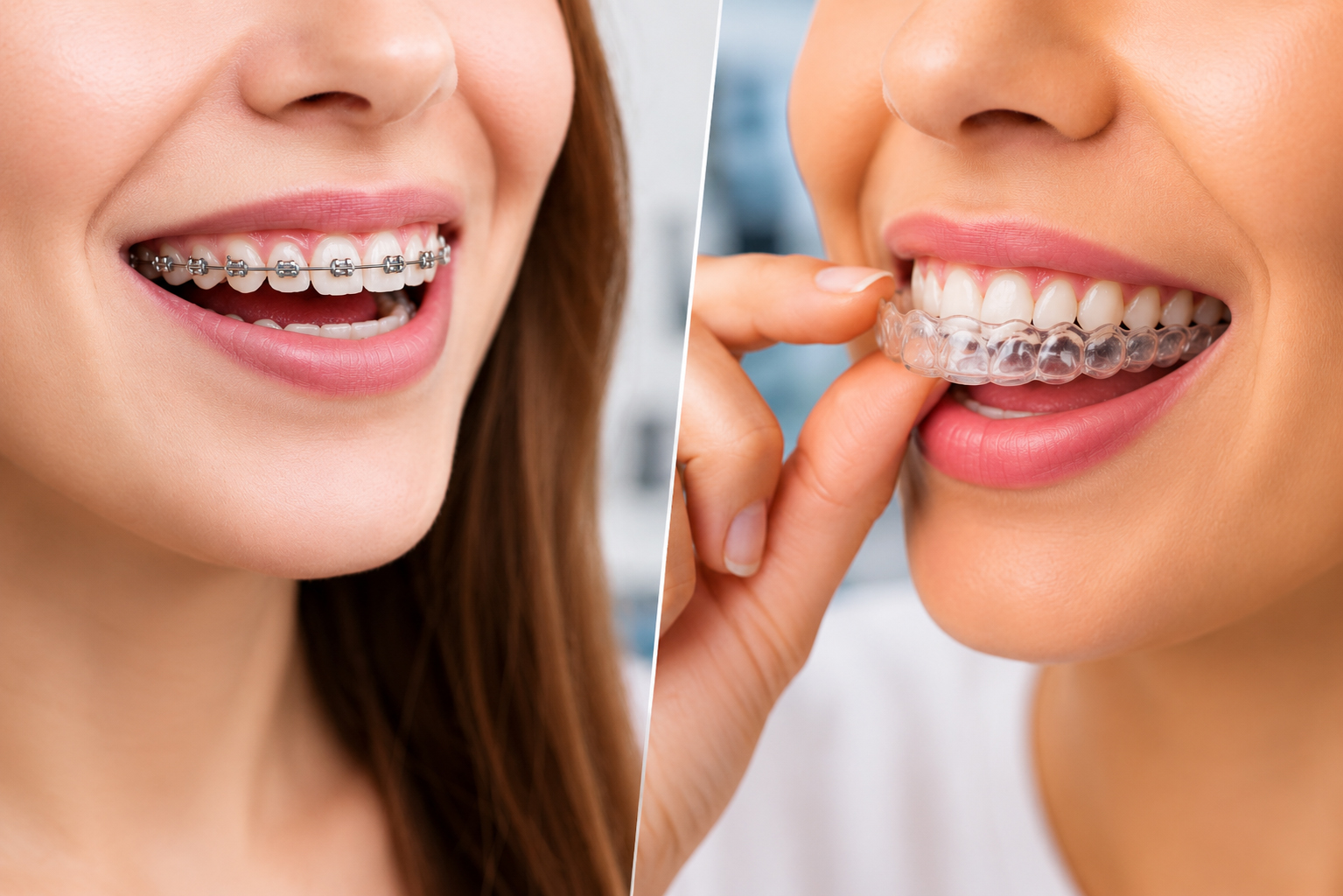
Splint therapy and surgical intervention both aim to relieve TMJ pain and restore function, but they differ in invasiveness, recovery time, cost, and the type of joint problem they address.
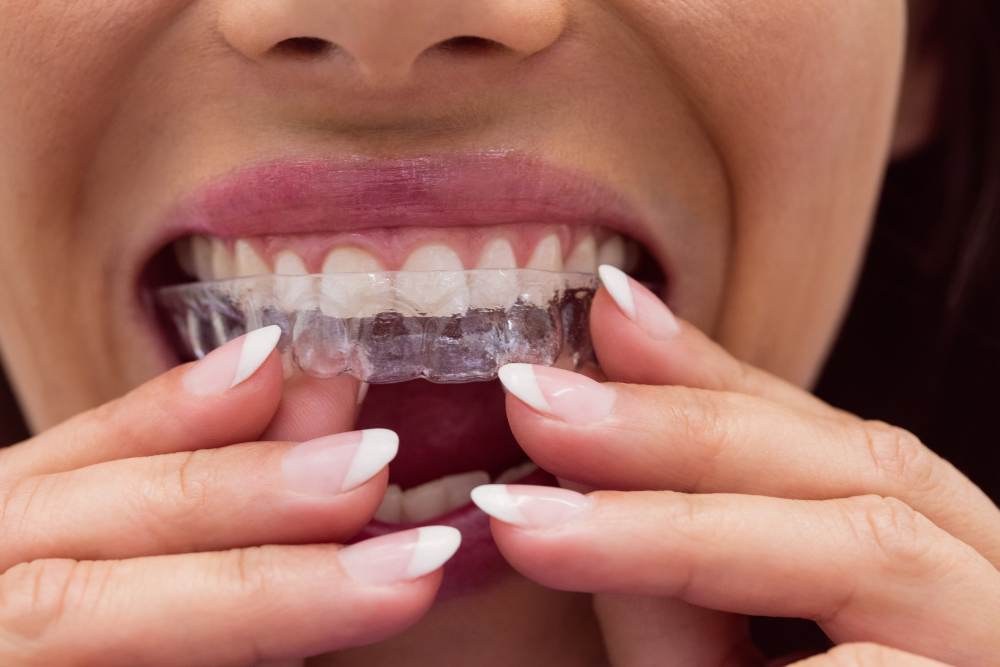
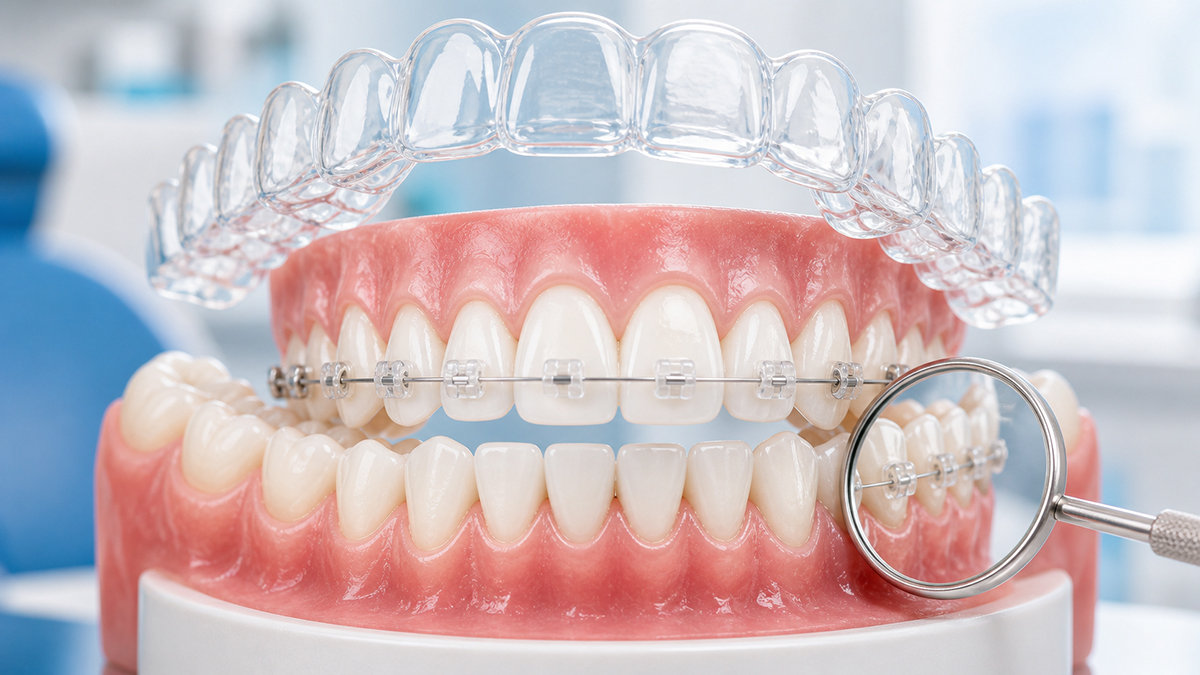
A stabilization or repositioning splint is the first line for most patients. It is removable, non-invasive, and works by reducing muscle activity and guiding the jaw into a less stressful position. Advantages include no recovery period, lower cost, and the ability to try it before committing to irreversible changes. The honest limitation is that it manages symptoms rather than correcting structural joint damage, and some patients need to wear it long term.
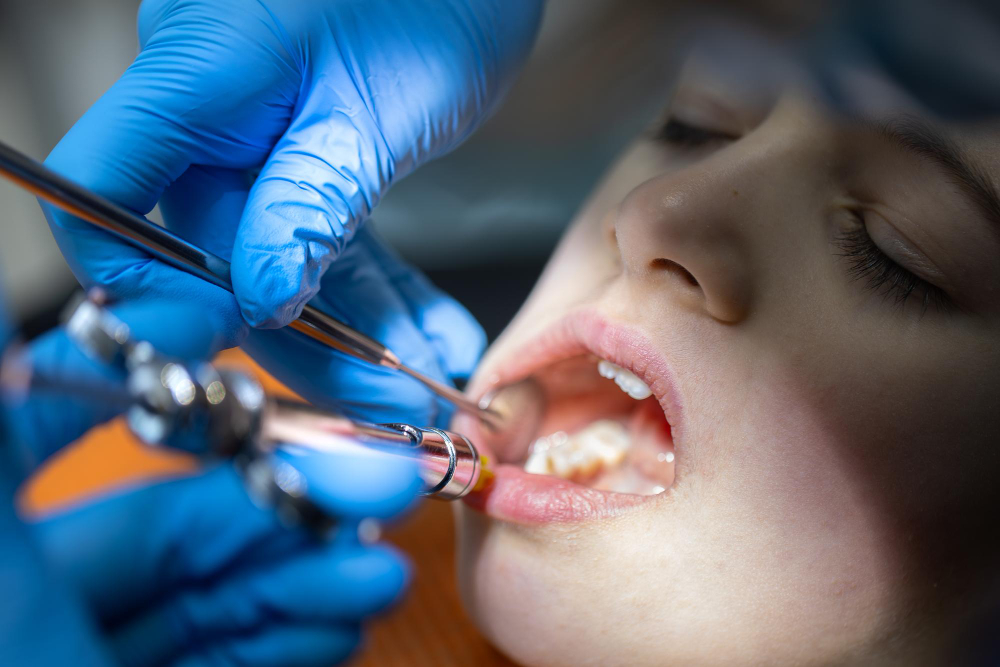
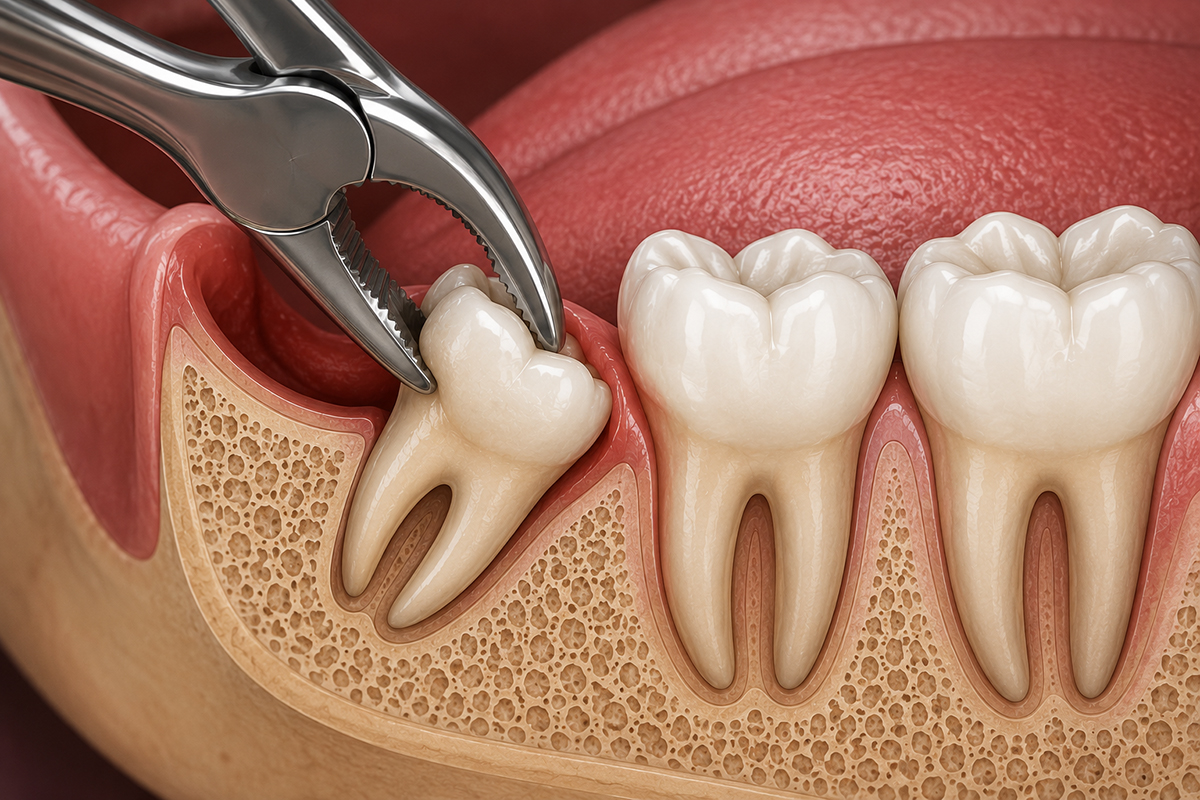
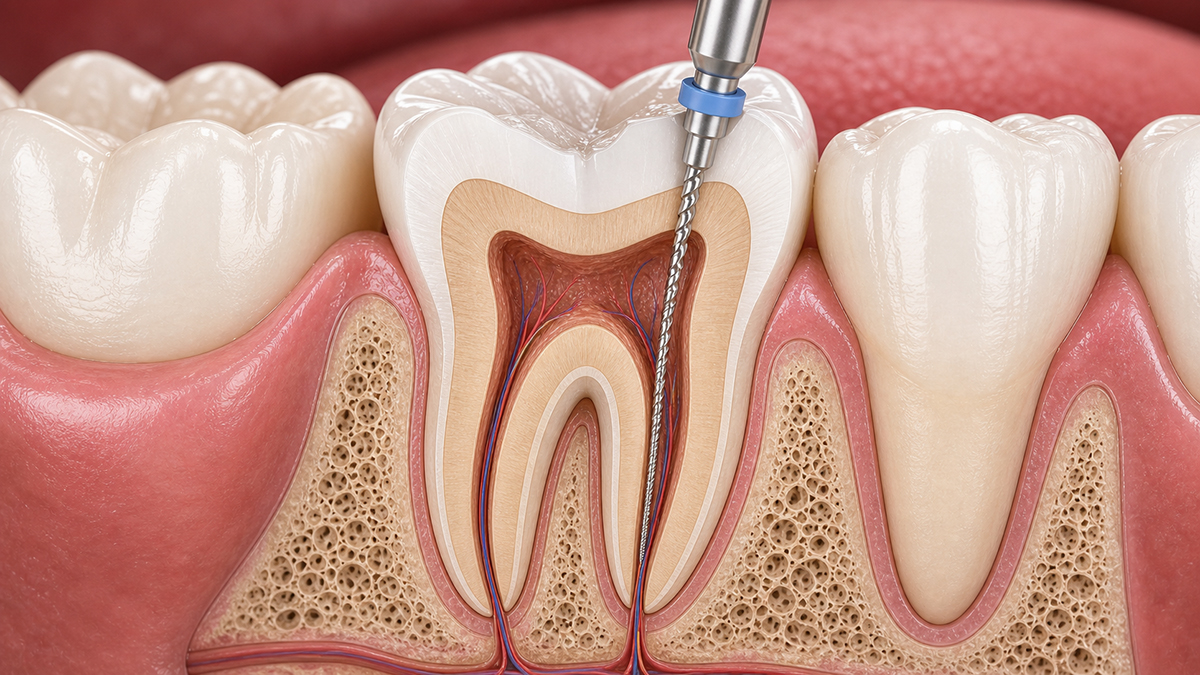
Surgical options such as arthrocentesis or open joint procedures are reserved for cases where conservative care has failed and imaging shows clear joint pathology, such as severe disc displacement or bone degeneration. Surgery can address the underlying mechanical problem directly. It requires healing time, carries the risks of any joint procedure, and costs significantly more. The oral and maxillofacial surgeon at Galaxy Dental Care also provides Root Canal Treatment in Kukatpally KPHB Colony for patients whose tooth pain mimics joint symptoms.
The right option is confirmed only after clinical examination, imaging review, and discussion of your symptoms and priorities.