Category: Dental Crown

  • Metal Ceramic vs Zirconia Crowns: Which Lasts Longer?

    Metal Ceramic vs Zirconia Crowns: Which Lasts Longer?

    Metal ceramic vs zirconia is the question most patients face when a dentist says they need a crown. Both protect a damaged tooth, but they differ in strength, appearance, and how long they last. Zirconia crowns offer higher flexural strength, typically 900 to 1,200 MPa, and better aesthetics without any metal. Metal ceramic crowns, also called porcelain-fused-to-metal, remain strong overall and cost less. At Galaxy Dental Care, our prosthodontists check your bite force, gum health, and the tooth’s position before recommending either material. We use in-house OPG and CBCT scans to assess bone support and space. By the end of this article, you will know which crown material matches your needs and what to ask at your consultation.

    Key takeaways

    • Zirconia crowns resist fractures better and suit patients with heavy biting forces.
    • Metal ceramic crowns cost less but may show a dark metal line near the gums over time.
    • Both materials have a median survival of 10 to 15 years with proper care.
    • Your dentist should check bite force, gum health, and tooth position before choosing.
    • Galaxy Dental Care offers both options with digital scans for precise fitting.

    What is the difference between metal ceramic and zirconia crowns?

    A metal ceramic crown has a dark metal core covered by porcelain, giving it strength but hiding some light the way natural teeth do. A zirconia crown is made from a white ceramic material called zirconium dioxide, which is strong enough to work without a metal base. This means zirconia lets more light pass through, so it looks more like a real tooth, especially on front teeth. Metal ceramic crowns have been used longer and dentists know their behavior well. Zirconia is newer but has been studied extensively, with clinical data showing similar survival rates to metal ceramic over time.

    At Galaxy Dental Care, our prosthodontists use Dental Crowns made from both materials. The choice depends on where the tooth sits, how hard you bite, and whether you grind your teeth at night.

    Which crown material is stronger?

    Zirconia crowns have higher flexural strength, ranging from 900 to 1,200 MPa, which means they resist cracking under pressure better than the porcelain layer on metal ceramic crowns. Monolithic zirconia, made from a single solid piece, is particularly strong and has been used successfully on molars for patients who grind or clench. Metal ceramic crowns are still strong overall because the metal core underneath rarely breaks, but the porcelain coating can chip or crack if hit hard.

    For back teeth that take the most force, zirconia often wins. For front teeth where the bite is lighter, either material works if placed well. Our team checks your bite pattern with digital tools before recommending one.

    Strength factor Metal ceramic Zirconia
    Core material Metal alloy Zirconium dioxide ceramic
    Flexural strength Depends on porcelain layer 900 to 1,200 MPa
    Fracture risk Porcelain veneer can chip Very low in monolithic form
    Best for heavy biting forces Possible with caution Preferred choice

    Which looks more natural?

    Zirconia looks more natural because it has no dark metal underneath to block light. Metal ceramic crowns can develop a gray line at the gum edge as gums recede with age, which some patients find noticeable on front teeth. The porcelain on metal ceramic can match tooth color well, but it never quite matches the translucency of real enamel because the metal base absorbs light rather than letting it pass through.

    If your smile shows your teeth prominently, zirconia is usually the better aesthetic choice. For back teeth that others rarely see, the appearance difference matters less. Patients concerned about metal allergies or sensitivities also prefer zirconia because it contains no metal at all.

    Aesthetic factor Metal ceramic Zirconia
    Translucency Lower, metal blocks light Higher, closer to natural tooth
    Gum line over time May show dark metal edge No metal, no gray line
    Color matching Good with porcelain layer Excellent, especially layered zirconia
    Metal allergy risk Present in some alloys None, fully ceramic

    How long do metal ceramic and zirconia crowns last?

    Both materials have a median survival of 10 to 15 years, and zirconia often exceeds 15 years with proper maintenance. A 2025 clinical study found 91.5% survival for both monolithic zirconia and metal ceramic crowns over the follow-up period, with similar types of complications. The main reasons crowns fail are decay at the edge, gum disease loosening the fit, or the crown coming off due to cement failure, not the material itself breaking.

    Your habits matter more than the material. Grinding your teeth, chewing ice, or skipping cleanings shortens any crown’s life. At Galaxy Dental Care, we schedule follow-up visits to check the seal and gum health around your crown.

    How do dentists decide which crown to use?

    The dentist examines three things before choosing: the tooth’s position in your mouth, how much force you apply when biting, and the health of your gums. Front teeth need better aesthetics, so zirconia or layered zirconia is common. Molars need maximum strength, so monolithic zirconia or metal ceramic may be chosen. Patients with heavy grinding habits often get zirconia for its fracture resistance.

    Before placing any crown, our prosthodontists take an OPG full-mouth X-ray or CBCT 3D scan to check bone support and nerve position. We also review your medical history, current medicines, and conditions like diabetes that affect healing. This is the same careful evaluation we use for Dental Implants and other restorative work.

    If your tooth needs a root canal first, we coordinate with our endodontist. You can learn about that process at our Root Canal Treatment page.

    Decision factor Favors metal ceramic Favors zirconia
    Tooth position Back teeth, budget priority Front teeth, visible smile
    Bite force Moderate Heavy grinding or clenching
    Gum recession risk May show metal later No metal to expose
    Metal sensitivity Avoid if allergy known Safe for all patients
    Speed of fabrication Traditional lab process Faster CAD/CAM milling

    What is the process for getting a crown at Galaxy Dental Care?

    Getting a crown takes two to three visits. First, the dentist examines your tooth, takes an OPG or CBCT scan, and discusses material options with you. Second, the tooth is shaped to make room for the crown, and a digital or physical impression is taken. A temporary crown protects your tooth while the lab makes the permanent one. Third, the dentist removes the temporary crown and cements the permanent one in place, checking your bite and polish.

    Zirconia crowns benefit from a simplified manufacturing process using CAD/CAM digital technology, which replaces wax carving and casting steps. This reduces error and can mean quicker turnaround. Metal ceramic crowns still require traditional lab work in most cases. Our in-house technology lets us plan precisely whether you choose Dental Crowns or need Full Mouth Rehabilitation with multiple restorations.

    Patients comparing tooth replacement options may also want to read our guide on dental implants vs dental bridges.

    Diagram comparing metal ceramic and zirconia crown features across five categoriesMetal Ceramic vs Zirconia at a GlanceUse this to ask your dentist the right questions at yourconsultation.1Core materialMetal ceramic hides a dark metal base under porcelain,while zirconia is white all through.2Strength winnerMonolithic zirconia resists fracture best for patientswho grind or clench their teeth.3Natural lookZirconia lets light pass through like a real tooth,avoiding the gray gum line metal can show.4Lifespan rangeBoth materials typically last 10 to 15 years or morewhen the patient maintains good oral hygiene.5Allergy safetyZirconia contains no metal, making it the safer choicefor patients with known metal sensitivities.Match the material to your bite force, tooth position, andaesthetic priorities.Galaxy dental care+91 86866 76781

    Zirconia crowns offer superior strength and aesthetics for most patients, while metal ceramic remains a reliable lower-cost option. Your bite force, tooth position, and gum health determine which fits you best. Both last 10 to 15 years or more with proper care. To discuss which material suits your tooth, call Galaxy Dental Care on +91 86866 76781 and book an assessment with our prosthodontist.

    FAQs

    Can I get a zirconia crown if I grind my teeth at night?

    Yes, monolithic zirconia is often recommended for grinders because its flexural strength of 900 to 1,200 MPa resists fracture better than porcelain layers. Your dentist may also suggest a night guard to protect the crown and opposing teeth.

    Will a metal ceramic crown trigger a metal allergy?

    It can, if you are sensitive to the specific alloy used. Some metal ceramic crowns use base-metal alloys containing nickel, which causes reactions in some patients. Zirconia contains no metal and eliminates this risk entirely.

    How much does each crown type cost?

    Metal ceramic crowns generally cost less than zirconia due to material and fabrication differences. Exact pricing depends on the tooth's condition, whether a root canal is needed first, and your choice of alloy or zirconia grade. Galaxy Dental Care provides a full treatment plan with costs before any procedure begins.

    Can a crown be replaced if it fails?

    Yes, a failed crown can be removed and replaced. The dentist checks whether the underlying tooth is still healthy enough to support a new crown. If decay has damaged the tooth root, extraction and an implant or bridge may be needed instead.

    How do I care for my crown to make it last?

    Brush twice daily, floss around the crown edge, and have professional cleanings every six months. Avoid chewing ice or hard objects. Tell your dentist if you grind your teeth, as a night guard protects both natural teeth and crowns.

    Is zirconia better than metal ceramic for front teeth?

    Usually yes, because zirconia transmits light like natural enamel and has no metal to show at the gum line. For front teeth where appearance matters most, zirconia or layered zirconia is the common choice at Galaxy Dental Care.
  • Tooth Cap: When You Need One, What It Costs, How Long It Lasts

    Tooth Cap: When You Need One, What It Costs, How Long It Lasts

    A tooth cap is a custom-made cover that fits over a damaged, weak, or broken tooth to restore its shape, strength, and appearance. Most tooth caps last between five and 15 years with proper care, and some last up to 20 years. Galaxy Dental Care places crowns after checking your tooth with an OPG full-mouth X-ray, explaining your material options, and giving you a complete treatment plan before any procedure begins. By the end of this article, you will know whether you need a tooth cap, what the process involves, and how to make it last.

    Key takeaways

    • A tooth cap covers the entire visible portion of a damaged tooth to protect it from further harm.
    • Most crowns last five to 15 years, with some reaching 20 years through good oral hygiene and regular check-ups.
    • Crowns are recommended for 94% of root canal treated back teeth to prevent fracture.
    • Material choice, tooth position, and lab work all affect the final cost and durability.
    • You should call your dentist if a crowned tooth becomes sensitive, loose, or painful after placement.

    What is a tooth cap and when do dentists use it?

    A tooth cap, also called a dental crown, is a tooth-shaped cover that encases the entire visible portion of a tooth above the gum line. Dentists use it when a tooth is too decayed, cracked, worn down, or weak to hold a filling. A crown also covers a tooth after root canal treatment, tops a dental implant, or improves the appearance of a severely discolored or misshapen tooth.

    At Galaxy Dental Care, a prosthodontist or general dentist examines the tooth, takes an OPG full-mouth X-ray or CBCT 3D scan if needed, and checks gum health before recommending a cap. Every patient receives a diagnosis, sees the treatment options, and gets a full plan before any work begins.

    What are the different types of tooth cap materials?

    Tooth caps come in several materials, each with different strengths, appearance, and cost. Your dentist will recommend one based on which tooth needs the cap, how much force it bears, and your preference for appearance.

    Material Best for Appearance Durability
    Porcelain-fused-to-metal (PFM) Back teeth needing strength Natural but may show metal line High
    All-ceramic or zirconia Front teeth or metal allergies Most natural looking Very high
    Gold or metal alloy Back molars under heavy bite force Metallic, not tooth-colored Highest
    Resin or composite Temporary or budget option Natural but less lustrous Lower, wears faster

    Zirconia and all-ceramic caps cost more than PFM due to their high durability and aesthetic finish. The location of the tooth also matters: molars may require more material or greater strength. Advanced labs using precision crafting may charge more, but they also deliver a better fit.

    If you are considering a Dental Implants to replace a missing tooth, an implant-supported crown is placed after the implant bonds with bone over three to six months. For a full reconstruction, Full Mouth Rehabilitation may involve multiple crowns, bridges, and implants planned together.

    How is a tooth cap placed?

    The process usually takes two visits. At the first visit, the dentist numbs the tooth, removes decay or damaged structure, and shapes the tooth so the cap will fit. They take impressions or digital scans, place a temporary cap to protect the tooth, and send the scan to a dental lab. At the second visit, the dentist removes the temporary cap, checks the fit and color of the permanent one, and cements it in place.

    Before any tooth cap procedure, Galaxy Dental Care checks your medical history, current medicines, and gum health. An OPG full-mouth X-ray or CBCT 3D scan is used to assess bone support and root condition. Every patient is shown the treatment options and given a complete plan before work begins.

    If the tooth needs root canal treatment first, you can read about Root Canal Treatment to understand that step. For front teeth that need cosmetic improvement rather than structural repair, Dental Veneers may be an alternative to discuss.

    How long does a tooth cap last and what affects its lifespan?

    A tooth cap typically lasts between five and 15 years. With excellent oral hygiene and regular dental check-ups, some last up to 20 years. The lifespan depends on the material, the position of the tooth, your bite force, and habits like grinding or chewing ice.

    Factor Effect on lifespan
    Material (zirconia, PFM, metal) Higher durability materials last longer
    Oral hygiene routine Poor hygiene leads to decay at the margin
    Bruxism or teeth grinding Excess force cracks or loosens the cap
    Regular dental visits Early detection of margin gaps or wear

    Crowns are recommended for endodontically treated posterior teeth 94% of the time because these teeth become brittle and prone to fracture. If you have had a root canal on a back tooth, a cap is almost always the standard next step to protect your investment.

    To keep your gums healthy around any crown or restoration, Advanced Gum Treatments may be needed if inflammation develops. Regular Teeth Cleaning and Preventive Dentistry visits help catch problems before they threaten the tooth underneath.

    What problems can happen with a tooth cap and when should you call the dentist?

    The most common issues are sensitivity, looseness, chipping, or decay at the edge where the cap meets the tooth. Some sensitivity to hot and cold is normal for a few days after placement. Persistent pain, a cap that feels loose, or a visible crack means you need to see your dentist promptly.

    Symptom What it may mean When to call
    Mild sensitivity to temperature Normal nerve response after placement If not improving within one to two weeks
    Cap feels loose or shifts Cement washed out or tooth decay underneath Same day or next day
    Pain when biting Cap too high, needs adjustment Within 24 to 48 hours
    Visible crack or chip in cap Material fracture from trauma or grinding As soon as possible

    A cap does not eliminate the risk of gum disease or decay at the tooth margin. You still need to brush, floss, and attend regular check-ups. Outcomes depend on your individual oral health status and habits.

    If a capped tooth was damaged by decay reaching deep, your dentist may have discussed What Should You Do About a Wisdom Tooth Cavity as part of your overall prevention plan. For patients replacing multiple teeth, a dental implant treatment plan may include implant crowns as part of the solution.

    Diagram showing four steps of dental crown placement from preparation to final fitting.Tooth Cap Placement StepsSee what happens at each visit so you know what to expect.1Tooth PreparationThe dentist removes damaged tissue and shapes thetooth to make room for the cap.2Digital ScanAn impression or scan captures the exact shape neededfor the lab to craft your crown.3Temporary CapA temporary cover protects the prepared tooth whilethe permanent crown is being made.4Final FittingThe dentist checks fit and color, then cements thepermanent cap into place.Two visits and proper care give you a restored tooth thatlasts for years.Galaxy dental care+91 86866 76781

    A tooth cap protects a weakened tooth and restores its function for many years. The right material, proper placement, and consistent care determine how long it lasts. If you have a cracked tooth, have had root canal treatment, or simply want to understand your options, call Galaxy Dental Care on +91 86866 76781 to book an assessment. The team will examine your tooth, explain the materials that suit your case, and give you a complete treatment plan before any procedure begins.

    FAQs

    Is a tooth cap the same as a dental crown?

    Yes, a tooth cap is the same as a dental crown. Both terms refer to a custom-made cover that fits over a damaged tooth to restore its shape, strength, and appearance.

    How much does a tooth cap cost in India?

    The cost depends on the material, the tooth position, and the lab work involved. Zirconia and all-ceramic caps cost more than porcelain-fused-to-metal due to higher durability and aesthetics. Your dentist will give you a specific estimate after examination.

    Does getting a tooth cap hurt?

    No, the procedure is done under local anesthesia so you do not feel pain during tooth preparation. Some mild sensitivity for a few days after placement is normal and usually settles on its own.

    Can a tooth cap fall off?

    Yes, a cap can become loose or fall off if the cement washes out, if decay develops underneath, or if you bite down on something very hard. If this happens, keep the cap safe and contact your dentist promptly to have it recemented or replaced.

    How do I care for a tooth cap so it lasts longer?

    Brush twice daily, floss carefully around the margin, avoid chewing ice or hard objects, and visit your dentist for regular check-ups. Good oral hygiene and early detection of problems are the best ways to extend the life of your crown.

    Can I get a tooth cap if I have gum disease?

    Active gum disease should be treated first, because inflammation and bone loss can weaken the tooth supporting the cap. Your dentist will assess your gum health and may recommend gum treatment before crown placement.

  • Dental Crowns vs Veneers: Which Lasts Longer and When to Choose Each

    Dental Crowns vs Veneers: Which Lasts Longer and When to Choose Each

    Dental crowns vs veneers which lasts longer is the first question most patients ask when they need to rebuild or reshape a front tooth. The short answer is that both can last a decade or more with proper care, but crowns often edge ahead in survival rates because they cover the entire tooth and handle biting forces better. Veneers bonded strongly to healthy enamel can also last 10 to 20 years. At Galaxy Dental Care, our prosthodontists and oral surgeons assess your tooth structure, bite force, and gum health on in-house OPG and CBCT scans before recommending either option. By the end of this article, you will know which option matches your tooth condition and how to make it last.

    Key takeaways

    • Crowns typically last 10 to 15 years, with some metal-based crowns exceeding that.
    • Veneers range from 7 to 20 years depending on whether they are porcelain or composite and what they bond to.
    • Crowns suit heavily damaged or root-canaled teeth; veneers suit intact teeth with cosmetic concerns.
    • Survival rates drop over time for both, so maintenance and regular checks matter.
    • The right choice depends on how much natural tooth remains and where the tooth sits in your bite.

    What is the difference between a dental crown and a veneer?

    A dental crown is a cap that covers the entire visible tooth down to the gum line. A dental veneer is a thin shell, usually porcelain or composite resin, that bonds only to the front surface of the tooth. Crowns require more tooth reduction because they wrap the whole tooth. Veneers preserve more natural tooth structure but need enough healthy enamel to grip.

    At Galaxy Dental Care, we use in-house OPG full-mouth X-rays and CBCT 3D scans to measure how much sound tooth remains before deciding between Dental Crowns and Dental Veneers. This matters because the amount of remaining tooth changes how well each restoration stays put.

    How long do dental crowns last?

    Dental crowns typically last 10 to 15 years, and often longer with excellent oral hygiene and regular professional cleaning. Large-scale research shows crown survival rates of approximately 77% at 5 years, 63% at 10 years, and 53% at 15 years. Gold and full-metal crowns perform significantly better, with over 96% survival at 10 years, though patients less often choose them for visible teeth due to appearance.

    The material affects lifespan. Porcelain-fused-to-metal and all-ceramic crowns balance looks with strength. Zirconia crowns resist fracture well. Your bite force, grinding habits, and whether the tooth had root canal treatment also influence how long a crown lasts. At Galaxy Dental Care, our prosthodontists check these factors during planning.

    Patients considering material options can read our detailed comparison of Ceramic vs Zirconia Dental Crowns: Pros, Cons, Cost & Durability to understand which suits their bite and aesthetic needs.

    How long do dental veneers last?

    Dental veneers commonly last 7 to 20 years depending on the material and what they bond to. Porcelain veneers are the standard for durability and appearance. Composite resin veneers cost less but typically need replacement sooner, often within 5 to 7 years.

    Bonding surface matters critically. Porcelain veneers bonded to enamel achieve near-perfect survival rates of approximately 99% at mid-term follow-up. Veneers bonded to composite or dentin show lower survival of 91% to 95%. This is why Galaxy Dental Care evaluates enamel quality with OPG and CBCT imaging before recommending veneers.

    Veneers work best on teeth with minor chips, gaps, or discoloration where the underlying tooth is healthy. They are not ideal for teeth with large fillings, heavy wear, or root canal treatment because these teeth lack the structure and enamel needed for strong bonding.

    Dental crowns vs veneers: which lasts longer in real numbers?

    Head-to-head, crowns often show longer median survival, especially for compromised teeth. The table below compares typical ranges and survival data.

    Factor Dental Crowns Dental Veneers
    Typical lifespan 10 to 15+ years 7 to 20 years
    10-year survival rate ~63% overall; 96%+ for gold/full-metal ~99% if bonded to enamel; 91-95% if bonded to dentin
    Best for Heavily damaged, root-canaled, or cracked teeth Intact teeth with cosmetic concerns
    Tooth reduction More (full coverage) Less (front surface only)

    The gap narrows for healthy teeth. A porcelain veneer on strong enamel can outlast a crown on a compromised tooth. The tooth condition matters more than the restoration type alone.

    When should you choose a crown over a veneer?

    Choose a dental crown when the tooth has lost significant structure from decay, fracture, or root canal treatment. Crowns protect the remaining tooth from splitting under bite force. They also rebuild the chewing surface of back teeth where veneers cannot survive the pressure.

    Our oral surgeons and prosthodontists at Galaxy Dental Care check three things before recommending a crown: bone support on CBCT scan, gum health around the tooth, and whether the patient grinds their teeth or has habits that risk fracture. Patients needing Root Canal Treatment usually need crowns afterward because the tooth becomes brittle.

    When is a veneer the better choice?

    Choose a dental veneer when the tooth is fundamentally healthy but looks wrong due to shape, color, or minor spacing. Veneers preserve more tooth and can look highly natural because they let light pass through like enamel.

    Veneers suit front teeth that show when you smile but do not take the heaviest bite loads. They are not recommended for patients who clench or grind heavily unless they also wear a night guard. At Galaxy Dental Care, we also evaluate whether patients need Smile Designing as part of their overall plan before placing veneers.

    What shortens the life of either restoration?

    Several habits and conditions reduce lifespan for both crowns and veneers. Grinding or clenching teeth, especially without a night guard, creates fracture risk. Poor oral hygiene leads to gum recession and decay at the margin where the restoration meets the tooth. Biting hard objects like ice or pens can chip porcelain.

    Medical conditions matter too. Uncontrolled diabetes slows healing and increases gum disease risk. Some medications reduce saliva, raising decay risk at crown margins. Smoking stains restorations and harms gum support. Our team reviews your medical history and current medicines before planning either treatment.

    Warning sign What it means When to call the dentist
    Sensitivity to cold or bite Possible decay under margin or loose cement Within 24 to 48 hours
    Visible crack or chip in porcelain Structural failure; moisture can seep in Same day if sharp edge; within 48 hours otherwise
    Gum recession exposing margin Risk of decay and aesthetic failure Within 1 week
    Restoration feels loose or shifts Cement failure; tooth may be at risk Same day
    Persistent bad taste or odor Possible infection under margin Within 24 hours

    How does Galaxy Dental Care plan crown or veneer treatment?

    Every case at Galaxy Dental Care follows a structured assessment. First, we take an OPG full-mouth X-ray and CBCT 3D scan to check bone levels, root shape, and nerve position. Next, our prosthodontist and, for complex cases, our oral and maxillofacial surgeon examine gum health, bite force, and how much natural tooth remains. We then share a complete treatment plan with options, risks, and costs before any tooth preparation begins.

    Our multispeciality team includes prosthodontists who specialize in crowns and veneers, periodontists who treat gum conditions that must be stable first, and endodontists for teeth needing root canal therapy. Every branch has a coordinated team of 3 to 5 dentists across specialities. We are open Monday to Sunday, 9 AM to 9 PM, with a 24/7 emergency phone line for post-treatment concerns.

    Patients exploring their options can browse our Category: Dental Crown for more detail on crown types and care.

    What does maintenance look like after a crown or veneer?

    Both restorations need the same daily care as natural teeth: brushing twice daily with a non-abrasive fluoride toothpaste, flossing carefully around margins, and avoiding hard or sticky foods that stress the material. Professional cleaning every 6 months lets us check margins for decay or cement failure.

    A night guard is essential if you grind your teeth. Without one, even the strongest porcelain can fracture. We also recommend addressing any gum disease through Advanced Gum Treatments before placing restorations, because receding gums expose margins and shorten lifespan.

    For patients considering broader smile changes, our guide on Clear Aligners vs. Traditional Braces: Which is Right for You? explains how orthodontic position affects which restorations work best.

    Does dental insurance cover crowns or veneers?

    Crowns are frequently partially covered by dental insurance when they are medically necessary, such as after root canal treatment or significant fracture. Veneers are rarely covered because insurers classify them as cosmetic. Galaxy Dental Care has accepted dental insurance provider tie-ups and can discuss payment options during your consultation. We provide a full cost breakdown before any procedure begins so you can plan.

    Can you get a crown or veneer at any Galaxy Dental Care branch?

    Yes. All 9 branches offer crown and veneer consultations with in-house OPG and CBCT scanning. Dental Crowns in Kukatpally KPHB Colony follows the same planning steps and multispeciality team approach as every other location. Private rooms and scheduled appointments keep visits efficient.

    Diagram comparing full crown coverage versus veneer shell on a toothCrown vs Veneer: Coverage and FitSee which restoration matches how much natural tooth you stillhave.1Crown: full coverageA crown caps the entire tooth down to the gum line,protecting teeth that are cracked, heavily filled, orroot-canaled.2Veneer: front shellA veneer bonds only to the front surface, preservingmore tooth but requiring enough healthy enamel togrip.3Tooth condition decidesThe amount of sound tooth structure remainingdetermines which option will stay secure and last.4Material choices differCrowns use porcelain-fused-to-metal, all-ceramic, orzirconia; veneers use porcelain or composite resin.5Maintenance is similarBoth need daily brushing, flossing around margins,regular professional cleaning, and a night guard ifyou grind.Match the restoration to your tooth condition, not just thelook you want.Galaxy dental care+91 86866 76781

    Dental crowns vs veneers which lasts longer has no single answer: crowns often last 10 to 15 years and handle damaged teeth better, while veneers on healthy enamel can reach 10 to 20 years with less tooth reduction. The right choice depends on how much tooth structure you have left and where the tooth sits in your bite. At Galaxy Dental Care, our prosthodontists and oral surgeons assess this with in-house 3D scans before recommending either. Call +91 86866 76781 to book a consultation and get a treatment plan tailored to your teeth.

    FAQs

    Do crowns last longer than veneers on front teeth?

    Crowns often last longer on front teeth that are cracked, heavily filled, or root-canaled because they cover the whole tooth. Veneers on intact enamel can last just as long or longer, but they are not suitable for structurally compromised teeth.

    Can a veneer be replaced with a crown later?

    Yes, if a veneer fails or the tooth develops decay or fracture, a crown can usually be placed instead. The tooth will need additional preparation to allow full coverage.

    Is getting a veneer less painful than a crown?

    Both procedures use local anesthesia during tooth preparation. Veneers remove less tooth structure, so post-procedure sensitivity is often milder and shorter.

    Do teeth with crowns or veneers need special toothpaste?

    Use a non-abrasive fluoride toothpaste. Whitening toothpastes with harsh abrasives can scratch porcelain or composite margins over time.

    Can I whiten my teeth after getting a crown or veneer?

    Bleaching agents do not change the color of porcelain or composite restorations. Plan any whitening before crown or veneer placement so we can match the shade to your lightened natural teeth.

    What happens if my crown or veneer falls off?

    Keep the restoration safe, avoid chewing on that side, and call your dentist within 24 hours. The tooth underneath may be sensitive or at risk of further damage.

  • Dental Crown Types and Cost in India

    Dental Crown Types and Cost in India

    You’ve been told you need a crown. Now you’re looking at options and wondering: which type is actually worth it, why does zirconia cost three times what metal does, and is the cheaper option going to fail in two years?

    Five crown types are used across Indian clinics today. Each one suits a different tooth, budget, and situation. The cost ranges from Rs 2,500 for a basic metal crown to Rs 30,000 for a premium E-max. That’s a wide gap, and it exists for real reasons.

    At Galaxy Dental Care, the best dental clinic in Hyderabad, our crown specialists fit dental crowns across 9 Hyderabad locations every day. Every type. Every cost range. Here’s which one suits your tooth.

    What Are the Different Dental Crown Types in India?

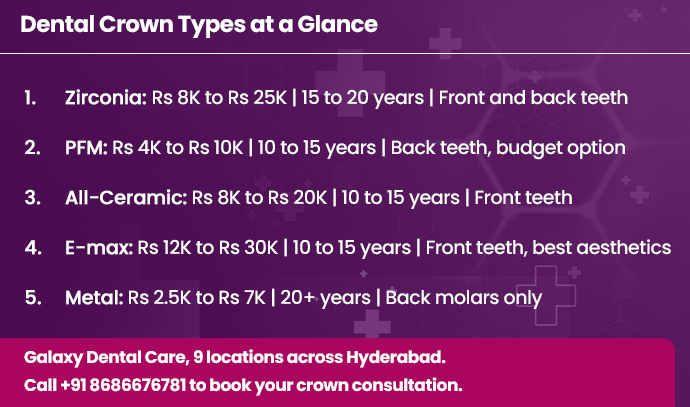
    Crown Type Cost in India Lifespan Best For
    Zirconia Rs 8,000 to Rs 25,000 15 to 20 years Front and back teeth, metal-sensitive patients
    PFM Rs 4,000 to Rs 10,000 10 to 15 years Back teeth, budget-conscious patients
    All-Ceramic Rs 8,000 to Rs 20,000 10 to 15 years Front teeth, metal-sensitive patients
    E-max Rs 12,000 to Rs 30,000 10 to 15 years Front teeth needing the most natural look
    Metal Rs 2,500 to Rs 7,000 20+ years Back molars, patients prioritising strength


    Prices are indicative ranges based on Indian market data. Final cost depends on tooth condition, lab used, and additional treatment needed. Consult your dentist near me for an accurate quote.

    Zirconia Crown

    Zirconia is a tooth-coloured ceramic with no metal inside. Strong enough for back teeth. Natural-looking enough for front teeth. It’s the only crown type that works well in both positions. Patients getting a dental crown in Hyderabad most often ask about zirconia first, and for good reason.

    • Cost: Rs 8,000 to Rs 25,000
    • Lifespan: 15 to 20 years with good care
    • Best for: Front and back teeth, patients with metal allergies
    • Honest limitation: Costs more than PFM and metal. Not all zirconia is equal — lab quality and grade affect the final result significantly.

    PFM Crown (Porcelain Fused to Metal)

    PFM means a metal base with a tooth-coloured porcelain layer on top. It’s been the most used crown type in India for decades. Solid strength, acceptable look, lower cost than zirconia.

    • Cost: Rs 4,000 to Rs 10,000
    • Lifespan: 10 to 15 years
    • Best for: Back teeth where strength matters more than aesthetics
    • Honest limitation: The metal base can create a thin dark line near the gumline as gums naturally recede. On back teeth this isn’t visible. On front teeth it becomes noticeable over time.

    All-Ceramic Crown

    All-ceramic means no metal anywhere in the crown. Made entirely from ceramic or porcelain. Looks natural, well-suited to front teeth.

    • Cost: Rs 8,000 to Rs 20,000
    • Lifespan: 10 to 15 years
    • Best for: Front teeth, patients who can’t have any metal in their mouth
    • Honest limitation: Not as strong as zirconia under heavy chewing pressure. Not recommended for back molars in patients with a heavy bite.

    E-Max Crown

    E-max is a glass-ceramic crown. It has the highest clarity of all crown types. That means it reflects light like natural enamel. If looks are your main concern, E-max is the closest to a real tooth.

    • Cost: Rs 12,000 to Rs 30,000
    • Lifespan: 10 to 15 years
    • Best for: Front teeth where a natural look is the priority
    • Honest limitation: Not strong enough for back teeth under heavy chewing. Can chip in high-bite positions. Only worth the cost if it’s going on a visible front tooth.

    Metal Crown

    Metal crowns are made from gold or alloy. They don’t look like natural teeth. But nothing lasts longer or handles bite pressure better. Dentists use them for back molars where strength matters and the crown stays out of sight.

    • Cost: Rs 2,500 to Rs 7,000
    • Lifespan: 20+ years
    • Best for: Back molars where durability is the only requirement
    • Honest limitation: Metallic colour. Not suitable for front teeth or any visible tooth.

    dental crown types galaxy

    Is the Most Expensive Crown Always the Best Choice?

    No. Price and quality aren’t always the same. The right crown depends on which tooth needs it, your bite, and what your dentist finds on exam.

    • Front teeth are visible when you smile. Looks matter. Zirconia, all-ceramic, or E-max are the right options. Metal’s ruled out. PFM works but may show a gum shadow over time.
    • Back molars take heavy chewing forces every day. Strength matters more than looks. PFM and metal both work well. Zirconia works too. E-max isn’t right for high-bite spots.
    • Metal allergy removes metal and PFM from the list. Zirconia or all-ceramic are the only options.
    • Tight budget doesn’t mean a bad crown. A well-placed PFM on a back tooth beats a poorly placed zirconia every time. Material matters. So does who places it.

    At Galaxy Dental Care, known as a trusted dental clinic in Hyderabad, we choose what fits your tooth and your case. Not the highest-cost option.

    What Affects the Dental Crown Cost in India?

    Material is the biggest cost driver. Everything else adds to it.

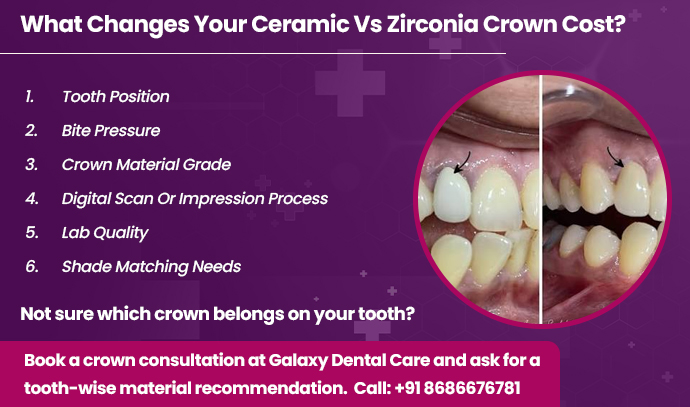
    • Material Choice. Zirconia and E-max cost more because the work is more precise. Metal costs the least because it needs fewer steps.
    • Which Tooth Needs The Crown. Front teeth need good-looking materials. Back teeth can use more basic options without losing function.
    • Root Canal Or Post-Core Beforehand. A root canal adds to the dental crown cost. So does a post and core. That’s a small pin placed inside the treated tooth to hold the crown. Both are sometimes needed first.
    • Lab Technology. Clinics using CAD/CAM, which is digital crown milling, make a more precise fit. They charge more. You get fewer tweaks and a better long-term result.
    • Number Of Crowns. Multiple crowns may be quoted differently. Ask for a full breakdown before agreeing.

    Your dentist confirms the cost after seeing the tooth and reviewing your X-ray.

    How Long Do Dental Crowns Last in India?

    Crown Type Average Lifespan
    Metal 20+ years
    Zirconia 15 to 20 years
    PFM 10 to 15 years
    All-Ceramic 10 to 15 years
    E-max 10 to 15 years


    Three things extend crown life:

    • Brush and floss daily around the crown edge
    • Avoid biting hard objects like ice, pens, or bottle caps
    • Get regular check-ups so your dentist can catch early wear before it becomes a problem

    Book a Dental Crown Consultation in Hyderabad

    If your dentist has recommended a crown, or you’re comparing options before your appointment, our prosthodontist team can assess your tooth condition, explain which crown type suits your case, and give you a clear cost breakdown.

    Galaxy Dental Care offers dental crown treatment in Hyderabad across 9 branches at Kondapur, Kukatpally, Banjara Hills, Chandanagar, Nallagandla, AS Rao Nagar, Kompally, Manikonda, and Vanasthalipuram. Open Monday to Sunday, 9 AM to 9 PM.

    Call +91 8686676781 or +91 8686616148 to book your dental crown consultation at the best dental clinic in Hyderabad.

    Frequently Asked Questions

    Which dental crown type is best for back teeth in India? 

    Zirconia and PFM both work well for back teeth. Metal is also a strong option if appearance isn’t a concern. Your dentist decides based on bite force, tooth condition, and how much natural tooth remains.

    Which crown is best for front teeth in India? 

    Zirconia, all-ceramic, and E-max are all good for front teeth. E-max gives the most natural look. Zirconia offers a balance of strength and aesthetics. PFM can work but may show a gumline shadow over time.

    Is zirconia crown worth the extra cost? 

    For most patients, yes. It lasts 15 to 20 years, suits both front and back teeth, contains no metal, and looks natural. The higher cost upfront usually means fewer replacements over time.

    Can I get a crown after root canal treatment? 

    Yes. A crown is usually recommended after root canal treatment, especially for back teeth. The root canal removes the tooth’s inner pulp, leaving it more brittle. A crown protects it from cracking under normal chewing pressure.

    How long does a dental crown last in India? 

    Metal crowns last 20+ years. Zirconia lasts 15 to 20 years. PFM, all-ceramic, and E-max typically last 10 to 15 years. Longevity depends on oral hygiene, bite habits, and regular dental check-ups.

    Does choosing the best dental clinic in Hyderabad affect crown quality? 

    Yes. Crown quality depends on the dentist’s skill, the lab used, and the material grade. A well-trained prosthodontist using a quality lab and precise fitting technique will produce a crown that lasts longer and feels more comfortable than one placed without proper planning.

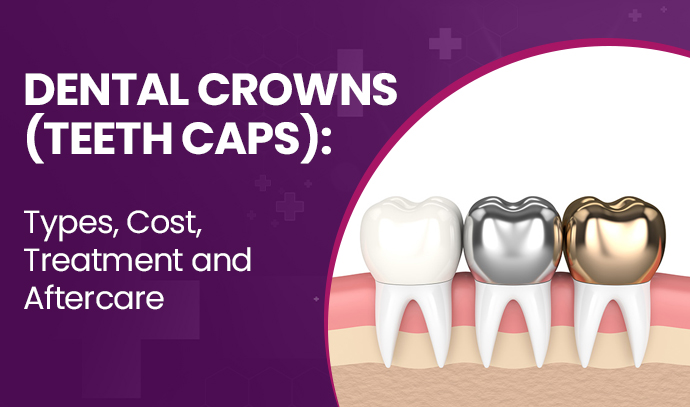
  • Dental Crowns (Teeth Caps): Types, Cost, Treatment and Aftercare

    Dental Crowns (Teeth Caps): Types, Cost, Treatment and Aftercare

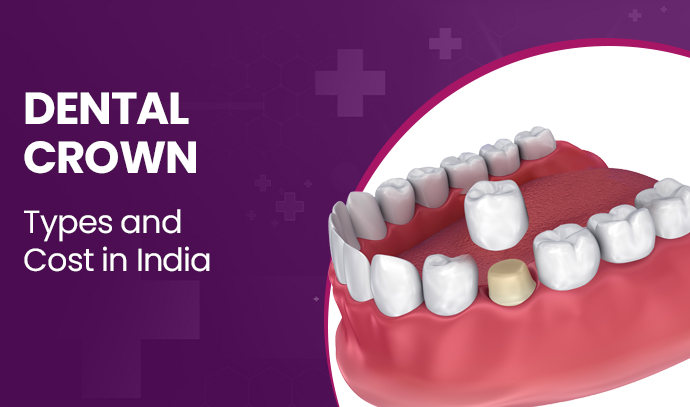
    A dental crown also called a teeth cap is a custom-made cover that fits over the entire visible part of a damaged tooth. It restores the tooth’s shape, strength and look so you can chew normally again. The right dental crowns treatment depends on which tooth is involved, how much natural tooth is left, your bite strength and what the finished crown needs to look like.

    At Galaxy Dental Care, Prosthodontist-led teams across 9 Hyderabad branches plan crown treatment only after examining the tooth, checking gum health and reviewing X-rays or CBCT scans where needed. The clinic has treated 100,000+ patients since starting in Kondapur in 2003.

    This guide by our experts covers every dental crown type available today, what the treatment involves and how to care for the crown once it’s placed.

    What Are the Types of Dental Crowns Available in Hyderabad?

    There are five main crown materials used in dental crown treatment in Hyderabad. Each one suits a different situation.

    • Zirconia Crowns

    Zirconia is a high-strength ceramic material. It’s metal-free, tooth-coloured and handles strong chewing pressure well. Most dentists near me in Hyderabad recommend zirconia as the standard option for both front and back teeth.

    Best for: Back molars needing strength, front teeth needing natural colour, teeth treated with root canal.

    • E-max (Lithium Disilicate) Crowns

    E-max is glass-ceramic. Light passes through it the way it does through real enamel, so it looks the most natural of all dental crowns types. It’s strong enough for front teeth and premolars but not recommended for heavy bite areas like back molars.

    Best for: Smile zone teeth, front six to eight teeth where appearance is the priority.

    • All-Ceramic Crowns

    All-ceramic crowns are metal-free and biocompatible. They look natural and work well for patients with metal sensitivity. They’re not as strong as zirconia under heavy bite force, so they’re used mainly for front teeth.

    Best for: Front teeth, patients who can’t have metal, cosmetic cases.

    • Porcelain-Fused-to-Metal (PFM) Crowns

    A PFM crown has a metal base with a porcelain outer layer. It matches the tooth colour, but over time a dark line can show at the gum edge as gums recede. This is a preferred choice at any best dental hospital in Hyderabad for back teeth where the edge isn’t visible.

    Best for: Back teeth where strength and a lower cost tier matter more than perfect aesthetics.

    • Metal Crowns

    Metal crowns, gold alloy or base metal are extremely durable. They’re the least likely to chip or fracture. They are used on back molars where they’re not visible because they don’t look like natural teeth.

    Best for: Hidden back molars in patients who grind heavily.

    Crown Type Comparison

    Material Best tooth position Strength Appearance Cost tier
    Zirconia Front and back Very high Natural Medium-high
    E-max Front and premolars High Excellent High
    All-ceramic Front teeth Medium Very natural Medium-high
    PFM Back teeth High Good Medium
    Metal Hidden molars Excellent Not tooth-coloured Low-medium

    How Is Dental Crown Treatment Done?

    Most dental crown treatment takes two visits. With one to two weeks gap between both the visits.

    Visit 1

    • The best dentist near me examines the tooth and reviews X-rays or scans.
    • Local anaesthesia is given so the area stays comfortable.
    • A small amount of enamel is removed from the top and sides of the tooth to make space for the crown.
    • An impression or digital scan of the shaped tooth is taken and sent to the lab.
    • A temporary crown is placed to protect the tooth.

    Between Visits : The lab makes the permanent crown in the chosen material. This takes one to two weeks for most cases.

    Visit 2

    1. The temporary crown is removed.
    2. The permanent crown is checked for fit, bite and colour.
    3. Small adjustments are made if needed.
    4. The crown is fixed with dental cement.
    5. Bite is confirmed and the procedure is complete.

    Most root canal treated teeth need a crown placed just after the treatment. The tooth becomes brittle over time without a nerve and can fracture even under a normal chewing. Skipping this step puts the treated tooth at risk.

    What Does a Dental Crown Cost in Hyderabad Depend On?

    The teeth caps cost in Hyderabad varies between ₹2000 and ₹30,000+ per tooth. It isn’t a fixed number because several factors like material, location, and the specific clinic you choose affect the final price.

    Cost Depends On:

    • Crown Material : Zirconia and E-max cost more than PFM or metal
    • Tooth Position : Front teeth need more aesthetic work, which takes more lab time
    • Zirconia Grade : Monolithic zirconia costs less than multilayer or high-translucency zirconia
    • Additional Treatment : If a post and core was needed first, that’s charged separately
    • Scans Required : OPG or CBCT where clinically needed
    • Lab Standards : Clinics using certified labs with digital workflows may charge differently

    How to Make a Dental Crown Last ? Aftercare Tips

    A well-placed crown lasts many years but only if the basics daily care and food habits are followed consistently. 

    Daily Care Includes:

    • Brush twice daily using a soft-bristled toothbrush
    • Floss carefully around the crown margin every day 
    • Use a fluoride toothpaste

    Foods Habits:

    • Avoid biting on ice, hard candy, or very sticky foods with the crowned tooth
    • Don’t use crowned teeth to tear packaging or open anything

    Warning Signs : Visit the Dentist If:

    • The crown feels high on the bite
    • The crown feels loose or moves
    • There’s sharp pain or sensitivity that doesn’t settle after a few days
    • The gum around the crown looks swollen or bleeds repeatedly

    Follow-Up Visits: 

    Regular dental check-ups at the best dental clinic in Manikonda let the dentist examine the crown margin, check gum health around it and confirm the bite hasn’t changed. Don’t skip these, especially in the first year after placement.

    Choose Galaxy Dental Care for Dental Crown Treatment in Hyderabad

    Galaxy Dental Care has placed 15,000+ implants and managed 2,000+ aligner cases. Our clinical team of 25+ full-time multi-specialty dentists specialise in crowns, bridges, dentures and full mouth rehabilitation.

    We offer prosthodontist-led crown planning across 9 Hyderabad branches including Manikonda, Kondapur, Kukatpally, Banjara Hills, Chandanagar, Nallagandla, AS Rao Nagar, Kompally and Vanasthalipuram.

    • Open Monday to Sunday, 9 AM to 9 PM

    Book a consultation at your nearest Galaxy Dental Care branch in Hyderabad. Call +91 8686676781. 

    Frequently Asked Questions

    Which dental crown type is best for a front tooth?

    Zirconia (multilayer or high-translucency) and E-max are both strong choices for front teeth. E-max looks the most natural because light passes through it like real enamel. Your dentist checks your bite, remaining tooth structure and aesthetic needs before recommending one.

    Do I need a crown after root canal treatment?

    In most cases, yes. A root canal-treated tooth loses its nerve and moisture supply over time, making it brittle. A crown protects it from fracturing under normal chewing pressure. Skipping the crown increases the risk of the tooth cracking and needing removal.

    How long does dental crown treatment take?

    Two visits, spaced one to two weeks apart. The first visit shapes the tooth and takes an impression. The second visit fits and fixes the permanent crown. Total chair time across both visits is usually under three hours.

    Is dental crown treatment painful?

    The procedure is done under local anaesthesia, so the tooth and surrounding area stay comfortable during preparation. Some patients feel mild sensitivity for a few days after placement. Teeth treated with root canal don’t have sensitivity because the nerve is already removed.

    Can the tooth under a crown get decay?

    The crown itself can’t decay, but the natural tooth underneath can. The junction where the crown meets the tooth at the gum line is the most vulnerable spot. Daily brushing, flossing at the crown margin and regular dental check-ups keep this area clean.

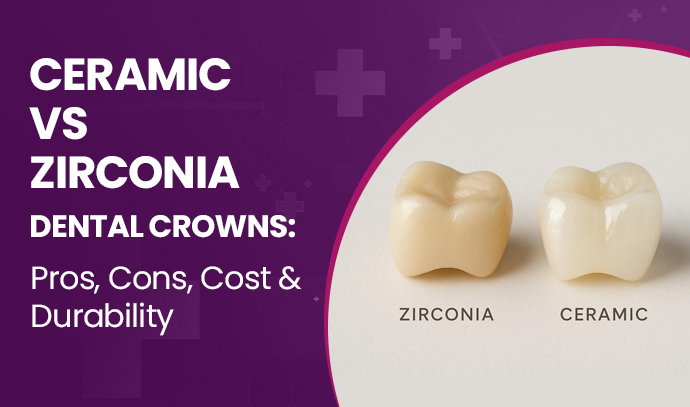
  • Ceramic vs Zirconia Dental Crowns: Pros, Cons, Cost & Durability

    Ceramic vs Zirconia Dental Crowns: Pros, Cons, Cost & Durability

    The wrong crown material can chip early, look dull, or cost more later. Ceramic crowns look more natural and suit front teeth. Zirconia crowns are stronger and last longer so suits back teeth better. 

    Yet the right choice at Galaxy Dental Care depends on your tooth position, bite force, X-ray scan, and budget. This helps the dentist match the crown to the tooth.

    This blog by our expert dentists with over 23 years of experience explains ceramic vs zirconia dental crowns: pros, cons, cost difference, durability, and which crown suits which tooth.

    What Are The Pros And Cons Of Ceramic Vs Zirconia Dental Crowns?

    Ceramic crowns are usually made from porcelain or lithium disilicate. It has a glass-like finish. Light passes through it in a way that looks close to natural enamel. Zirconia is made from zirconium dioxide which is a very strong dental material. It is used when the crown has to handle chewing, grinding, or heavy bite force.

    So the choice is not about which crown is “better.” The better crown is the one that suits the tooth. 

    Where Ceramic Crowns Work Better?

    Front teeth are seen when you smile, speak, or laugh and ceramic crowns are often preferred for front teeth. Ceramic helps with blending and are also metal-free. They do not create a dark line near the gums like some older metal-based crowns.

    Ceramic may be a good choice when:

    • The crown is for a front tooth
    • The tooth is visible when you smile
    • The bite pressure is not very high
    • You want a natural shade match
    • You do not grind your teeth heavily

    The result can look very close to a natural tooth when the case is planned well.

    Where Zirconia Crowns Work Better? 

    Zirconia crowns advantages start with strength. Zirconia handles chewing force better than ceramic. It is less likely to chip on back teeth. It also works well for people who grind or clench their teeth.

    Zirconia may be a good choice when:

    • The crown is for a back tooth
    • The tooth carries heavy bite pressure
    • You have teeth grinding
    • The crown is placed over an implant
    • You want a longer-lasting option

    Zirconia is also metal-free. It does not show a grey line at the gum edge.

    There are two common types:

    Zirconia Type What It Means Best Used For
    Monolithic zirconia Made from one strong block Back teeth and grinders
    Layered zirconia Zirconia base with ceramic finish Front teeth and visible premolars

    How Much Do Ceramic And Zirconia Crowns Cost In Hyderabad And Which Lasts Longer?

    Ceramic vs zirconia dental crowns costs in Hyderabad often overlap. The real price difference depends on the crown grade, lab quality, and tooth condition.

    Ceramic crowns usually cost less than layered zirconia. Here is a simple cost range.

    Crown Type Approximate Cost Per Tooth In Hyderabad Average Lifespan
    Ceramic crown ₹8,000 to ₹15,000 10 to 15 years
    Monolithic zirconia crown ₹8,000 to ₹14,000 15 to 20 years
    Layered zirconia crown ₹14,000 to ₹25,000 15 to 25 years


    Note: These are general ranges. Your final Ceramic vs Zirconia Dental Crowns Costs can change after the dentist near me checks the tooth.

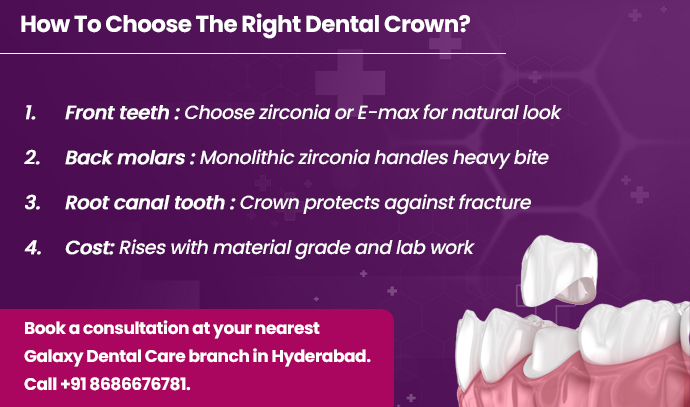
    Which Crown Is Right For Your Tooth? A Dentist’s Simple Guide

    The tooth location decides most crown choices. Front teeth need better appearance. Back teeth need better strength. That is the easiest rule to decide.

    For A Front Tooth: Ceramic or layered zirconia usually works better. Ceramic gives a natural finish. Layered zirconia gives strength with a better outer finish.

    If appearance matters most, ceramic can be a good option. If you want more strength with a natural look, layered zirconia from a dental clinic in Hyderabad may suit better.

    For a back molar, monolithic zirconia is usually the stronger choice.

    Back molars do the heavy chewing. They face more pressure than front teeth and zirconia is safer for long-term chewing strength.

    If You Grind Your Teeth: Grinding creates strong pressure while you sleep. Ceramic may not survive that force for long. Zirconia is usually a better choice.

    Your dentist at the best dental clinic near me, may also suggest a night guard after crown treatment. That protects the crown and your natural teeth.

    If The Crown Is On A Dental Implant: An implant does not move like a natural tooth root. The crown above it takes direct bite force. Zirconia handles this better in many cases.

    Get Your Dental Crown Done Right At Galaxy Dental Care, Hyderabad

    Ceramic and zirconia are both good crown materials. Your dentist should not choose only by price. The crown should match the tooth, bite, gum line, smile visibility, to get the best dental crown in Hyderabad for your case.

    At Galaxy Dental Care, the crown planning may include:

    • Tooth examination
    • Bite check
    • X-ray or scan review when needed
    • Material discussion
    • Shade selection
    • Crown preparation
    • Temporary crown if required
    • Final crown fitting
    • Bite adjustment before you leave

    For dental crown treatment in Hyderabad, our expert dentist checks the tooth first and then explains whether ceramic, monolithic zirconia, or layered zirconia suits that tooth. This keeps the discussion tied to function, appearance, and cost.

    If you are searching for a dental hospital near me, book your visit at Galaxy Dental Care. Call: +91 8686676781 

    Frequently Asked Questions

    1) Which Is Better: Ceramic Or Zirconia Dental Crown?

    Ceramic is better for natural-looking front teeth. Zirconia is better for strong back teeth. The right crown depends on tooth position, bite pressure, and grinding habit.

    2) What Are The Main Zirconia Crowns Advantages?

    Zirconia crowns are strong, metal-free, and long-lasting. They work well for back teeth, implant crowns, and patients who grind their teeth.

    3) How Much Do Ceramic Vs Zirconia Dental Crowns Cost In Hyderabad?

    Ceramic crowns usually cost ₹8,000 to ₹15,000 per tooth. Monolithic zirconia may cost ₹8,000 to ₹14,000. Layered zirconia may cost ₹14,000 to ₹25,000.

    4) How Do I Choose The Best Dental Crown In Hyderabad?

    Choose a crown after a dentist checks your tooth, bite, gum line, and X-ray or scan records. Do not choose only by price. Ask for the material name, grade, lifespan, and full cost breakup.