Call Back

+91 86866 76781

24/7 Emergency Phone
Clock

Monday – Sunday

9AM – 9PM

Tooth Protection | Strong Bite | Natural Shape

Dental Crowns


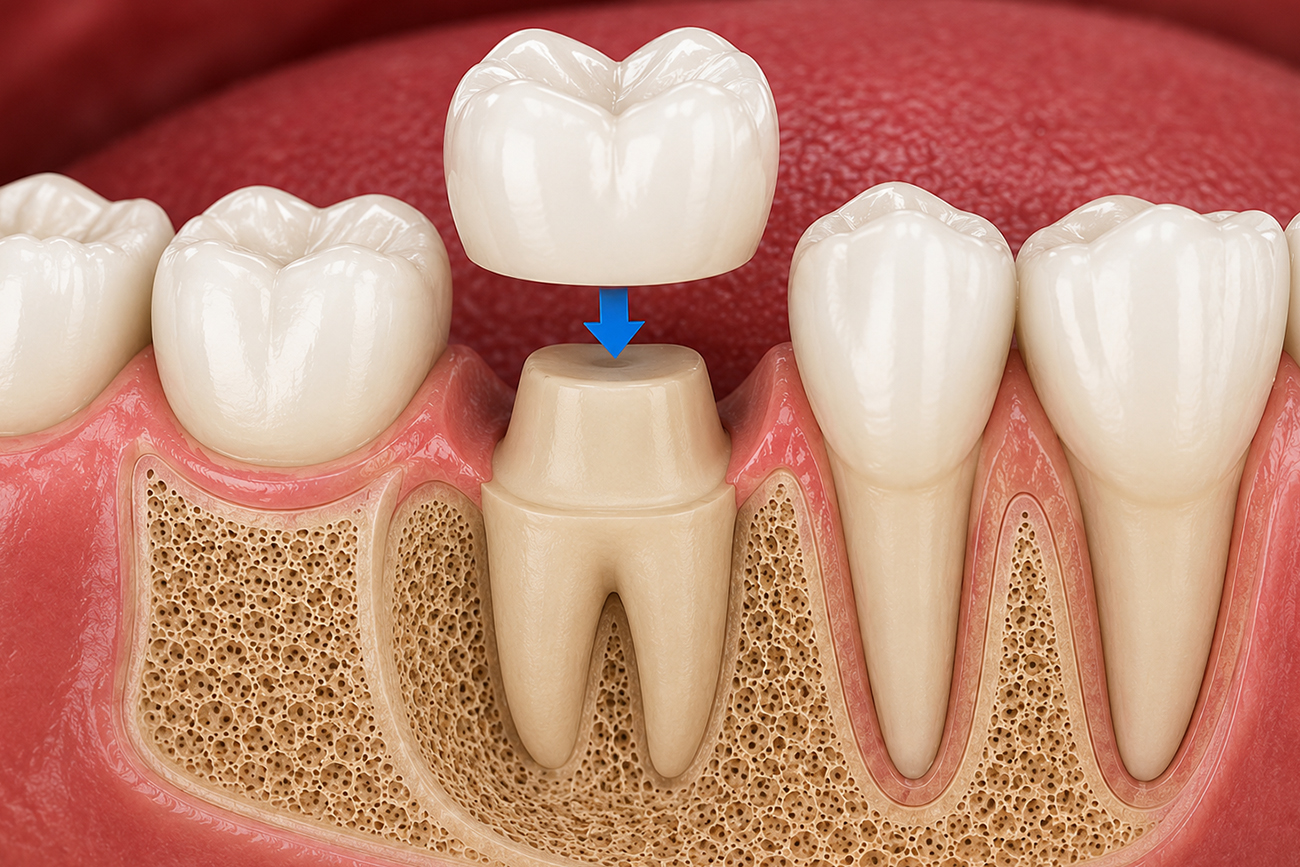
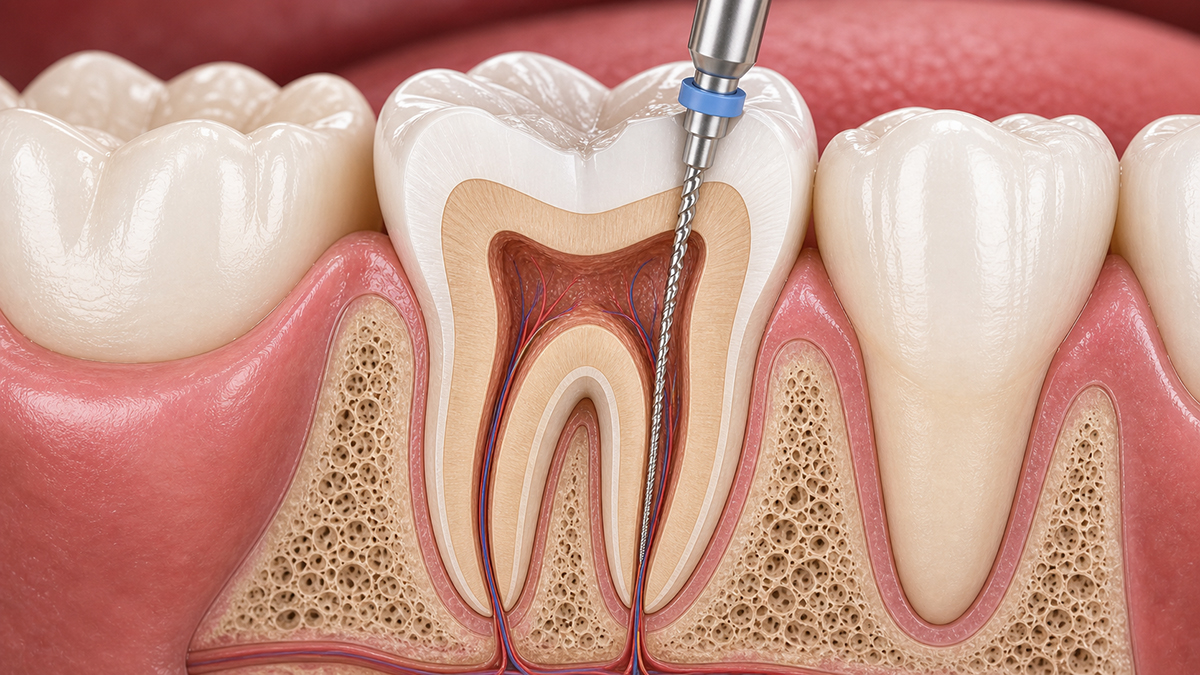
A cracked, heavily filled, or root canal treated tooth can suddenly feel weak while chewing. Dental Crowns in Kompally are custom caps that cover the tooth and restore its strength and shape. Galaxy Dental Care offers this across 9 branches in Hyderabad, including Kompally. You review shade and material options before preparation, and the dentist explains how each suits your bite and habits. A prosthodontist or crown-focused general dentist usually plans and supervises this treatment.

8200

Patients Recovered

10

Average Waiting Time

5

Satisfaction Rating

Dental Crowns
Prosthodontist-Planned Crown Care

Prosthodontist-Planned Crown Care

Assessed and delivered by trained dentists across all Hyderabad branches.

Call Back
Need a Dental Service?

+91 86866 76781

Clock
Visiting Hours

Mon - Sun 9 AM to 9 PM

What Is

Dental Crowns?

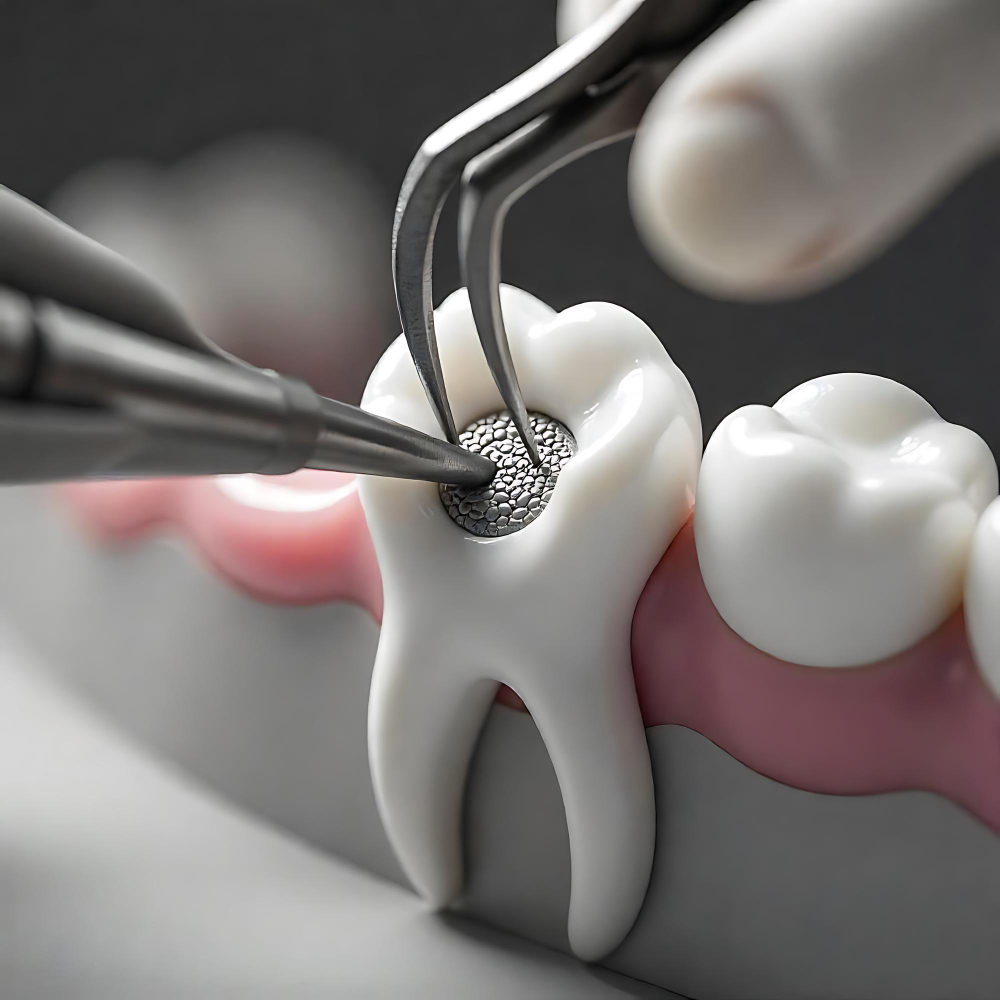
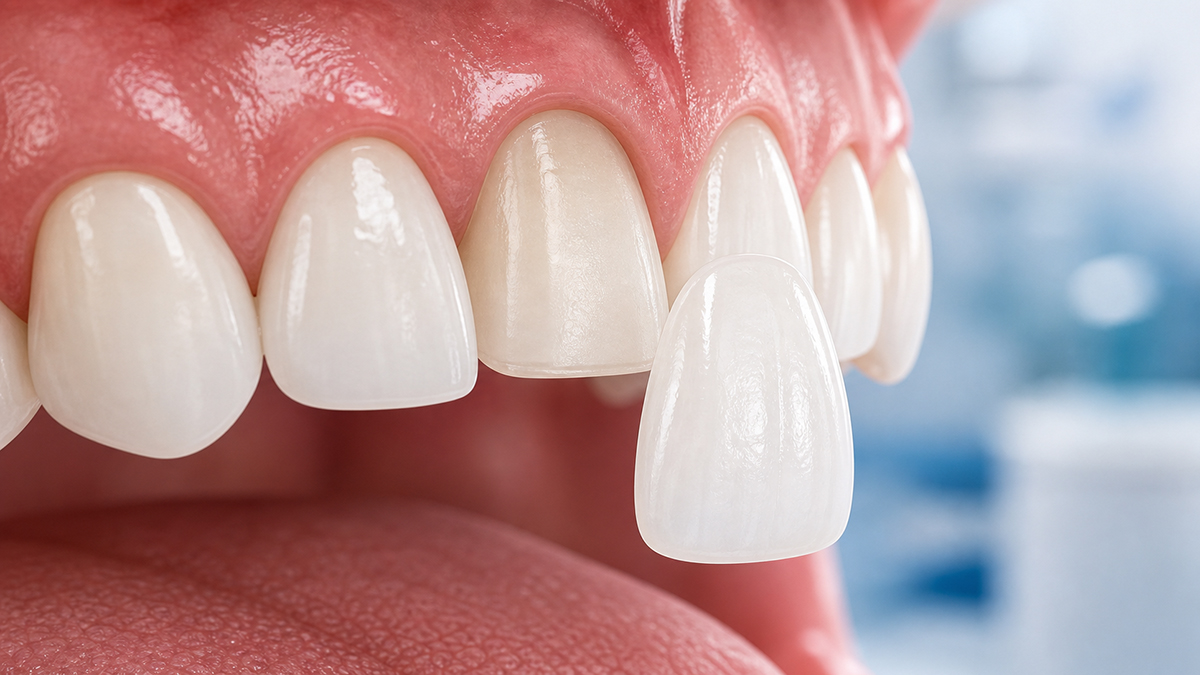
A dental crown is a custom-made cap that covers and protects a damaged or heavily filled tooth. The dentist reshapes the tooth, takes precise impressions, and a lab fabricates the crown to fit your bite. Crowns do not usually need surgery but may follow treatments like root canals. They restore chewing strength, protect cracked enamel from further fracture, and improve the tooth’s appearance in colour and alignment.

Porcelain fused crowns

Porcelain fused crowns


Porcelain fused crowns have a metal core with tooth-coloured ceramic outside, suiting back teeth where strength and reasonable appearance are both important.

All ceramic crowns

All ceramic crowns


All ceramic crowns use metal free materials like zirconia, suiting front teeth or patients prioritising superior aesthetics and reduced metal visibility.

Dental Crowns?

Who Needs

Dental Crowns?

A prosthodontist or crown-trained dentist confirms suitability by assessing remaining tooth structure, bite, habits, and gum health. Many patients in Kompally consider crowns after large decay, fractures, or old fillings that no longer feel secure.

Tooth broken after decay

A tooth that has lost much structure from deep decay often needs a crown, because simple fillings cannot safely hold the remaining weak enamel.

Tooth broken after decay

Teeth worn or flattened

Severely worn or flattened teeth from grinding or misaligned bite often require crowns to rebuild height and protect deeper layers from further abrasion.

Teeth worn or flattened
Dental Crowns?
Avoiding tooth removal surgery

Avoiding tooth removal surgery

Patients who prefer to save a compromised tooth instead of extraction may choose crowns to reinforce structure while avoiding immediate surgical replacement options.

Old caps or fillings failing

Old caps or fillings failing

Existing crowns or large restorations that loosen, fracture, or develop gaps over time usually need replacement crowns to restore reliable fit and prevent food trapping.

Medical history limiting surgery

Medical history limiting surgery

Patients with medical conditions where surgery is higher risk may be advised crowns instead of implants, as crowns preserve teeth without additional surgical steps.

Medical history limiting surgery

Medical history limiting surgery

Patients with medical conditions where surgery is higher risk may be advised crowns instead of implants, as crowns preserve teeth without additional surgical steps.

Types of

Dental Crowns at Galaxy Dental Care

The dentist recommends the right crown type after assessing tooth position, remaining structure, bite pattern, and aesthetic expectations. Material, colour, and strength are matched carefully. Not every patient is a candidate for every type.

Single tooth crown

Single tooth crown

A single tooth crown covers one damaged tooth above the gumline, protecting it after large decay or a root canal while matching nearby teeth closely.

Multiple adjacent crowns

Multiple adjacent crowns

Multiple adjacent crowns restore several side by side teeth, useful when decay or wear affects a small segment and chewing contact needs coordinated rebuilding.

Full arch crowns

Full arch crowns

Full arch crowns rebuild most or all teeth in one jaw, planned to balance bite, jaw movement, and long term distribution of chewing forces.

Implant supported crowns

Implant supported crowns

Implant supported crowns replace missing teeth by attaching to Dental Implants, offering improved stability because the crown anchors into bone instead of neighbouring teeth.

How Does

Dental Crowns Treatment Work?

Diagnosis And Tooth Preparation starts with clinical examination and X rays, so the dentist checks cracks, decay depth, and nerve status. Impressions or digital scans capture exact shape, and shade guides help choose colour. You review material choices and expected lifespan before the tooth is shaped under local anaesthesia and a temporary crown is placed for protection.

Diagnosis And Tooth Preparation

Crown Fitting Visit involves removing the temporary crown, then placing the final one and checking the contact points, bite, and margins. The dentist adjusts high spots so chewing feels even. You test phonetics and appearance in a mirror. A review appointment confirms that gums settle well and the crown feels part of your regular bite.

Crown Fitting Visit
Dental Crowns vs Dental Implants

Which Is Right for You?

Dental Crowns vs Dental Implants


Both options aim to restore chewing and appearance but differ in procedure steps, support in bone, and overall treatment time and cost.

Dental crowns use your existing tooth as support, after reshaping it to accept a cap. Crowns work well when enough healthy root and surrounding bone remain. A limitation is that if the tooth later fails, further treatment like extraction and replacement is still needed.

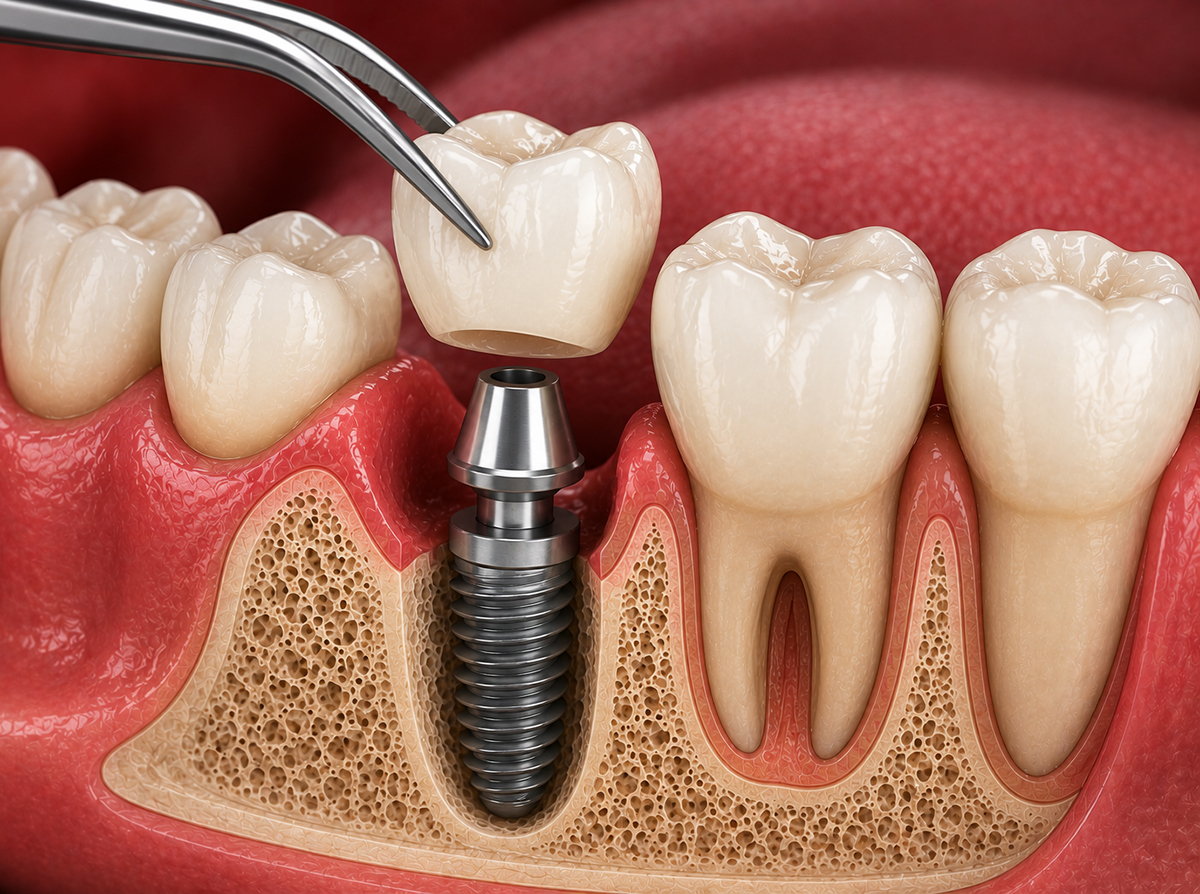
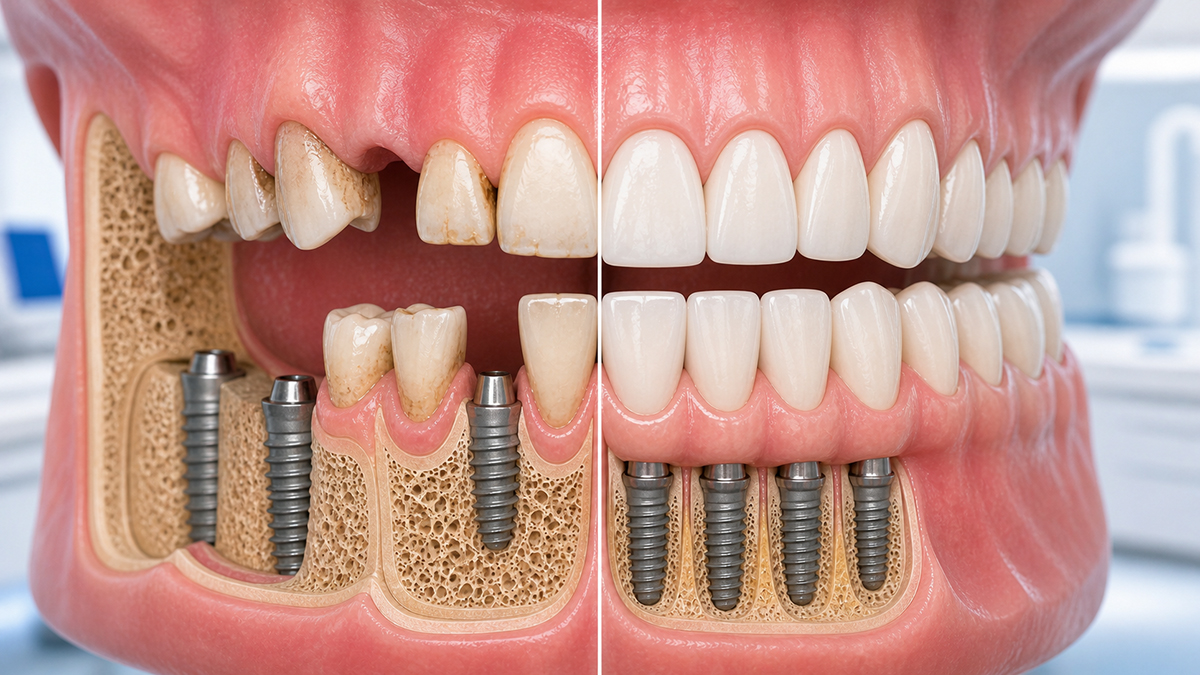
Dental implants replace the missing tooth root with a titanium fixture in bone, then support a crown above. Implants do not depend on neighbouring teeth for strength and help preserve bone height. They usually involve surgery, healing time, and more appointments, but they avoid preparing adjacent healthy teeth.

A crown or implant focused dentist confirms the right option after clinical examination, X rays, and, if needed, scans for bone evaluation.

What Happens at

Your First Dental Crowns Consultation?

Patients searching Dental Crowns near me in Kompally use this visit to confirm suitability, discuss crown type, and understand each stage of preparation, temporary crown, final fit, and follow up visits.

Examination 1

Examination


The dentist checks each tooth’s cracks, fillings, bite contacts, and gum levels, then studies X rays for root health and bone support.

History 2

History


Medical conditions, medications, grinding habits, and previous dental experiences are discussed to plan anaesthesia, material choice, and long term protection strategies.

Records 3

Records


The dentist takes impressions or digital scans and photographs to guide lab fabrication and document your original tooth colour, alignment, and smile line.

Planning 4

Planning


Material, shade, and coverage design are finalised with you, reviewing sample shades or previous cases before scheduling tooth preparation appointments.

Guidance 5

Guidance


You receive written instructions about temporary crown care, chewing precautions, pain control options, and scheduled dates for crown try in and final cementation.

Why Galaxy Dental Care For

Dental Crowns in Kompally?

A prosthodontist or crown-focused general dentist manages Dental Crowns for patients in Kompally.

Specialists regularly perform detailed tooth preparation, impression taking, temporary crown fitting, and final cementation with precise bite adjustments.

Multiple material and design choices, explained clearly, including porcelain fused, all ceramic, and implant supported options linked with our Types of Dental Crowns section.

Lab and chairside trial stages with shade and fit checks give you a review opportunity before final fixing.

Structured follow up schedule after cementation, so sensitivity, bite comfort, and gum response are checked and documented.

Open Monday to Sunday, 9 AM to 9 PM, for crown consultations, preparation visits, reviews, and emergency checks.

Dental Crowns in Kompally?

Aftercare And

Recovery for Dental Crowns

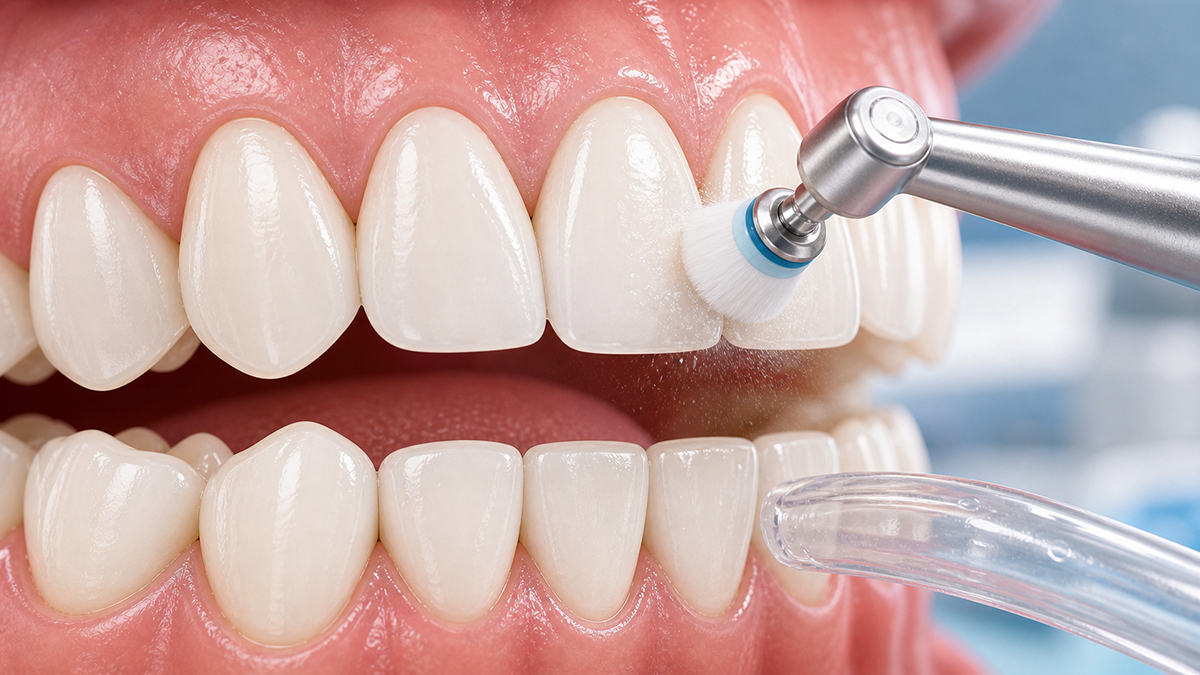
Mild sensitivity to hot, cold, or pressure after crown work is common and usually settles as the tooth adapts. Gums around the crown may feel tender for a short period. Most patients return to routine activities the same day. The dentist explains how to chew carefully on a temporary crown and what to expect once the permanent crown is fixed.
1

Avoid chewing hard or sticky foods on the treated tooth for the first day after each appointment.

2

Brush gently around the crown margins twice daily and floss carefully to keep the gum edges clean and healthy.

3

Skip very hard nuts, ice chewing, or using teeth to open packets, which can overload or chip the crown edges.

4

Call the clinic or book a visit promptly if the crown feels high, loose, or causes persistent pain when biting.

Icon

Our Dental Services

All Dental Treatments
Under One Roof

Testimonials

Book Your Dental Care
Appointment Now!

Mon-Sun 9:00am - 9:00pm
Call Us On +91 86866-76781

Visit Us

Choose The Nearest Dental Clinic Branch, Pick A Service And Time Slot.

icon

Frequently Asked Questions

Get clear answers on appointments, treatment steps, scans, safety, and follow ups.

Most patients adapt to a new crown’s shape and bite within a few days, though minor high points may need one adjustment visit for perfect comfort.

A well fitted crown should feel firm during chewing, similar to a natural tooth, and any rocking, looseness, or persistent pain requires prompt review at the clinic.

Brush twice daily with a soft brush and fluoride paste, floss carefully around the crown margins, and consider interdental brushes if the dentist recommends them for tight contact areas.

Dental crowns are designed for long term use, but replacement can be needed if decay forms at edges, habits like grinding worsen, or gum levels change.

The cost depends on crown material, number of teeth involved, need for root canal or Dental Fillings, lab technology used, and follow up appointments.

Book Your Appointment

for a Healthier, Brighter Smile


Appointment

Request a
Call Back

Call Back

WhatsApp