Call Back

+91 86866 76781

24/7 Emergency Phone
Clock

Monday – Sunday

9AM – 9PM

Pain Relief | Expert Extraction | Quick Recovery

Wisdom Teeth Removal


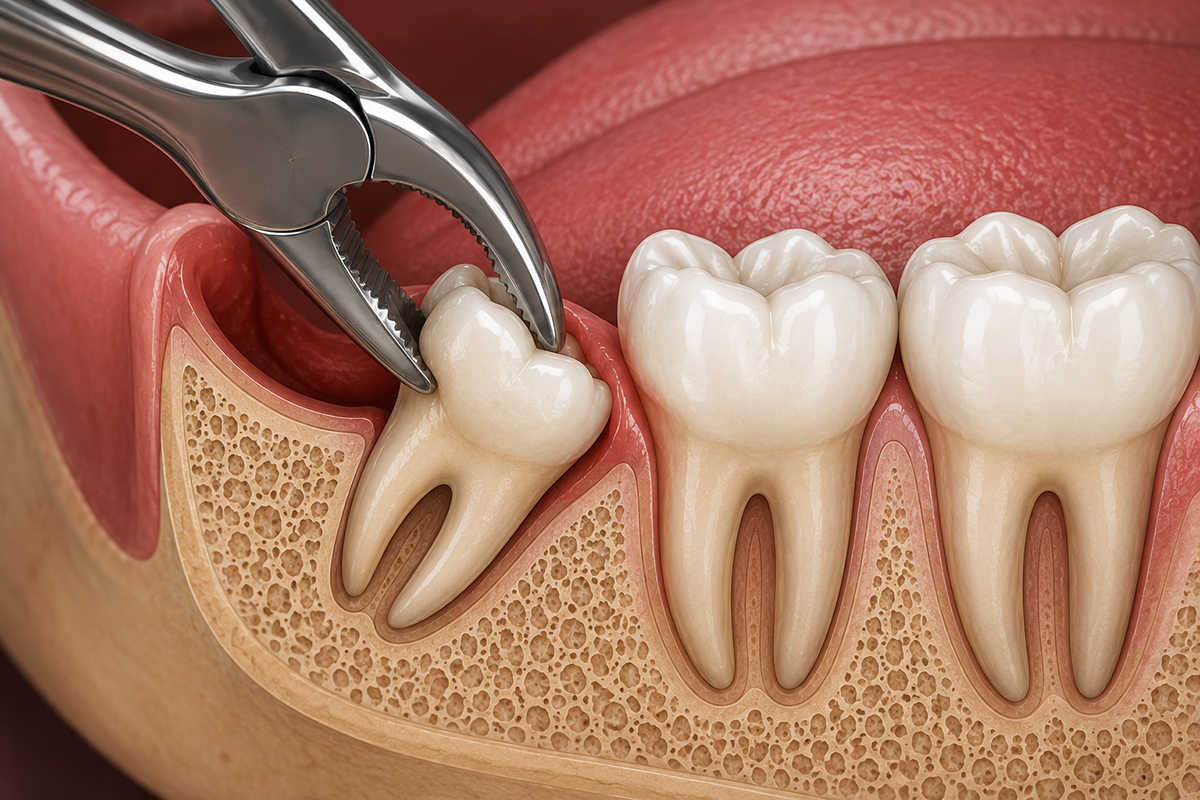
When a wisdom tooth presses against its neighbour or hides beneath bone, the result is often swelling, pain, or repeated infection. Wisdom Teeth Removal in Manikonda is the surgical or simple extraction of these third molars to protect surrounding teeth and relieve symptoms. Galaxy Dental Care offers this service at its Manikonda branch and across 9 branches spanning Hyderabad. Each case is assessed by an oral and maxillofacial surgeon who reviews your X-rays, medical history, and symptoms before recommending extraction or monitoring.

8200

Patients Recovered

10

Average Waiting Time

5

Satisfaction Rating

Wisdom Teeth Removal
Surgeon-Planned Extraction Care

Surgeon-Planned Extraction Care

Assessed and delivered across all Hyderabad branches.

Call Back
Need a Dental Service?

+91 86866 76781

Clock
Visiting Hours

Mon - Sun 9 AM to 9 PM

What Is

Wisdom Teeth Removal?

Wisdom Teeth Removal is the extraction of one or more third molars, the last teeth to emerge at the back corners of the mouth. These teeth often lack space to grow properly, leading to impaction, crowding, or infection of surrounding gum and bone. The procedure does not require an overnight hospital stay in most cases. It restores comfort, prevents damage to adjacent teeth, and removes a source of recurring inflammation. At Galaxy Dental Care, the oral surgery team uses clinical examination and imaging to determine whether simple forceps extraction or surgical removal is appropriate for each tooth.

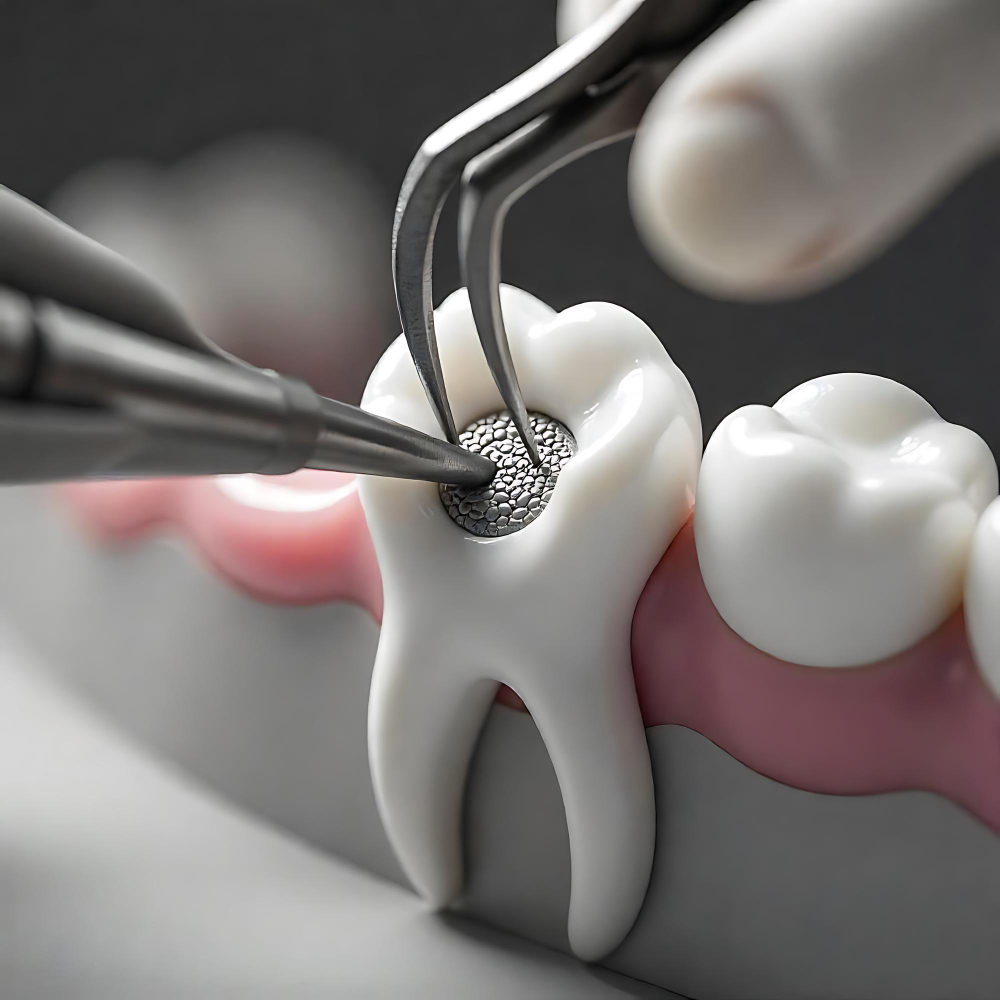
Simple Extraction

Simple Extraction


Simple extraction is performed when the wisdom tooth has fully erupted and can be grasped and removed with standard dental forceps under local anaesthesia.

Surgical Extraction

Surgical Extraction


Surgical extraction is used when the tooth is impacted, partially covered by bone or gum, and requires incision and sectioning before removal.

Wisdom Teeth Removal?

Who Needs

Wisdom Teeth Removal?

An oral and maxillofacial surgeon confirms suitability after clinical and radiographic assessment. Patients consider this treatment when pain, infection, or crowding signals that a wisdom tooth is not viable.

Impacted Wisdom Tooth

A wisdom tooth trapped beneath gum or bone causes pressure and pain, often leading to infection and extraction to protect neighbouring teeth.

Impacted Wisdom Tooth

Repeated Gum Infection

Partially erupted wisdom teeth trap bacteria and food, triggering pericoronitis that antibiotics alone cannot resolve long term.

Repeated Gum Infection
Wisdom Teeth Removal?
Patient Prefers Removal

Patient Prefers Removal

Some patients choose proactive extraction before symptoms worsen, especially when orthodontic treatment or travel demands predictable timing.

Worn or Damaged Filling Nearby

Worn or Damaged Filling Nearby

Pressure from an erupting wisdom tooth can crack adjacent molars or dislodge restorations, prompting removal to preserve prior dental work.

Medical History Consideration

Medical History Consideration

Patients with diabetes or immune conditions may opt for planned extraction to avoid emergency surgery during an acute infection.

Medical History Consideration

Medical History Consideration

Patients with diabetes or immune conditions may opt for planned extraction to avoid emergency surgery during an acute infection.

Types of

Wisdom Teeth Removal at Galaxy Dental Care

The oral surgeon recommends the right approach after assessing impaction depth, root curvature, proximity to the inferior alveolar nerve, and bone density. Not every patient is a candidate for every type.

Single Tooth Extraction

Single Tooth Extraction

This removes one problematic wisdom tooth, often under local anaesthetic, with gauze packing to control bleeding and protect the socket.

Multiple Tooth Extraction

Multiple Tooth Extraction

This addresses two or more wisdom teeth in one visit, reducing overall recovery time and coordinating care for patients with limited leave.

Full Quadrant Extraction

Full Quadrant Extraction

This clears all third molars from one side of the mouth, balancing bite forces while allowing the other side to chew during healing.

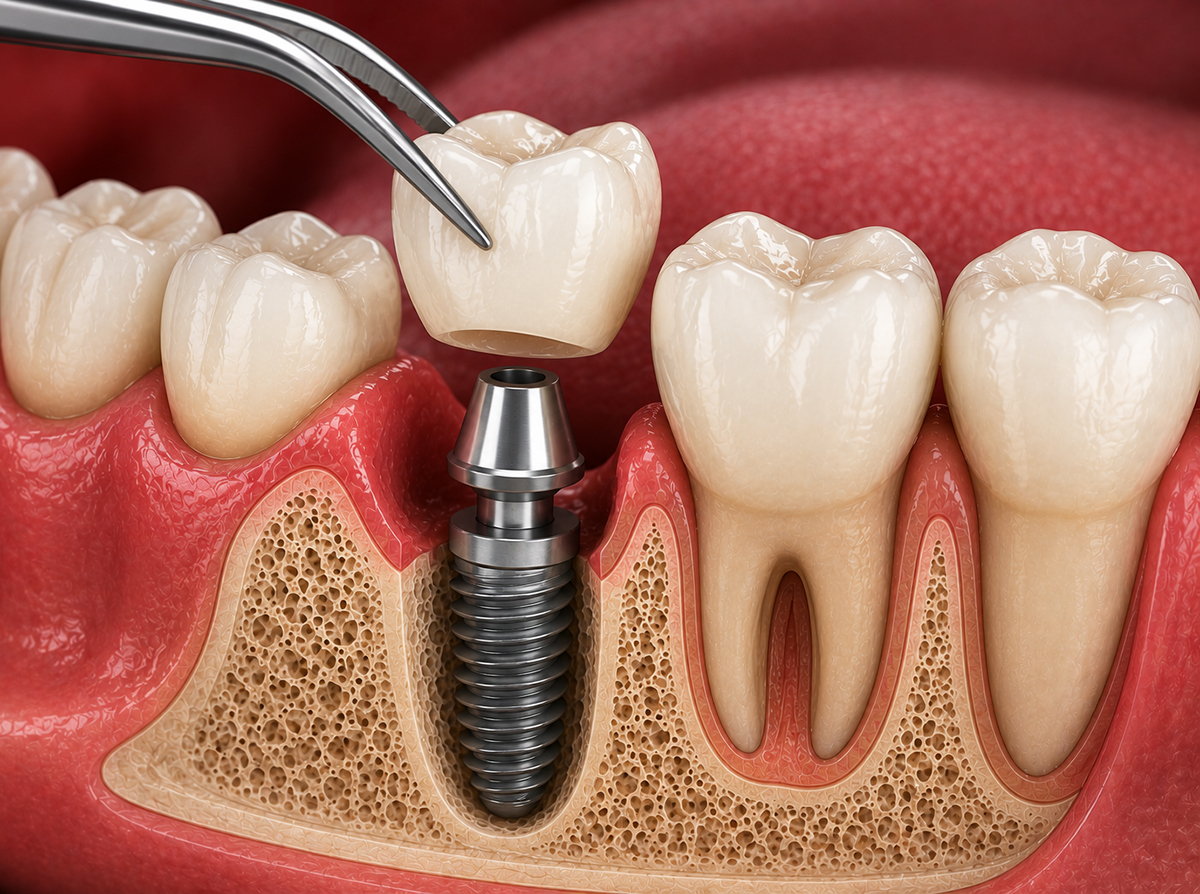
Implant-Supported Replacement

Implant-Supported Replacement

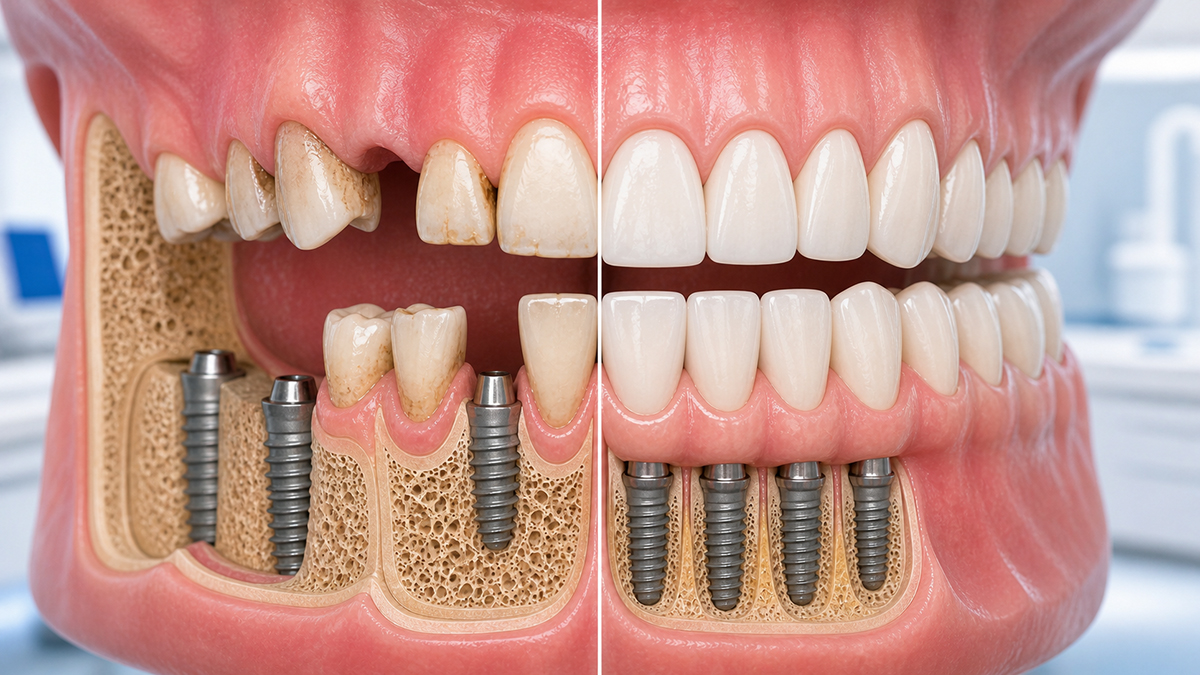
This anchors a prosthetic tooth into the jawbone where extraction left a functional gap, offering improved stability over removable alternatives.

How Does

Wisdom Teeth Removal Treatment Work?

Preoperative Assessment begins with a detailed oral examination and panoramic X-ray or CBCT scan to map tooth position, root shape, and nerve proximity. The surgeon reviews your medical history, current medications, and any allergies. You receive a written treatment plan with extraction type, anaesthesia options, and preoperative instructions such as fasting if sedation is chosen. This phase ensures every risk is identified before the day of surgery.

Preoperative Assessment

Extraction and Recovery involves administering local or sedation anaesthesia, removing the tooth with forceps or surgical instruments, and placing dissolvable sutures if needed. The surgeon checks the socket for complete removal and applies gauze to form a clot. You are monitored briefly, then discharged with medication and care instructions. A review visit is scheduled to confirm healing, and the team remains available for any concerns during the first week.

Extraction and Recovery
Wisdom Teeth Removal vs Monitoring

Which Is Right for You?

Wisdom Teeth Removal vs Monitoring


Both approaches address the same core problem, wisdom tooth risk, but differ in timing, intervention level, and cost. Simple extraction suits fully erupted teeth with straight roots and clear access, offering lower cost and faster recovery, though it still carries standard surgical risks like dry socket. Surgical extraction is necessary for impacted or deeply positioned teeth, requiring bone removal and longer healing, but it prevents future damage that monitoring cannot reverse. The oral and maxillofacial surgeon confirms the right option after clinical examination, radiographic review, and discussion of your symptoms and schedule.

What Happens at

Your First Wisdom Teeth Removal Consultation?

Patients searching "Wisdom Teeth Removal near me" in Manikonda find that this first visit determines suitability, recommended extraction type, and what the full process involves from scan to follow-up.

Examination 1

Examination


The surgeon inspects gum swelling, tooth position, and jaw opening range to assess extraction complexity.

History Review 2

History Review


Medical conditions, blood thinners, and prior anaesthesia reactions are checked to plan safe care.

Imaging 3

Imaging


Digital panoramic or CBCT imaging reveals root curvature, bone density, and nerve proximity before surgery.

Planning 4

Planning


Extraction method, anaesthesia choice, and appointment timing are confirmed with you before proceeding.

Instructions 5

Instructions


Postoperative care, diet restrictions, and review scheduling are explained, with contact details for urgent questions.

Why Galaxy Dental Care For

Wisdom Teeth Removal in Manikonda?

Our oral surgeons manage extraction cases for patients in Manikonda with specialist training in impacted and routine third molar removal.

Expertise in surgical and simple extraction protocols, including flap elevation and bone trimming when required.
Range of options from single tooth to full quadrant removal, detailed in the Types of Wisdom Teeth Removal section above.
Mandatory imaging review and informed consent before any extraction, with nerve mapping for high-risk cases.
Postoperative support including medication guidance, emergency contact, and scheduled review to monitor socket healing.
Open Monday to Sunday, 9 AM to 9 PM, for consultations, follow-up visits, and urgent assessment slots.

Wisdom Teeth Removal in Manikonda?

Aftercare And

Recovery for Wisdom Teeth Removal

Expect mild swelling, jaw stiffness, and some oozing for 24 to 48 hours after extraction. Most patients resume soft foods within two days and normal routines within a week, though surgical cases may need longer. The surgeon reviews healing at a follow-up visit.

1

Apply cold packs to the cheek for 15 minutes on and off during the first day.

2

Rinse gently with warm salt water after 24 hours, avoiding vigorous spitting.

3

Avoid straws, smoking, and hard foods that could disturb the blood clot.

4

Attend the scheduled review or call if bleeding persists beyond 24 hours.

Icon

Our Dental Services

All Dental Treatments
Under One Roof

Testimonials

Book Your Dental Care
Appointment Now!

Mon-Sun 9:00am - 9:00pm
Call Us On +91 86866-76781

Visit Us
Choose The Nearest Dental Clinic Branch, Pick A Service And Time Slot.

icon

Frequently Asked Questions
Get clear answers on appointments, treatment steps, scans, safety, and follow ups.

Most patients feel functional within two to three days, though surgical extractions may need a week for swelling to settle. Soft foods and prescribed medication help during this period.

Local anaesthesia numbs the area completely, and sedation options are available for anxious patients. You remain comfortable while the surgeon works, with monitoring throughout.

Gentle salt water rinses after 24 hours, careful brushing away from the socket, and avoiding straws or smoking protect the clot and support healing.

Most extractions heal fully within two to four weeks, with a review visit at one week. Retained roots or unusual pain warrant earlier contact.

The cost depends on extraction type, impaction depth, imaging required, anaesthesia choice, and whether sutures or bone removal are involved. A written quote is provided after assessment.

Book Your Appointment

for a Healthier, Brighter Smile


Appointment

Request a
Call Back

Call Back

WhatsApp