Call Back

+91 86866 76781

24/7 Emergency Phone
Clock

Monday – Sunday

9AM – 9PM

Pain Relief | Tooth Saved | Function Restored

Root Canal Treatment in Vanasthalipuram


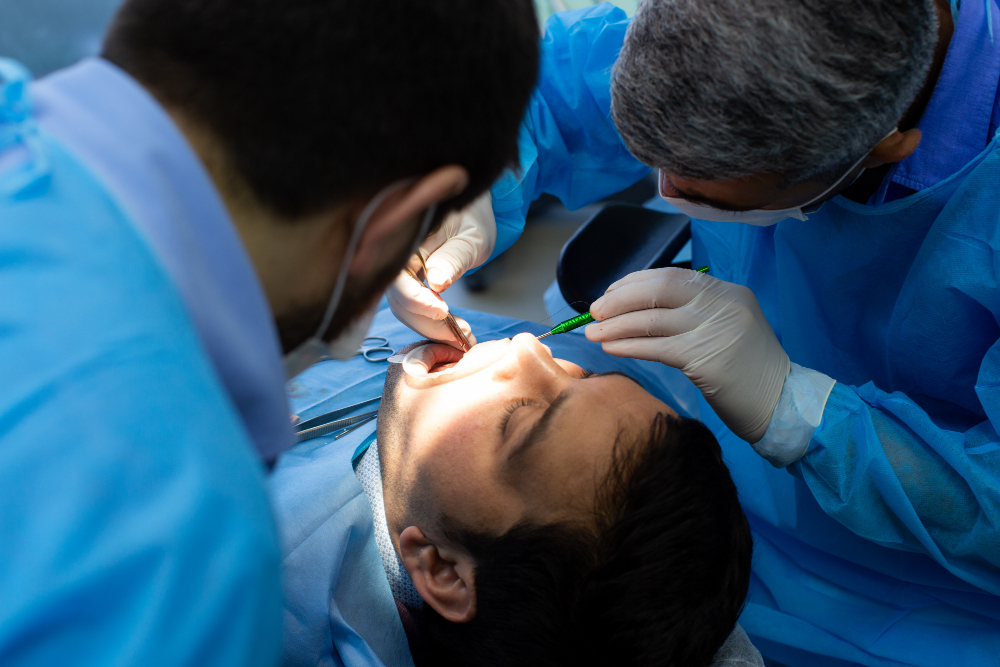
A throbbing tooth that keeps you up at night rarely fixes itself. Root Canal Treatment in Vanasthalipuram removes infected nerve tissue inside a tooth, seals the canal space, and lets you keep the tooth instead of extracting it. Galaxy Dental Care offers this procedure across 9 branches spanning Hyderabad, with the Vanasthalipuram clinic serving patients from the locality and nearby areas. An endodontist or experienced general dentist assesses each case, plans the steps, and completes treatment with local anaesthesia so you remain comfortable throughout.

8200

Patients Recovered

10

Average Waiting Time

5

Satisfaction Rating

Root Canal Treatment in Vanasthalipuram
Endodontist-Planned Root Canal Care

Endodontist-Planned Root Canal Care

Assessed and delivered across all 9 Hyderabad branches.

Call Back
Need a Dental Service?

+91 86866 76781

Clock
Visiting Hours

Mon - Sun 9 AM to 9 PM

What Is

Root Canal Treatment?

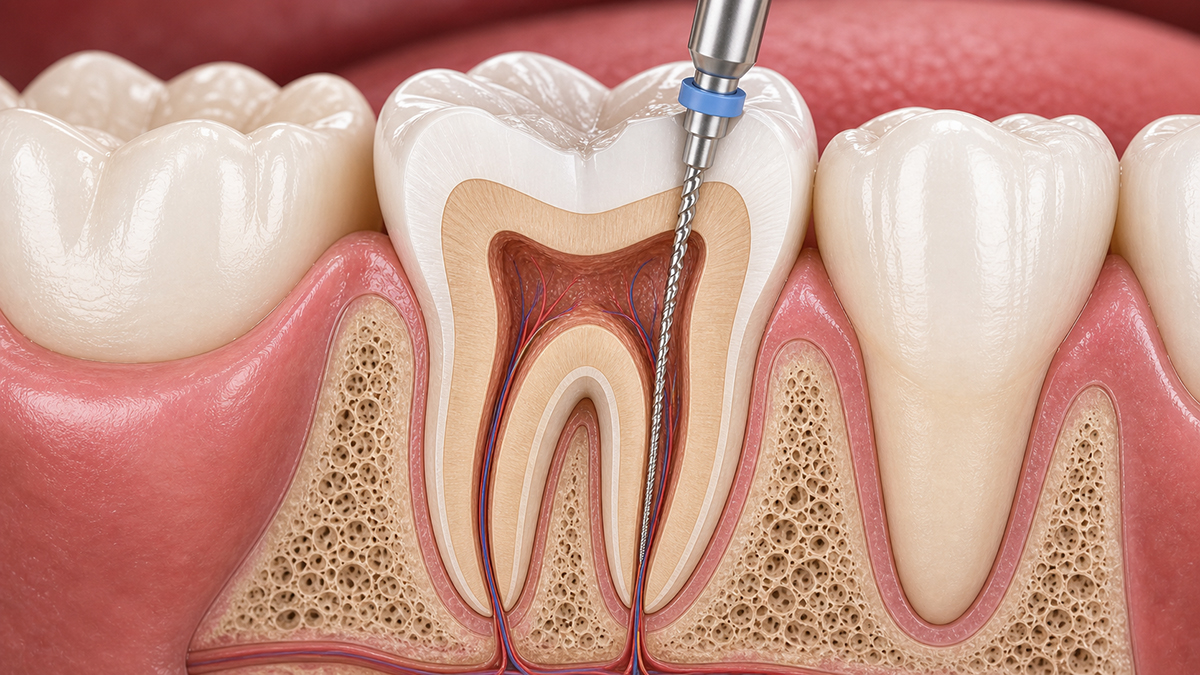
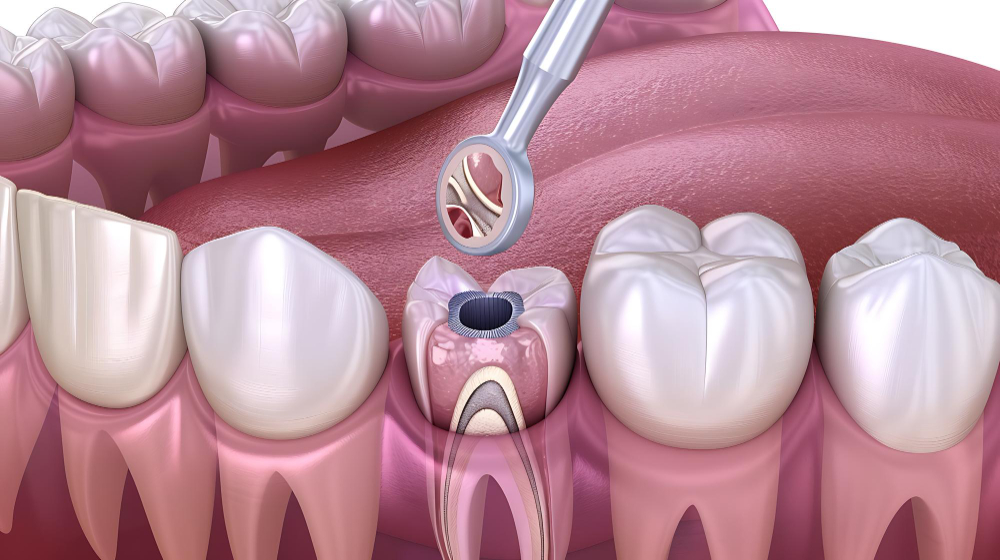
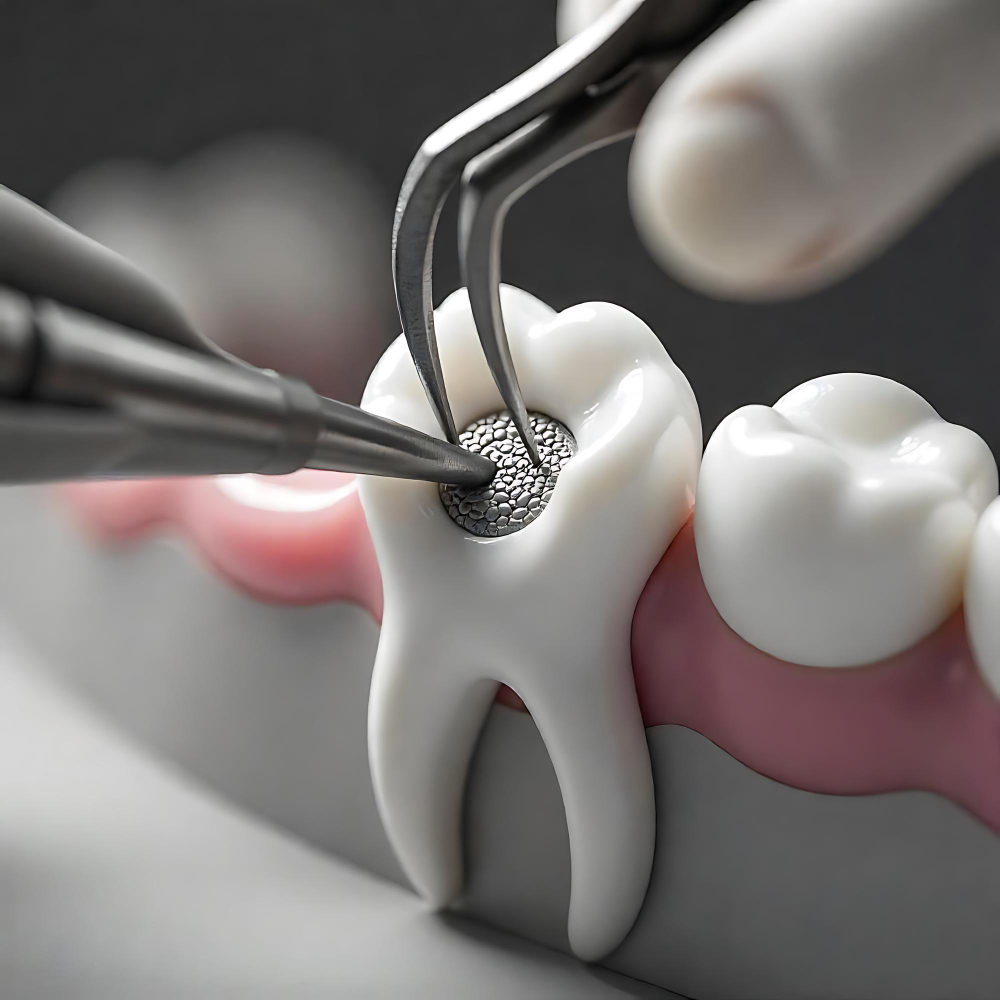
Root Canal Treatment is a procedure that cleans out infected or inflamed pulp from inside a tooth, shapes the narrow canal spaces, and seals them with a biocompatible filling material. It does not require surgery or removal of the tooth from the socket. The dentist reaches the pulp chamber through a small opening in the chewing surface, uses fine instruments to remove tissue, irrigates with disinfectant, and fills the space to stop reinfection. Most patients need a crown afterward to protect the weakened tooth structure and restore normal biting force.

Conventional Root Canal

Conventional Root Canal


This standard approach treats fully infected or necrotic pulp over one or two visits, allowing thorough cleaning and temporary medication between appointments if needed.

Single-Visit Root Canal

Single-Visit Root Canal


This compressed protocol completes cleaning, shaping, and filling in one sitting for select cases with straightforward anatomy and no active swelling or drainage.

Root Canal Treatment?

Who Needs

Root Canal Treatment?

An endodontist or dentist confirms suitability after clinical examination, percussion testing, and radiographic assessment of canal anatomy and periapical bone. Common situations prompting this treatment include:

Deep Decay Reaching Pulp

Untreated cavities progress through enamel and dentin until bacteria invade the pulp chamber, causing irreversible inflammation and spontaneous throbbing pain.

Deep Decay Reaching Pulp

Cracked or Fractured Tooth

Trauma or biting hard objects creates cracks that expose pulp tissue to oral fluids, leading to infection even when the fracture line appears small.

Cracked or Fractured Tooth
Root Canal Treatment?
Severe Cold Sensitivity Lingering

Severe Cold Sensitivity Lingering

Pain that persists for minutes after a cold stimulus suggests irreversible pulpitis rather than reversible sensitivity, indicating the nerve cannot heal without intervention.

Failed Previous Filling

Failed Previous Filling

Leakage around old restorations permits bacterial re-entry over years, causing secondary decay and recurrent infection beneath an apparently intact crown.

Uncontrolled Gum Disease

Uncontrolled Gum Disease

Advanced periodontal pockets sometimes create secondary pulp exposure through the root apex, making root canal treatment necessary alongside gum therapy.

Uncontrolled Gum Disease

Uncontrolled Gum Disease

Advanced periodontal pockets sometimes create secondary pulp exposure through the root apex, making root canal treatment necessary alongside gum therapy.

Types of

Root Canal Treatment at Galaxy Dental Care

The specialist recommends the right variant after assessing tooth position, number of canals, curvature, infection severity, and remaining tooth structure. Not every patient is a candidate for every type.

Anterior Root Canal

Anterior Root Canal

This treats front teeth with typically single, straight canals and simpler access, often needing less chair time and minimal post-procedure protection.

Premolar Root Canal

Premolar Root Canal

This addresses teeth with one or two canals and moderate curvature, presenting more complexity than anterior teeth during instrument negotiation.

Molar Root Canal

Molar Root Canal

This manages back teeth with three to five canals, complex branching, and curved anatomy, requiring precise meshing of all canals for complete seal.

Re-Root Canal Treatment

Re-Root Canal Treatment

This redo procedure addresses persistent infection from missed canals, coronal leakage, or inadequate previous seal, using magnification and specialized files.

How Does

Root Canal Treatment Work?

Diagnosis and Canal Preparation begins with a detailed clinical exam and radiographic imaging to map canal number, curvature, and infection spread. The dentist administers local anaesthesia, isolates the tooth with a rubber dam to keep it sterile and dry, and creates an access cavity through the crown. Files of increasing diameter clean and shape each canal, while irrigants flush out debris and bacteria. The dentist places intracanal medication if a second visit is planned, or proceeds to filling if the canal is ready in one sitting. You review the findings and next steps before leaving.

Diagnosis and Canal Preparation

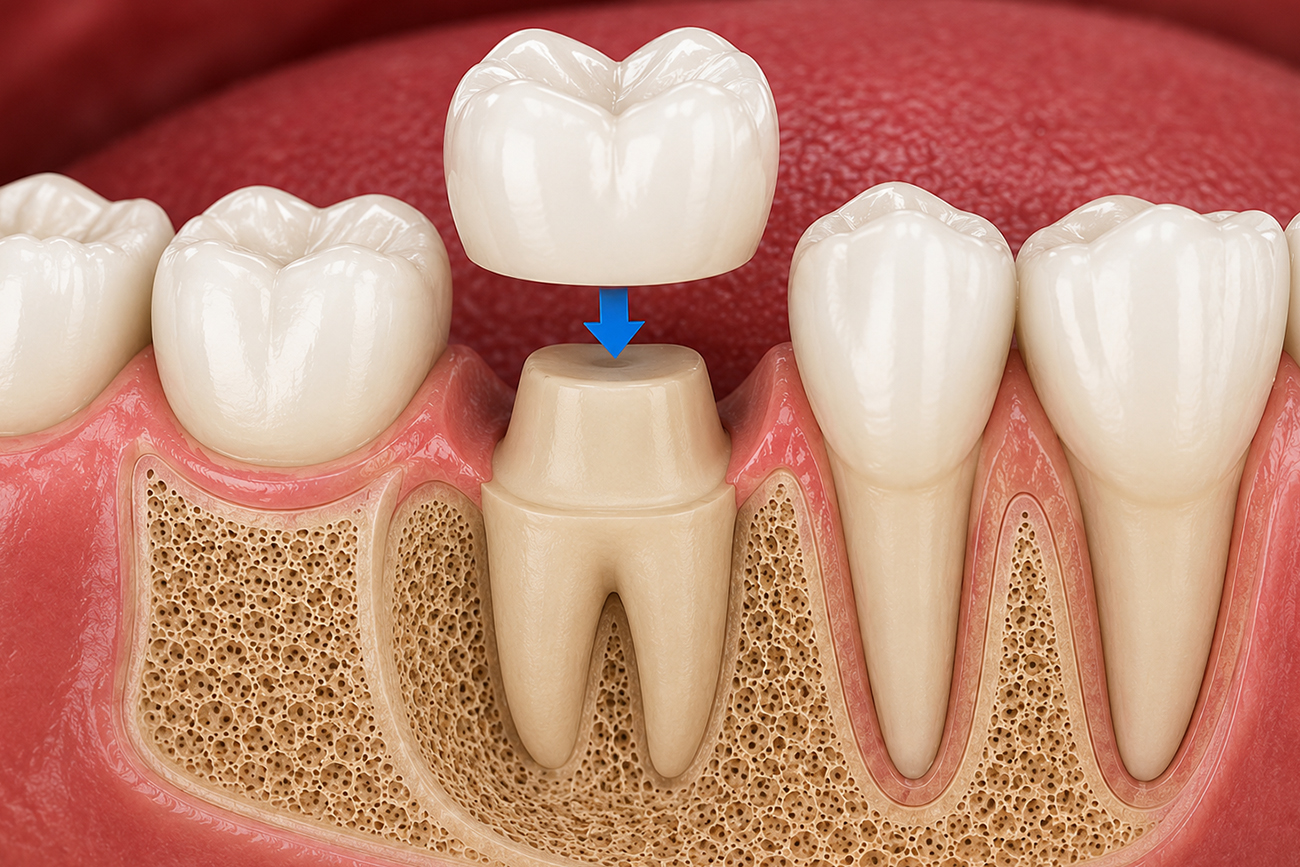
Filling and Crown Placement involves packing the cleaned canals with gutta-percha and sealer to block bacterial re-entry, then closing the access cavity with a temporary or permanent filling. The dentist checks your bite and takes an x-ray to confirm fill quality. A separate appointment prepares the tooth for a protective crown, which restores strength and prevents fracture under chewing loads. Early sensations include mild tenderness when biting for a few days. A review visit ensures healing and confirms whether the crown fit requires adjustment.

Filling and Crown Placement
Root Canal vs Extraction

Which Is Right for You?

Root Canal vs Extraction


Both options address a severely compromised tooth, but they differ in procedure, cost trajectory, time investment, and long-term oral function.

Root canal treatment preserves your natural tooth, maintains bone levels in that area, and avoids the gap and shifting issues that follow extraction. Most patients return to normal chewing within days of crown placement. The honest limitation is that the tooth becomes more brittle over time and requires crown protection; without it, fracture risk remains significant.

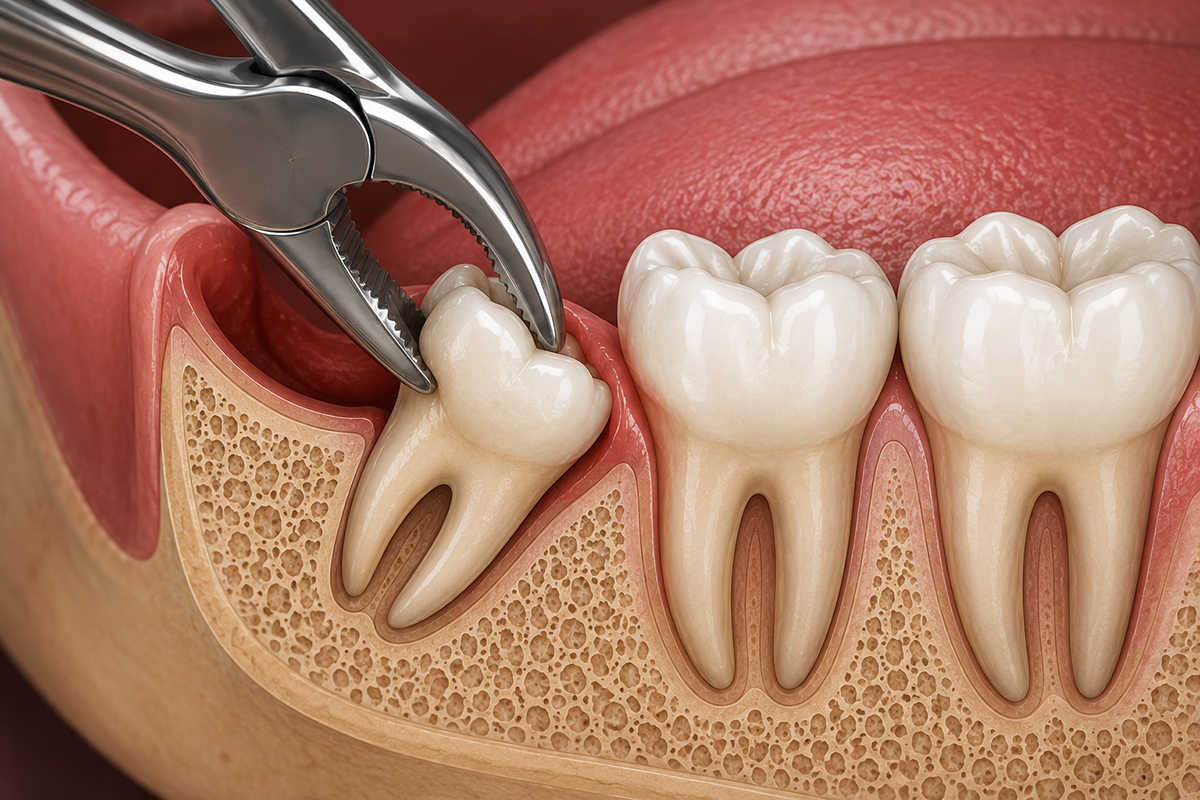
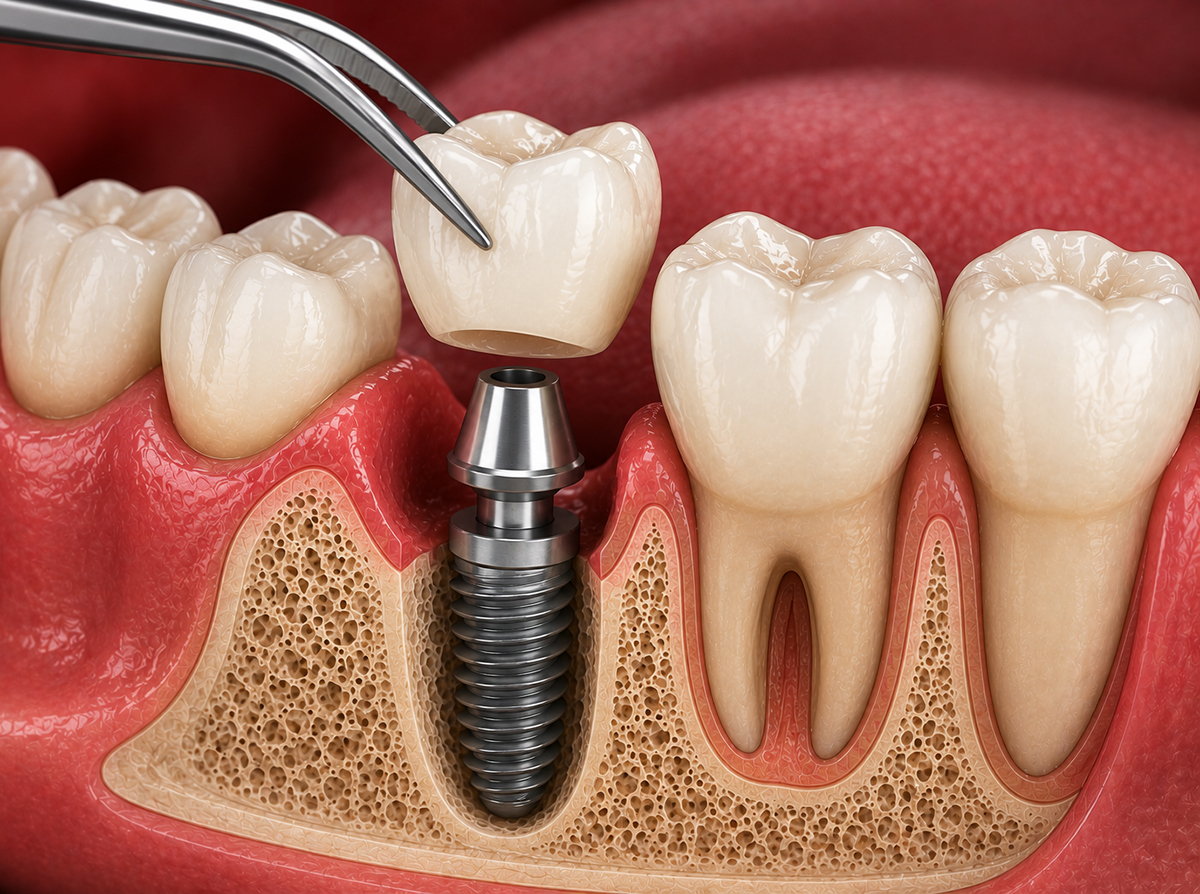
Extraction removes the problem entirely and costs less initially, but the space demands replacement with a bridge, implant, or partial denture to prevent neighboring teeth from tilting or opposing teeth from over-erupting. Implants involve surgery, several months of bone integration, and higher total expense than a well-done root canal with crown.

After clinical examination and any needed radiographs, the endodontist or dentist explains which option suits your specific tooth condition, bone support, and personal priorities.

What Happens at

Your First Root Canal Consultation?

Patients searching "root canal near me" in Vanasthalipuram find that this visit determines suitability, recommended type, and what the full process involves from start to crown placement.

Examination 1

Examination


The dentist tests tooth response to cold, percussion, and electric pulp testing to confirm pulp status.

Medical Review 2

Medical Review


Your health history, medications, and any bleeding disorders are checked to ensure safe anaesthetic use.

Radiograph 3

Radiograph


X-rays reveal canal number, length, curvature, and any periapical infection or bone changes.
Planning 4

Planning


The dentist discusses visit count, prognosis, temporary filling care, and crown timing with you.

Scheduling 5

Scheduling


You receive appointment dates, pain management guidance, and instructions on eating before treatment.

Why Galaxy Dental Care For

Root Canal Treatment in Vanasthalipuram?

Experienced endodontists and dentists manage Root Canal Treatment for patients in Vanasthalipuram and surrounding areas.
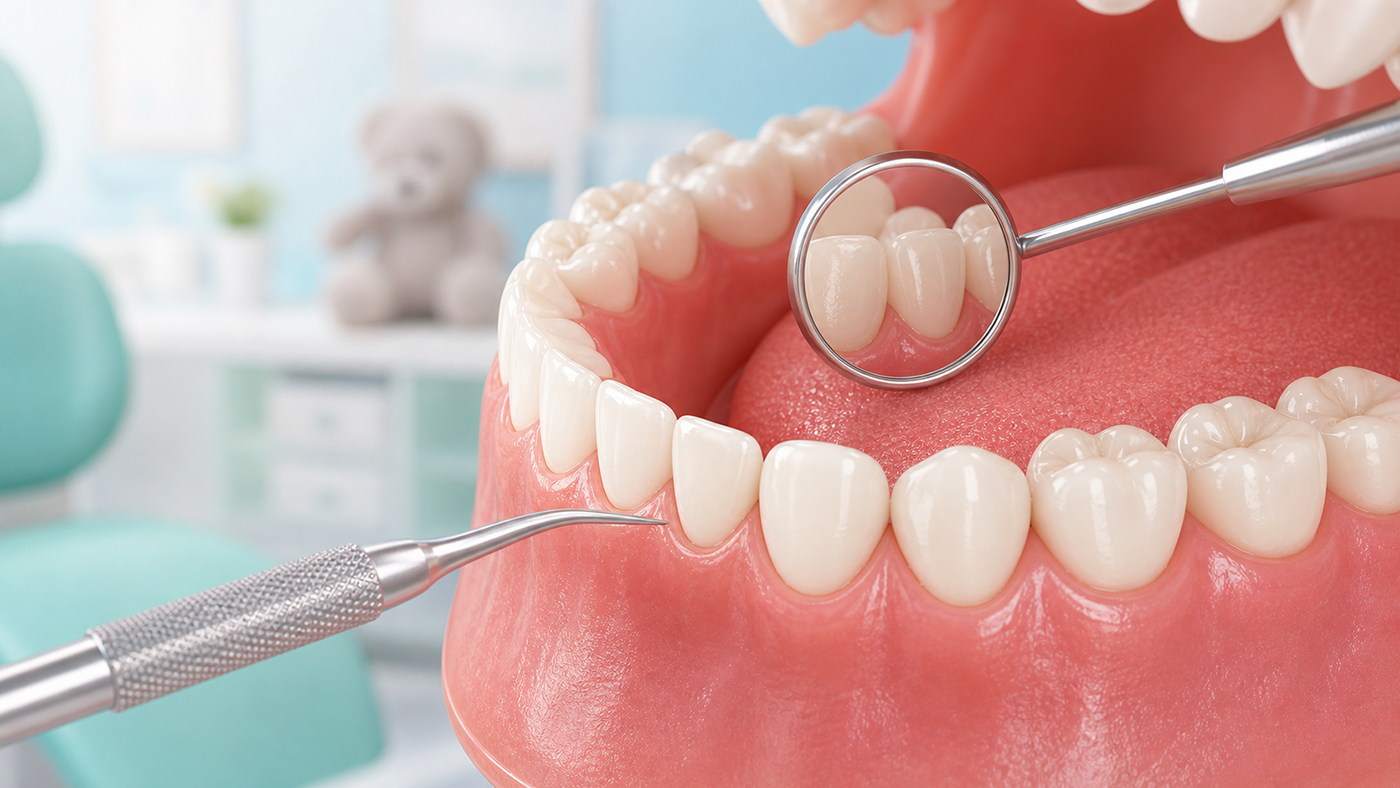
Precise canal location and shaping protocols using rotary instruments and apex locators.
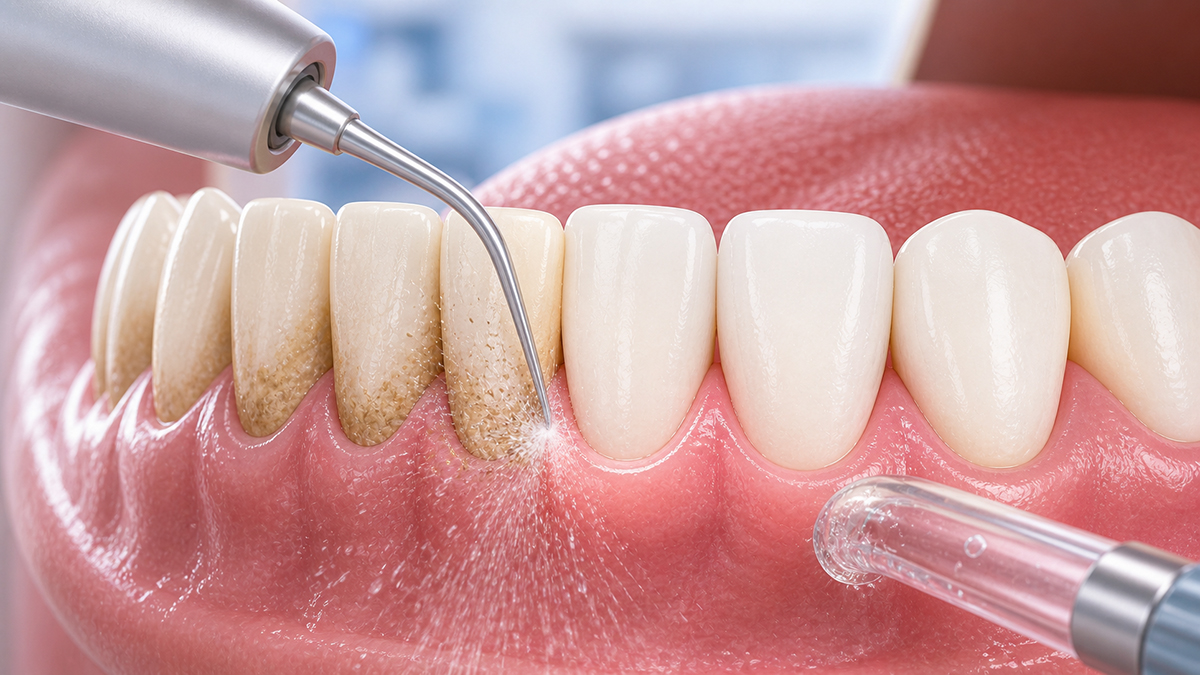
Anterior, premolar, molar, and re-treatment options matched to your tooth’s specific anatomy.

Rubber dam isolation and bite-check verification at every filling stage for safety and accuracy.

Post-treatment review and crown coordination with our in-house prosthodontic team.

Open Monday to Sunday, 9 AM to 9 PM, for consultations, emergency pain visits, and follow-up checks.

Root Canal Treatment in Vanasthalipuram?

Aftercare And

Recovery for Root Canal Treatment

Expect mild soreness when chewing for 48 to 72 hours as the ligament around the tooth root settles. This is normal and usually responds to over-the-counter pain relief. Avoid hard foods on that side until the permanent crown is placed.

1

Take prescribed pain relief before the anaesthetic fully wears off in the first evening.

2

Brush gently around the treated tooth with a soft bristle brush twice daily.

3

Avoid very hard, sticky, or crunchy foods until the crown is cemented.

4

Attend the review appointment in one week, or call if swelling develops.

Icon

Our Dental Services

All Dental Treatments
Under One Roof

Testimonials

Book Your Dental Care
Appointment Now!

Mon-Sun 9:00am - 9:00pm
Call Us On +91 86866-76781

Visit Us

Choose The Nearest Dental Clinic Branch, Pick A Service And Time Slot.

icon

Frequently Asked Questions

Get clear answers on appointments, treatment steps, scans, safety, and follow ups.

Most patients feel comfortable chewing within 48 to 72 hours. Mild tenderness to pressure is common during this window and eases with standard pain relief. Complete healing of the bone around the root tip takes several months, though you function normally throughout.

Wait until numbness fades before eating to avoid biting your cheek. Soft foods work best for the first day. Avoid chewing on the treated side until the permanent crown is placed, since the tooth is more vulnerable to fracture without it.

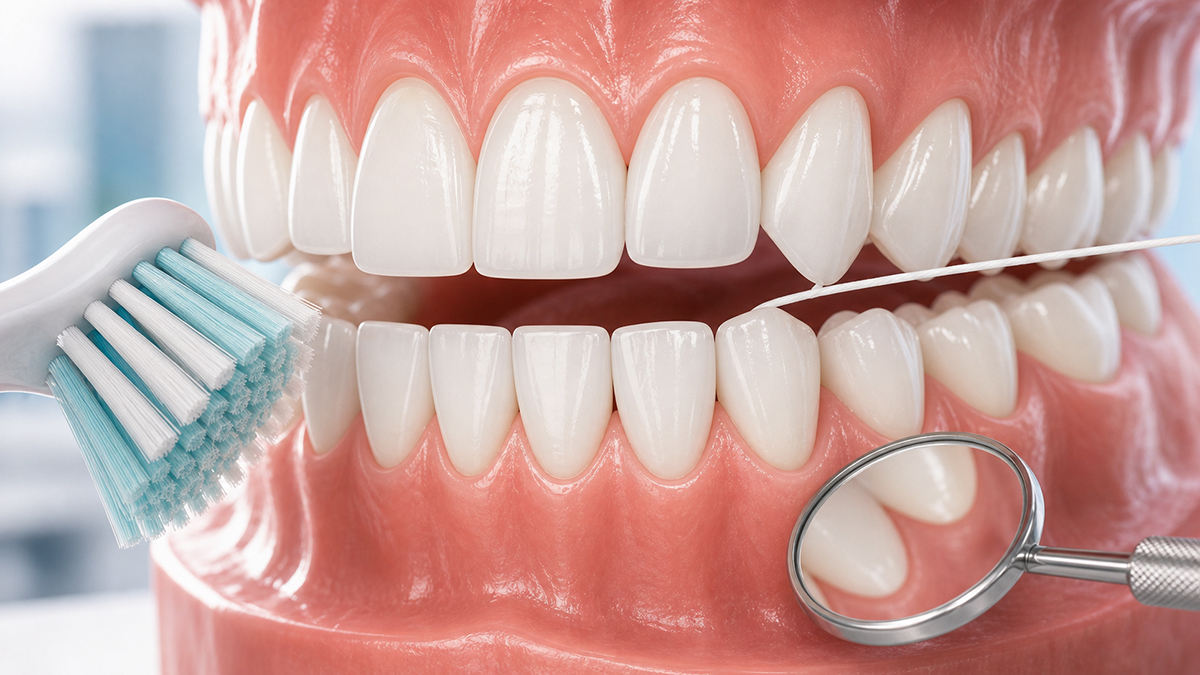
Brush twice daily and floss as you would any tooth. The treated tooth itself cannot decay inside, but the root surface and surrounding gum remain susceptible to gum disease. Regular professional cleaning helps maintain the supporting structures.

With proper crown protection and oral hygiene, many root canal treatments last years. The main reasons for failure are coronal leakage from a delayed or broken crown, missed canal branches, or new decay at the margin. Schedule regular check-ups to catch issues early.

The cost depends on tooth position and canal complexity, whether one or multiple visits are needed, whether microscopic magnification or specialized files are used, and the type of crown placed afterward. In India, this treatment typically ranges from ₹3,000 to ₹12,000 per tooth, with crowns adding ₹2,000 to ₹15,000. Request a written estimate after examination.

Book Your Appointment

for a Healthier, Brighter Smile


Appointment

Request a
Call Back

Call Back

WhatsApp