Which Is Right for You?
Teeth Whitening vs Veneers
Both options improve smile appearance but differ in what they change, how long they last, and what they cost. Whitening alters natural tooth colour. Veneers cover the surface with ceramic.
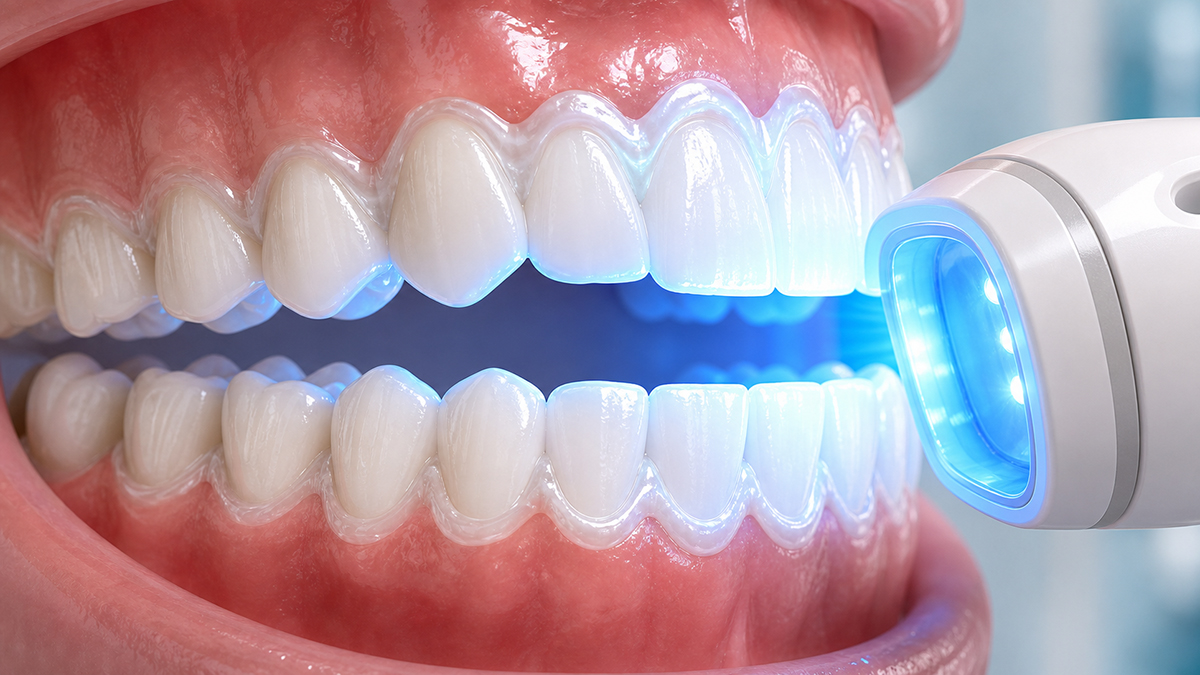
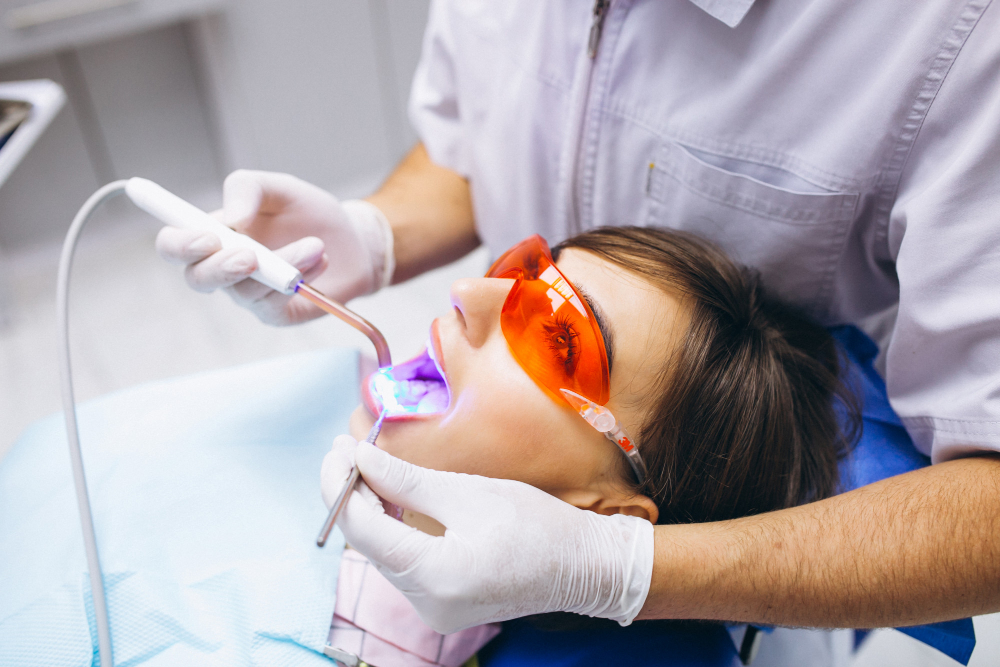
In-Clinic Whitening suits patients with healthy enamel who want a lighter version of their own teeth. It takes one to two visits, costs less than ceramic work, and preserves all natural tooth structure. Sensitivity afterwards is common and usually fades in 48 hours. The limitation is that it cannot change the shape, size, or position of teeth, and existing fillings or crowns will not lighten with the natural enamel.
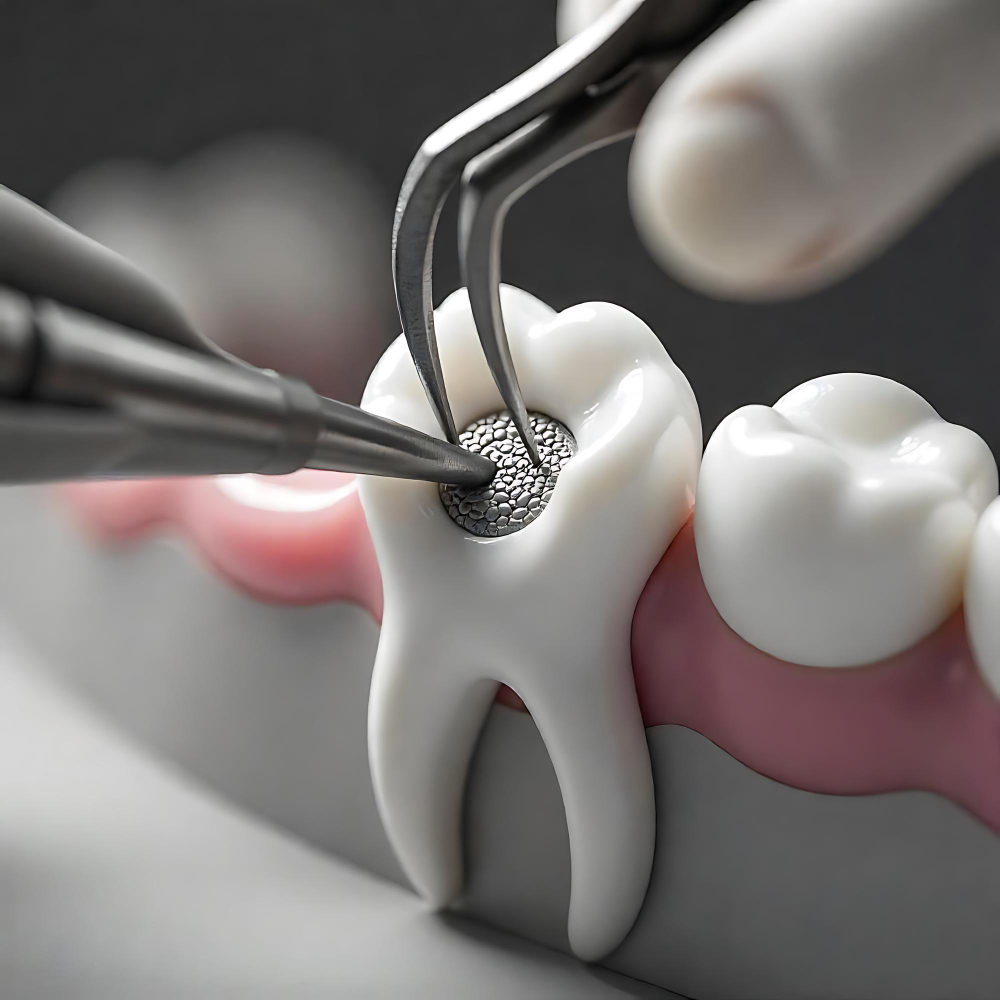
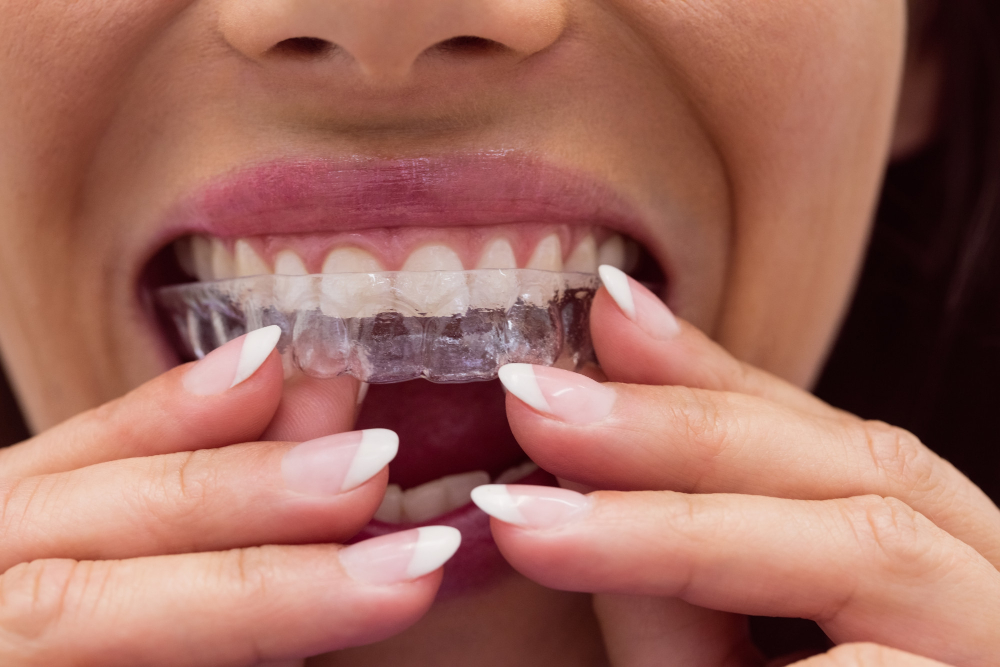
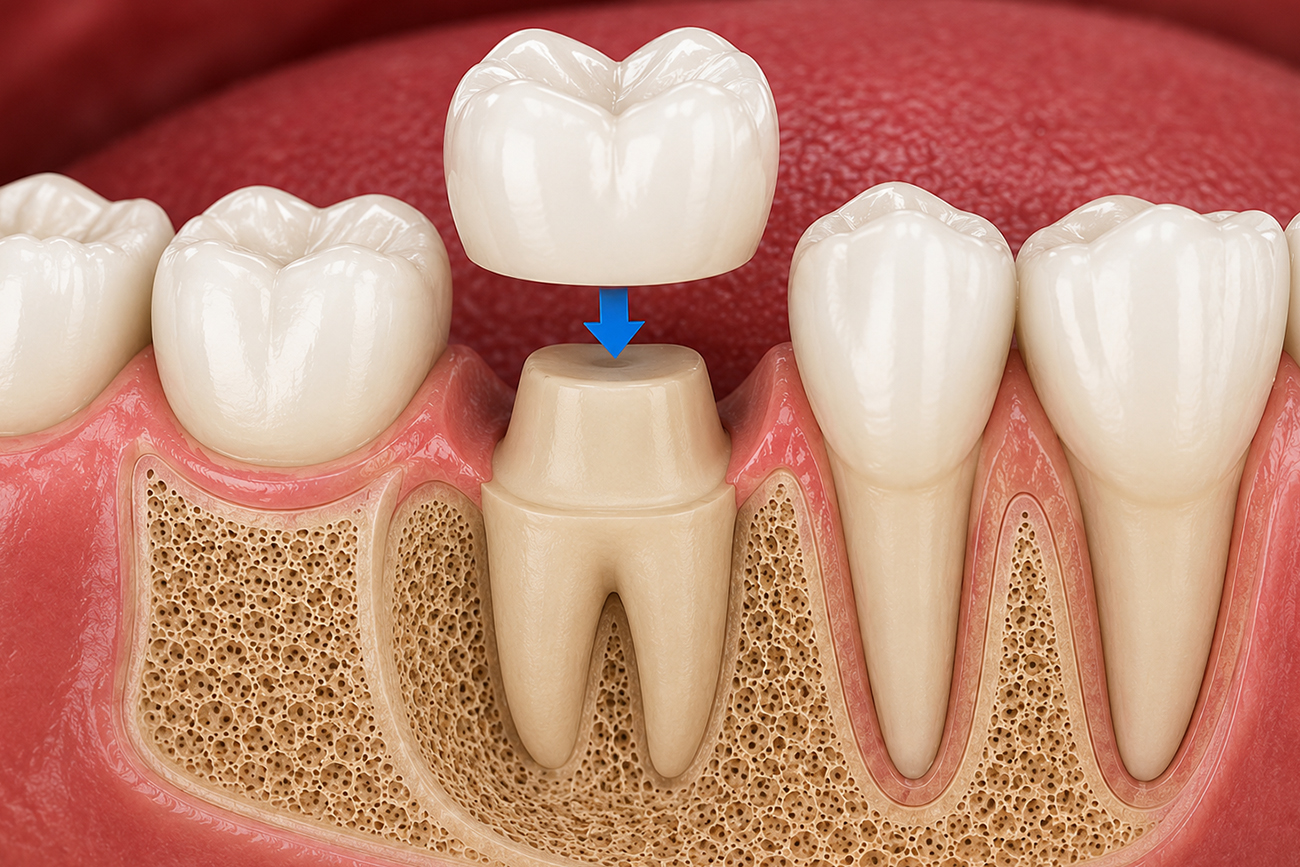
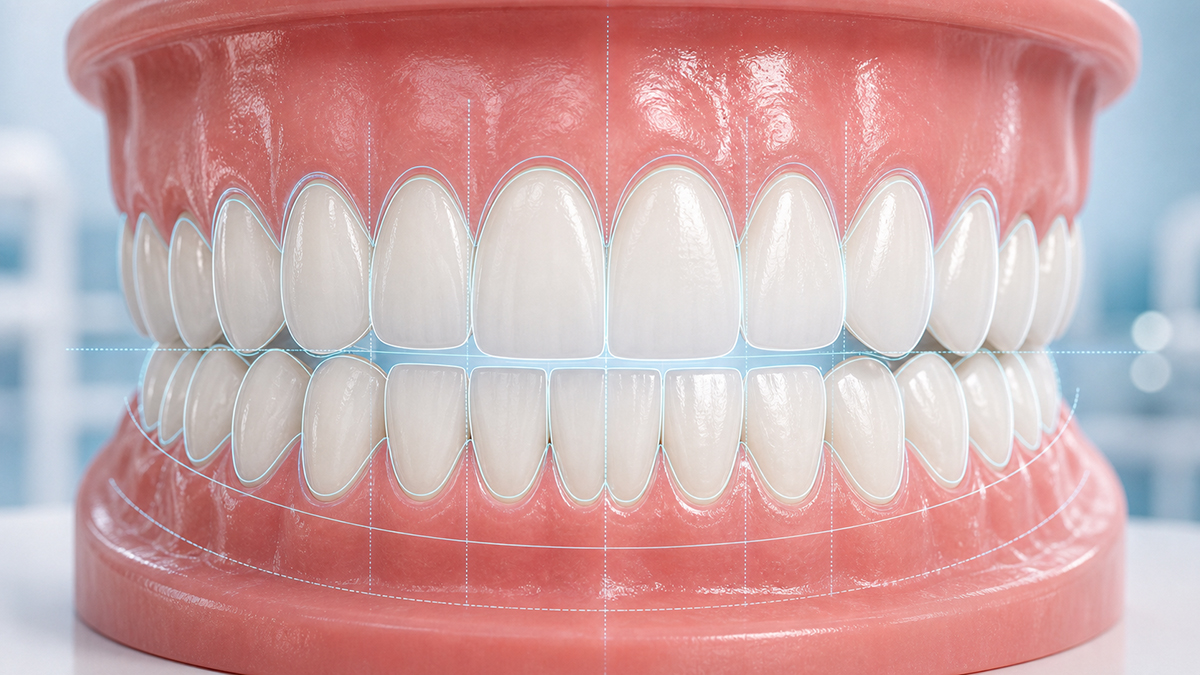
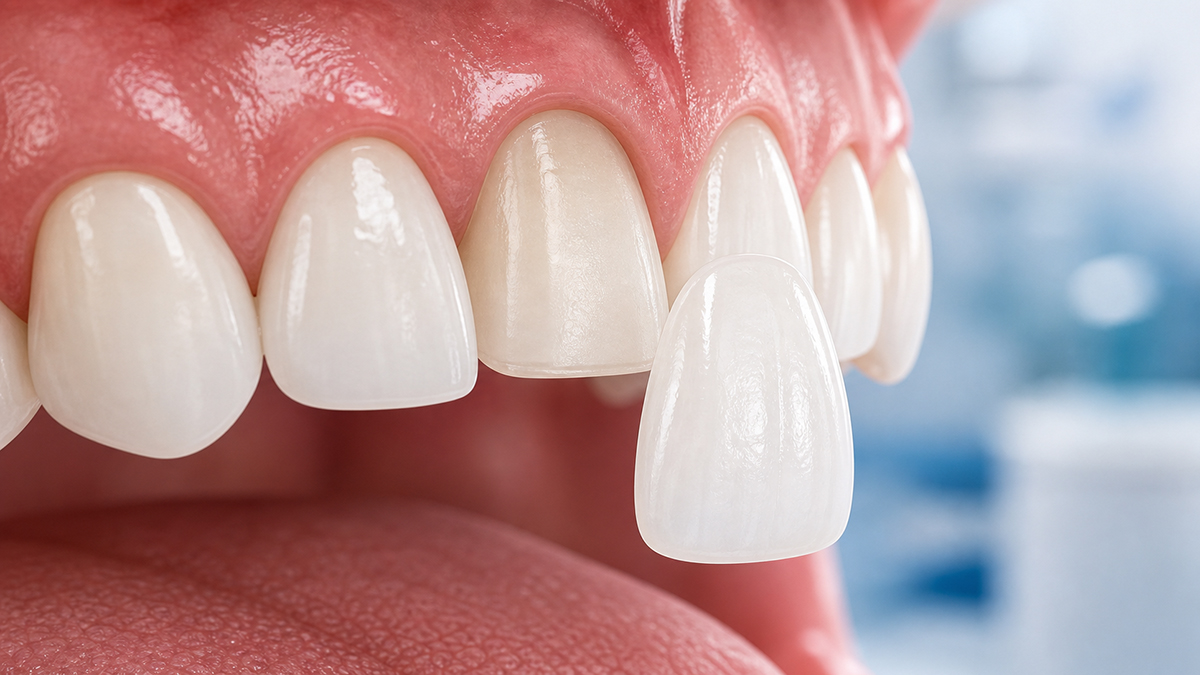
Porcelain Veneers cover stained, chipped, or misshapen teeth with thin ceramic shells. They correct colour, shape, and minor alignment in one treatment plan. Veneers require slight enamel reduction, take two to three weeks from mould to bonding, and cost significantly more. They last longer than whitening results but may need replacement after 10 to 15 years.
The cosmetic or prosthodontic specialist confirms which approach fits after clinical examination, shade documentation, and discussion of your priorities.