Call Back

+91 86866 76781

24/7 Emergency Phone
Clock

Monday – Sunday

9AM – 9PM

Gentle Care | Happy Visits | Growing Smiles

Pediatric Dentist in Kukatpally KPHB Colony


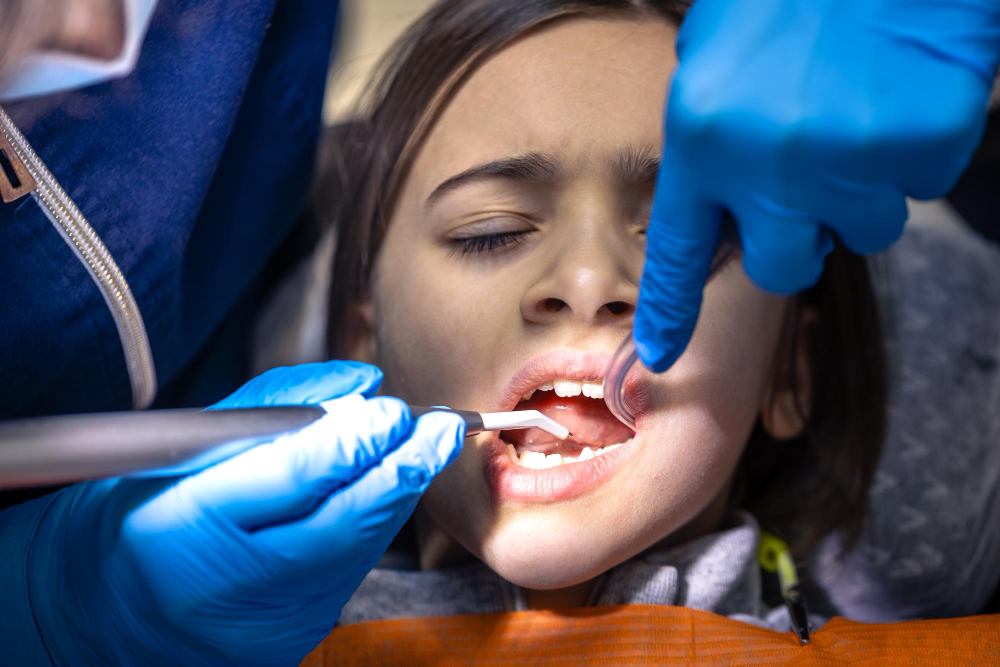
A child who fears the dentist often avoids care until pain forces the issue. A pediatric dentist in Kukatpally KPHB Colony at Galaxy Dental Care treats infants through teens with techniques designed for smaller mouths and developing teeth. Parents from the IT corridors, retail shops, and educational institutions around KPHB Colony bring children here for routine checkups, cavity prevention, and early orthodontic screening. Galaxy Dental Care runs 9 branches across Hyderabad with extended hours to fit school and office schedules. A pedodontist assesses each child, explains treatment in age-appropriate ways, and builds habits that protect adult teeth before they ever emerge.

8200

Patients Recovered

10

Average Waiting Time

5

Satisfaction Rating

Pediatric Dentist in Kukatpally KPHB Colony
Pedodontist-Led Child Dental Care

Pedodontist-Led Child Dental Care

Assessed and delivered across all Hyderabad branches.

Call Back
Need a Dental Service?

+91 86866 76781

Clock
Visiting Hours

Mon - Sun 9 AM to 9 PM

What Is

Pediatric Dentist?

A pediatric dentist is a dental specialist who completes extra training in child growth, behavior management, and the treatment of developing teeth. This focus covers everything from teething pain and thumb-sucking habits to cavity repair and space maintenance for incoming permanent teeth. Unlike general dental visits, pediatric appointments account for a child’s anxiety, attention span, and jaw development stage. Treatment does not require surgery in most cases. The goal is to prevent disease, treat problems early, and establish comfort with dental care that carries into adulthood.

Preventive Pediatric Care

Preventive Pediatric Care


Preventive pediatric care includes cleanings, fluoride applications, and sealants to stop decay before it starts, typically for children with healthy primary or mixed dentition.

Interventional Pediatric Care

Interventional Pediatric Care


Interventional pediatric care addresses existing problems such as cavities, infections, or trauma, and often involves fillings, pulp therapy, or extractions under local anesthesia.

Pediatric Dentist?

Who Needs

Pediatric Dentist?

A pedodontist confirms suitability after reviewing age, dental development, behavior, and medical history. Parents often consider this care when children show signs of decay, pain, or developmental concerns.

Tooth Pain or Sensitivity

Tooth pain or sensitivity in a child usually signals decay reaching the nerve, which a pediatric dentist treats with fillings or pulp therapy to save the tooth.

Tooth Pain or Sensitivity

Visible Cavities or Spots

Visible cavities or white spots on primary teeth indicate active decay that spreads quickly in children, requiring prompt restoration to prevent infection or early loss.

Visible Cavities or Spots
Pediatric Dentist?
Dental Anxiety or Fear

Dental Anxiety or Fear

Dental anxiety or fear makes routine visits stressful for children, so pediatric dentists use behavior guidance and gentle pacing to build trust over time.

Worn or Broken Fillings

Worn or Broken Fillings

Worn or broken fillings from earlier treatment need replacement to protect remaining tooth structure and maintain space for the permanent tooth beneath.

Medical Conditions Affecting Teeth

Medical Conditions Affecting Teeth

Medical conditions like childhood diabetes or enamel defects make specialized monitoring necessary, as they raise caries risk or complicate standard treatment approaches.

Medical Conditions Affecting Teeth

Medical Conditions Affecting Teeth

Medical conditions like childhood diabetes or enamel defects make specialized monitoring necessary, as they raise caries risk or complicate standard treatment approaches.

Types of

Pediatric Dentist at Galaxy Dental Care

The pedodontist recommends the right approach after assessing age, cavity risk, behavior, and jaw development. Not every patient is a candidate for every type.

Infant Oral Exams

Infant Oral Exams

Infant oral exams evaluate the mouth of children under one year, checking tongue attachment, feeding impact, and early eruption patterns to guide parents.

Early Childhood Cleanings

Early Childhood Cleanings

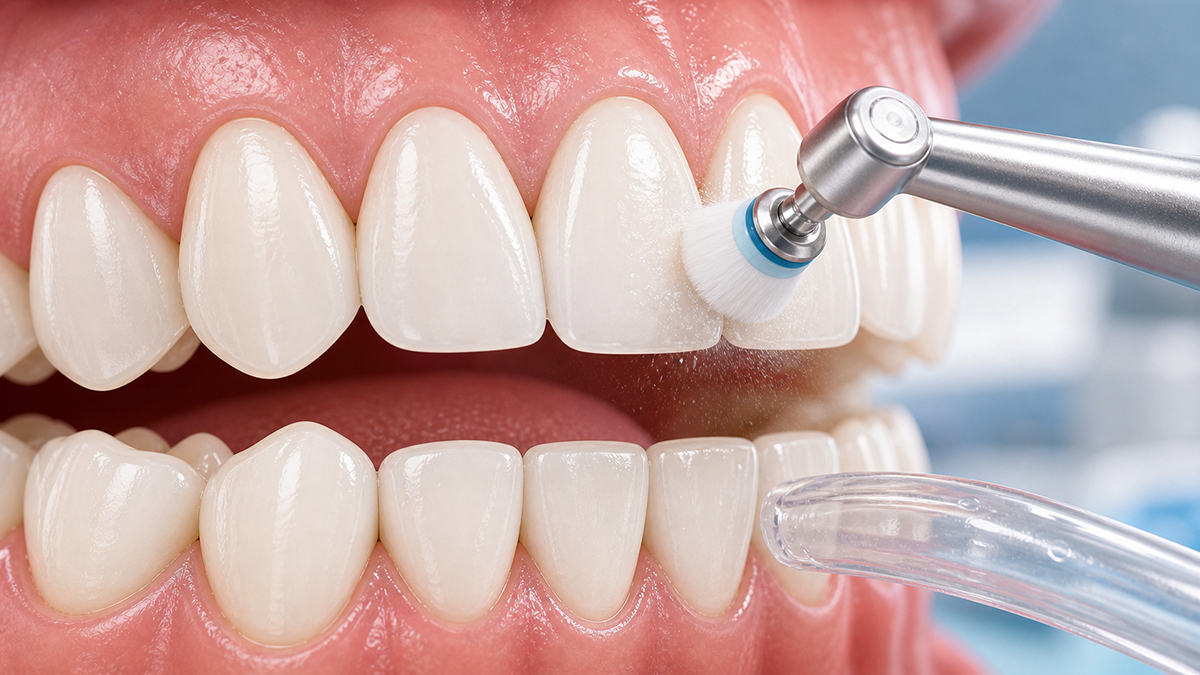
Early childhood cleanings remove plaque from primary teeth using soft instruments sized for small mouths, with fluoride applied to strengthen enamel against decay.

Full Pediatric Restorations

Full Pediatric Restorations

Full pediatric restorations treat multiple affected teeth in one planned session, with bite checked after each filling to maintain proper jaw alignment.

Habit Counseling Visits

Habit Counseling Visits

Habit counseling visits address thumb-sucking or pacifier use that alters tooth position, with appliances fitted when needed to guide natural growth.

How Does

Pediatric Dentist Treatment Work?

First Visit Assessment begins with the parent completing a medical and dental history form while the child explores the clinic environment. The pedodontist performs a knee-to-knee or chairside examination depending on age, counting teeth and checking for decay, alignment, and soft tissue health. Bitewing or panoramic X-rays are taken only when justified by clinical need. The dentist discusses findings with the parent, demonstrates proper brushing for the child’s age, and drafts a written treatment plan with prioritized steps. The child receives a small reward to reinforce positive associations before leaving.

First Visit Assessment

Treatment and Follow-Up involves scheduling procedures in short sessions matched to the child’s tolerance, with local anesthesia applied when needed and rubber dam isolation for safety. The dentist checks that the child can close evenly and speaks normally before discharge. Parents receive written aftercare instructions covering eating restrictions and pain management. A review call within 48 hours addresses any concerns. Follow-up visits are set every six months for monitoring, or sooner if interceptive treatment like space maintainers or habit appliances is placed.

Treatment and Follow-Up
Pediatric Dentist vs General Dentist

Which Is Right for You?

Pediatric Dentist vs General Dentist


Both providers examine teeth and treat decay, but they differ in training depth, equipment size, and approach to behavior management.

A general dentist sees patients of all ages and handles routine cleanings, fillings, and extractions. They offer convenience for families who want one location for all members. Their limitation is that they lack the additional two to three years of residency training in child psychology, growth patterns, and pediatric sedation that shape how young patients experience care.

A pediatric dentist completes specialized residency after dental school and treats only children and adolescents. They use smaller instruments, child-sized chairs, and techniques designed for developing jaws. This focus requires parents to visit a separate provider for their own dental needs, but it delivers care calibrated to a child’s emotional and physical stage.

The pedodontist at Galaxy Dental Care confirms the right setting after examining the child directly, with referrals to specialists such as orthodontists or oral surgeons arranged when scans or complex needs indicate.

What Happens at

Your First Pediatric Dentist Consultation?

Parents searching 'Pediatric Dentist near me' in Kukatpally KPHB Colony find that this first visit determines if your child needs preventive monitoring or active treatment, and what the full process involves.

Examination 1

Examination


The pedodontist examines teeth, gums, and jaw development while noting any decay, crowding, or soft tissue concerns.

History 2

History


Medical and dental history is reviewed to identify allergies, medications, or habits that affect treatment choices.

Records 3

Records


X-rays or photographs are taken only when clinically necessary to see between teeth or check unerupted permanent teeth.

Planning 4

Planning


The dentist explains findings to the parent, discusses options, and confirms the treatment sequence and next appointments.

Guidance 5

Guidance


Oral hygiene instructions and dietary advice are given, with a recall date set based on the child's risk level.

Why Galaxy Dental Care For

Pediatric Dentist in Kukatpally KPHB Colony?

Our pedodontists see children from Kukatpally KPHB Colony and surrounding areas in a setting designed for young patients.

– Specialist expertise in behavior guidance, preventive protocols, and child-sized instrumentation for every procedure step.
– Range of options from infant exams to habit appliances, linking to the Types of Pediatric Dentist care above.
– A parent-present safeguard at every visit, with treatment explained before any procedure begins.
– Post-treatment follow-up calls and flexible scheduling for school-age patients needing recall visits.
– Open Monday to Sunday, 9 AM to 9 PM, for consultations and follow-up visits that fit family schedules.

Pediatric Dentist in Kukatpally KPHB Colony?

Aftercare And

Recovery for Pediatric Dentist

Most children resume normal activity the same day after routine pediatric dental treatment. Mild gum tenderness or lip numbness from local anesthesia is common for two to three hours. The dentist advises when to resume regular eating based on the procedure performed.

1

Wait until numbness fades before letting your child eat to avoid biting the lip or cheek.

2

Brush gently around treated teeth twice daily with a soft child-sized brush.

3

Avoid hard or sticky foods for 24 hours after fillings or extractions.

4

Call the clinic if pain, swelling, or fever persists beyond 48 hours after treatment.

Icon

Our Dental Services

All Dental Treatments
Under One Roof

Testimonials

Book Your Dental Care
Appointment Now!

Mon-Sun 9:00am - 9:00pm
Call Us On +91 86866-76781

Visit Us

Choose The Nearest Dental Clinic Branch, Pick A Service And Time Slot.

icon

Frequently Asked Questions

Get clear answers on appointments, treatment steps, scans, safety, and follow ups.

Most children adjust within one to three visits. The first appointment focuses on exploration and trust-building rather than treatment. Younger children and those with previous negative experiences may need additional acclimation visits before any procedure.

Yes, pediatric dentists use tell-show-do techniques, distraction, and child-friendly language to reduce anxiety. Sedation options are available for children with severe fear or special needs. Parents remain present during most procedures for reassurance.

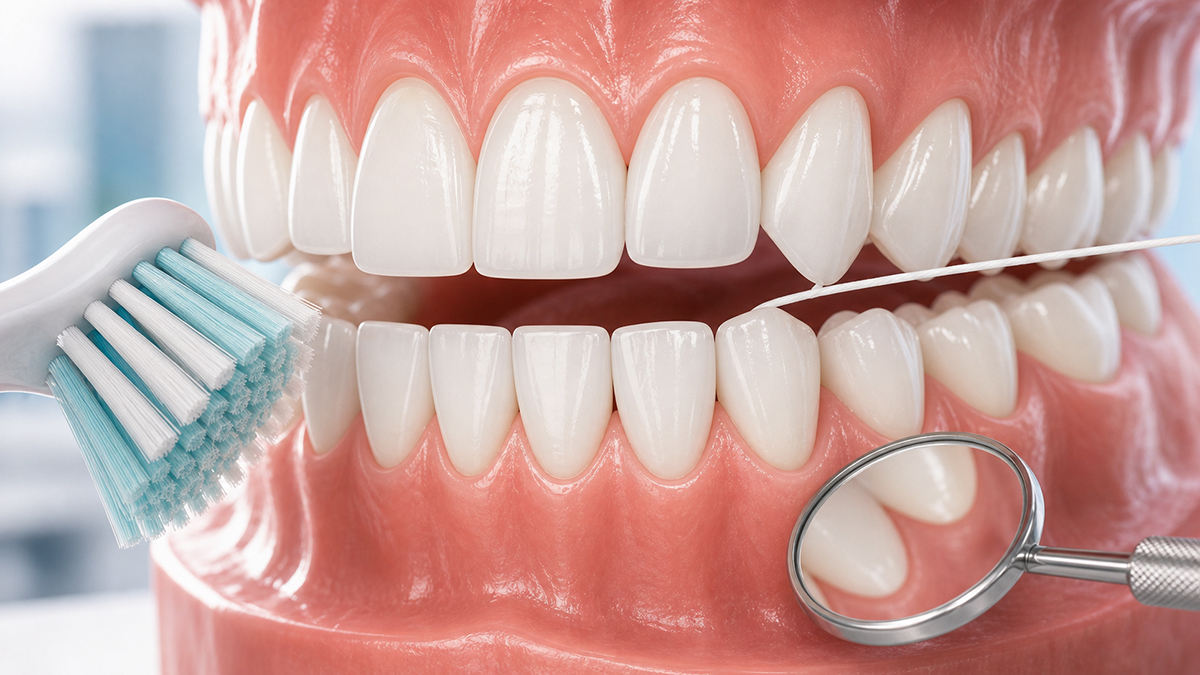
Parents should supervise brushing with fluoride toothpaste twice daily and limit sugary snacks to mealtimes. Flossing begins when teeth touch, usually around age two to three. Nighttime bottle feeding with milk or juice should stop by the first birthday.

The first visit is recommended by age one or within six months of the first tooth erupting. After that, most children return every six months for monitoring and cleaning. High-risk children with early decay may need three to four month intervals.

The cost depends on the child's age, the number of teeth needing treatment, the type of procedure, and whether sedation or specialty materials are required. In India, pediatric dental treatments typically range from ₹200 to ₹25,000. Galaxy Dental Care provides a written estimate after examination, with payment plans available on request.

Book Your Appointment

for a Healthier, Brighter Smile


Appointment

Request a
Call Back

Call Back

WhatsApp