Call Back

+91 86866 76781

24/7 Emergency Phone
Clock

Monday – Sunday

9AM – 9PM

Gentle Care | Happy Visits | Growing Smiles

Pediatric Dentist


Children’s dental anxiety often starts with a frightening first experience. A Pediatric Dentist in Manikonda at Galaxy Dental Care provides age-appropriate oral care for infants through teenagers in a calm, reassuring setting. Our clinic in Manikonda serves families from nearby IT hubs and residential communities, with 9 branches across Hyderabad open Monday to Sunday. Every case is assessed by an MDS-qualified pedodontist who understands how to examine, treat, and guide young patients without force or fear.

8200

Patients Recovered

10

Average Waiting Time

5

Satisfaction Rating

Pediatric Dentist
Pedodontist-Planned Child Dental Care

Pedodontist-Planned Child Dental Care

Assessed and delivered across all 9 Hyderabad branches.

Call Back
Need a Dental Service?

+91 86866 76781

Clock
Visiting Hours

Mon - Sun 9 AM to 9 PM

What Is

Pediatric Dentist?

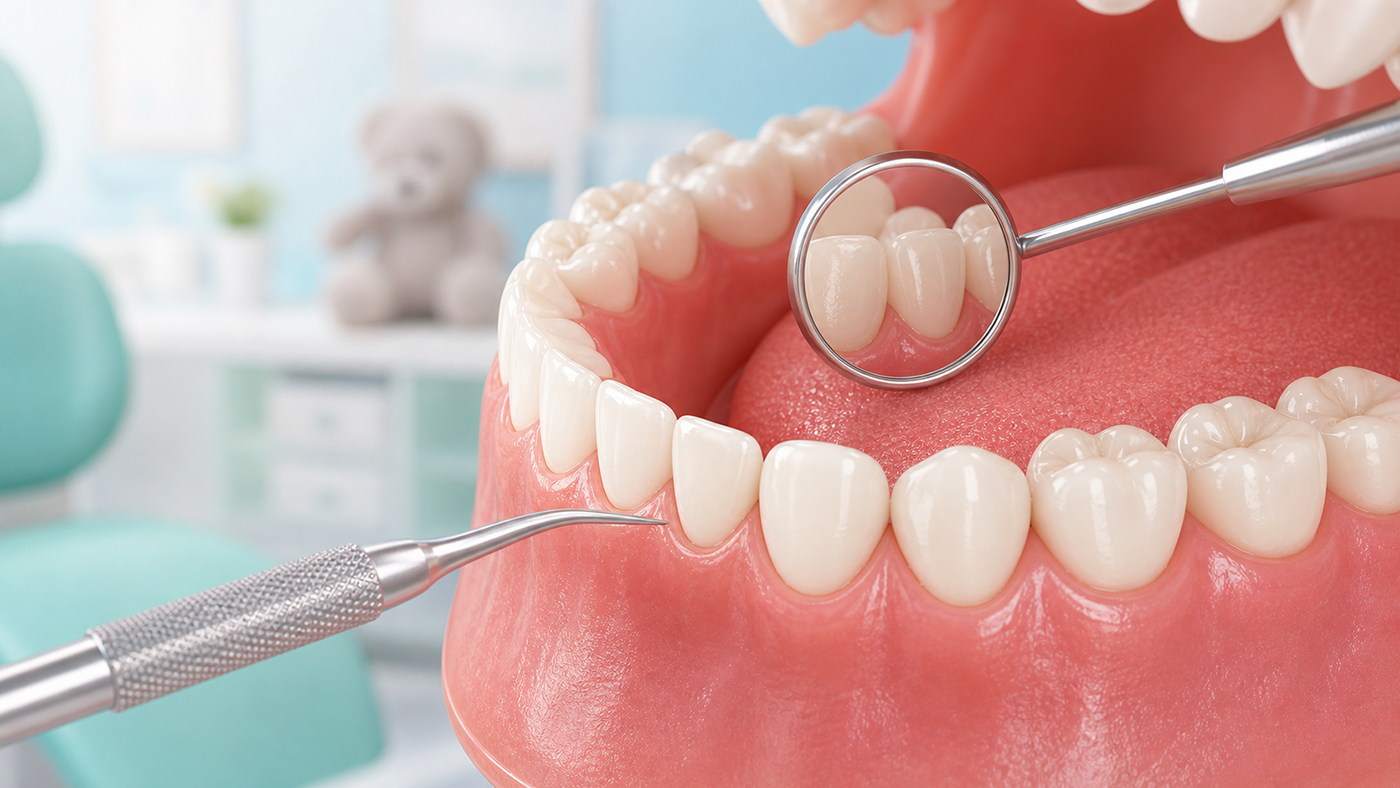
A pediatric dentist is a dental specialist who manages children’s oral health from infancy through adolescence. This includes preventive care like fluoride and sealants, treatment of tooth decay, habit counseling for thumb sucking, and early assessment of orthodontic needs. Pediatric dentistry does not require surgery for most routine procedures. It restores chewing function, prevents pain and infection, and builds a foundation for lifelong oral health habits through positive early experiences.

Preventive Pediatric Care

Preventive Pediatric Care


Regular check-ups, cleanings, fluoride applications, and sealants to stop decay before it starts, typically for children with healthy primary or mixed dentition.

Interceptive Treatment

Interceptive Treatment


Early intervention for crowding, crossbites, or oral habits in growing children, often reducing the need for complex procedures later.

Pediatric Dentist?

Who Needs

Pediatric Dentist?

A pedodontist confirms suitability after reviewing age, behavior, and oral findings. Parents consider this care when children show signs of decay, pain, or developmental concerns.

Tooth Decay in Milk Teeth

Early childhood caries from frequent milk or sweet exposure damage primary teeth and require fillings or crowns to preserve space for permanent teeth.

Tooth Decay in Milk Teeth

Broken or Chipped Tooth

Playground or sports injuries fracture enamel and dentin, risking nerve exposure and needing prompt repair to prevent infection.

Broken or Chipped Tooth
Pediatric Dentist?
Fearful First Visit

Fearful First Visit

Children who cry or refuse chair entry need a pediatric specialist trained in behavior guidance to build trust gradually.

Worn or Loose Fillings

Worn or Loose Fillings

Older restorations in primary teeth weaken over time, leak, and need replacement to avoid recurrent decay or premature tooth loss.

Medical Conditions Affecting Teeth

Medical Conditions Affecting Teeth

Children with asthma, diabetes, or developmental conditions face higher caries risk and need tailored preventive protocols.

Medical Conditions Affecting Teeth

Medical Conditions Affecting Teeth

Children with asthma, diabetes, or developmental conditions face higher caries risk and need tailored preventive protocols.

Types of

Pediatric Dentist at Galaxy Dental Care

The pedodontist recommends the right approach after assessing age, anxiety level, cavity risk, and cooperation. Not every patient is a candidate for every type.

Infant Oral Exams

Infant Oral Exams

First dental visit by age one checks erupting teeth and gum health while parents learn proper wiping and feeding habits.

Sedation Dentistry

Sedation Dentistry

Nitrous oxide or oral sedation calms anxious children so necessary treatment can proceed safely without restraint.

Full Mouth Rehabilitation

Full Mouth Rehabilitation

Multiple stainless steel crowns and pulpotomies restore severely decayed primary teeth under single-visit planning.

Space Maintainers

Space Maintainers

Fixed bands preserve arch length after premature tooth loss, guiding permanent teeth into proper position.

How Does

Pediatric Dentist Treatment Work?

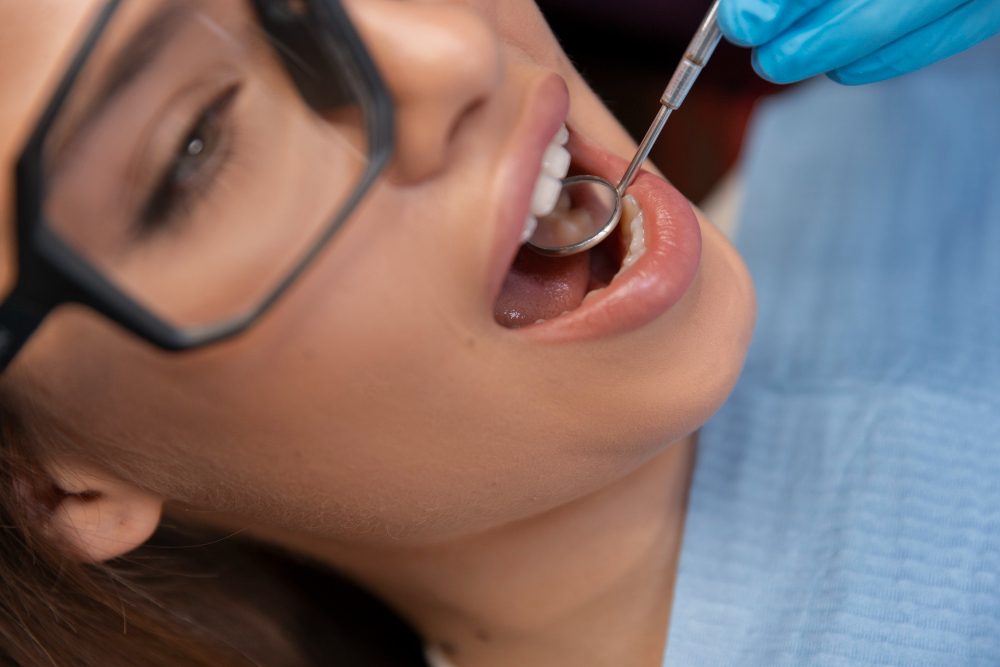
Child Assessment and Planning begins with a gentle oral exam, often with the parent holding the child for comfort. The pedodontist checks teeth count, decay, bite, and gum health while noting behavior cues. Digital radiographs are taken only when essential, using small sensors and protective shields. The dentist explains findings in plain language and provides a written treatment plan with priorities, options, and appointment sequencing. Parents review costs and consent before any procedure begins.

Child Assessment and Planning

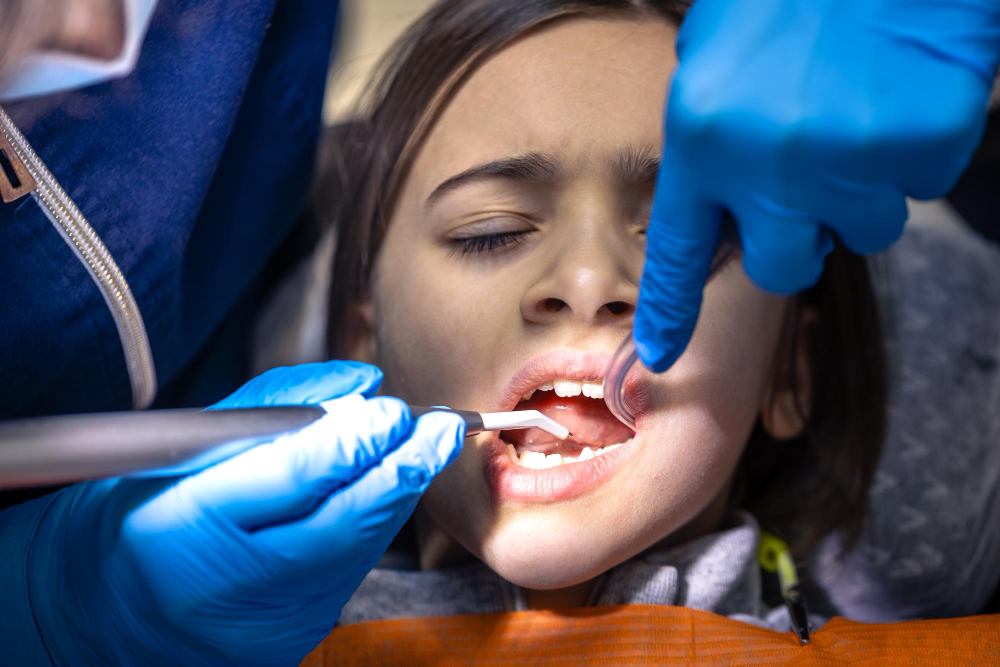
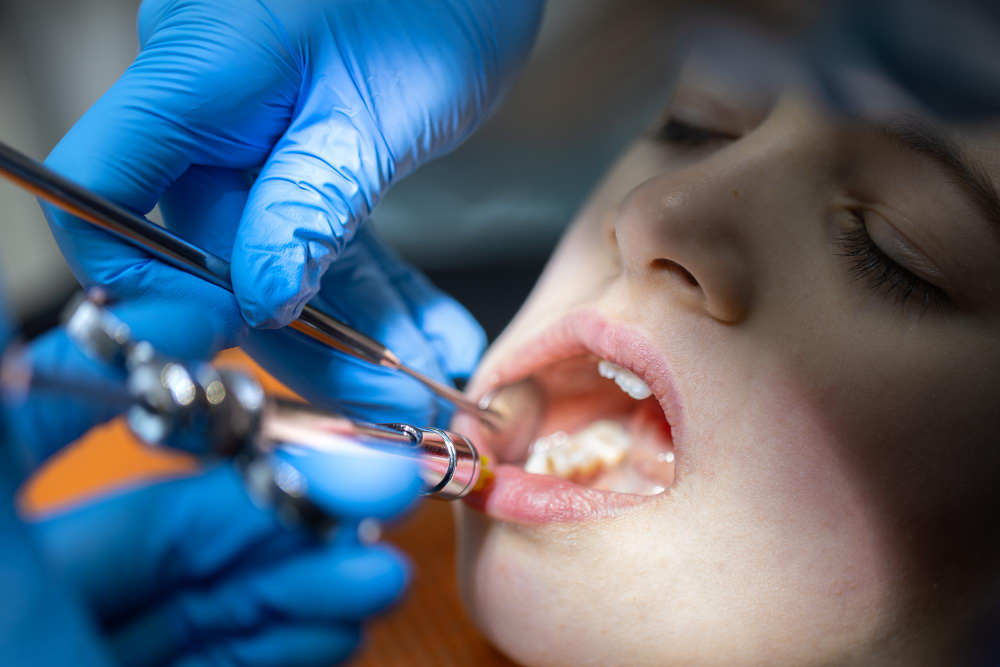
Gentle Treatment Delivery proceeds with topical numbing gel before any injection, and the dentist uses child-sized instruments and rubber dam isolation where appropriate. The child chooses a movie or music during the procedure. After treatment, the dentist checks bite and comfort, places a temporary or final restoration, and schedules review. Parents receive written aftercare and a 24-hour contact number. Most children return to school the same day.

Gentle Treatment Delivery
Pediatric Dentist vs General Dentist

Which Is Right for You?

Pediatric Dentist vs General Dentist


Both providers treat teeth, but they differ in training, equipment, and approach for young patients. A pediatric dentist completes an additional three-year MDS residency in pedodontics, learning child psychology, growth patterns, and behavior management that general dentists do not typically study. This specialist treats only children and teens, using smaller instruments, child-friendly decor, and techniques like tell-show-do to reduce fear. The limitation is that some families must travel to a dedicated pediatric clinic rather than their family dentist. A general dentist sees all ages and handles simple fillings or extractions for cooperative children, but may refer complex cases, anxious patients, or children needing sedation to a pedodontist. The general dentist requires no extra appointment at a separate location, but may lack the environment or patience for repeated uncooperative visits. The pedodontist confirms the right setting after examining the child and discussing parental concerns.

What Happens at

Your First Pediatric Dentist Consultation?

Searching 'Pediatric Dentist near me' in Manikonda leads here. This visit determines if your child needs preventive care, restorative work, or monitoring, and what the full process involves.

Examination 1

Examination


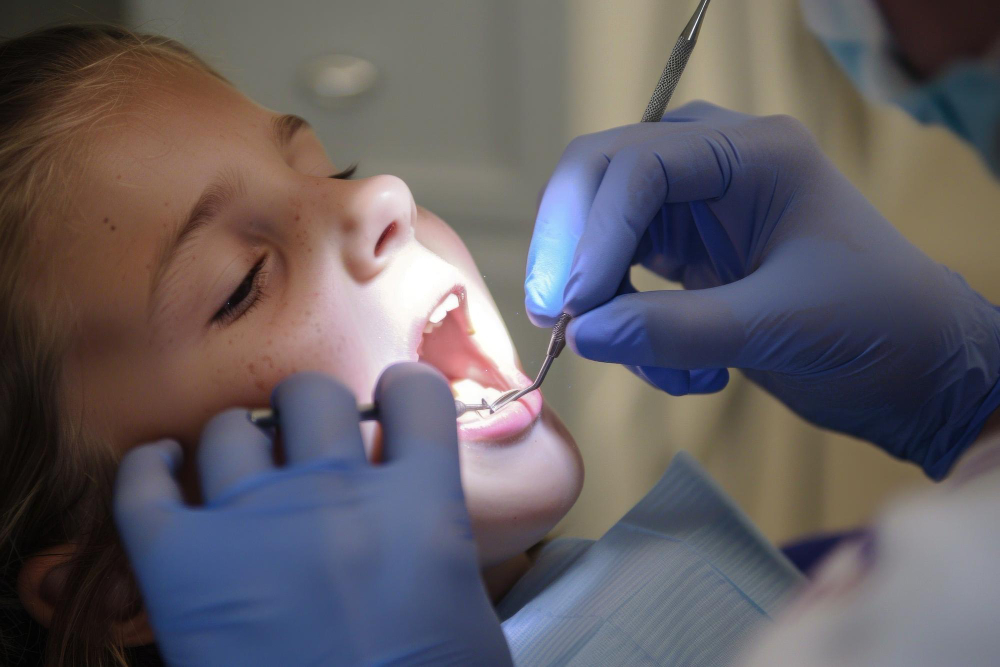
The pedodontist counts teeth, checks for decay, and assesses gum health while the child sits on the parent's lap.

History 2

History


Medical history, feeding habits, and past dental experiences are reviewed to plan safe, personalized care.

Records 3

Records


Small digital X-rays or photographs document findings when clinically necessary for diagnosis.

Planning 4

Planning


The dentist shows parents the findings, discusses priorities, and confirms the treatment sequence and schedule.

Guidance 5

Guidance


Oral hygiene instructions, diet tips, and the next review date are explained before leaving.

Why Galaxy Dental Care For

Pediatric Dentist in Manikonda?

Our pedodontists see children from Manikonda and surrounding IT corridors at Galaxy Dental Care.

– MDS pedodontists trained in child behavior management and preventive protocols.
– Multiple treatment options including sedation and space maintenance for every age group.
– Parents review plans and costs before any procedure begins with full transparency.
– Follow-up calls after treatment check comfort and answer questions at no extra charge.
– Open Monday to Sunday, 9 AM to 9 PM, for consultations and urgent child dental visits.

Pediatric Dentist in Manikonda?

Aftercare And

Recovery for Pediatric Dentist

Most children resume normal activity immediately after routine pediatric dental care. Mild gum tenderness or lip numbness from local anaesthesia lasts 2 to 4 hours. Parents should monitor eating until sensation returns fully.

1

Wait until numbness wears off before giving solid foods to prevent biting.

2

Brush gently with a soft child-sized brush twice daily.

3

Avoid sticky sweets and hard candies that pull at new fillings.

4

Return for the scheduled review or call if pain or swelling develops.

Icon

Our Dental Services

All Dental Treatments
Under One Roof

Testimonials

Book Your Dental Care
Appointment Now!

Mon-Sun 9:00am - 9:00pm
Call Us On +91 86866-76781

Visit Us
Choose The Nearest Dental Clinic Branch, Pick A Service And Time Slot.

icon

Frequently Asked Questions
Get clear answers on appointments, treatment steps, scans, safety, and follow ups.

Most children adjust within a day or two after a routine exam. After fillings or extractions, mild tenderness lasts 24 to 48 hours. Soft foods and gentle brushing help. Call if pain persists beyond two days.

Yes. The pedodontist uses child-sized instruments, explains steps in simple language, and offers nitrous oxide for anxious children. A parent may stay in the room. Safety protocols follow NABH standards.

Brush twice daily with fluoride paste, floss where teeth touch, and limit sugary snacks to mealtimes. Replace juice and milk with water at bedtime. Schedule check-ups every six months.

Routine reviews occur every six months. After restorative work, a follow-up in 2 to 4 weeks checks healing. Space maintainers and orthodontic monitors need adjustment visits every few months.

The cost depends on the procedure type, number of teeth treated, materials used, and whether sedation or specialist appliances are needed. A written estimate is provided after the initial examination.

Book Your Appointment

for a Healthier, Brighter Smile


Appointment

Request a
Call Back

Call Back

WhatsApp