Category: Dental Check-ups

  • What Should You Do About a Wisdom Tooth Cavity

    What Should You Do About a Wisdom Tooth Cavity

    The back tooth pain can be confusing, it feels like a mild pinch while chewing or food getting trapped at the very end of your jaw. Some people also notice a bad taste near the back gum. 

    To get over it you either treat a wisdom tooth cavity early with a filling, or remove the tooth if the decay is deep or the tooth is hard to clean. The right choice depends on your X-ray and the wisdom tooth position.

    At Galaxy Dental Care, we do not guess. Dentists take an X-ray, and explain your options clearly before proceeding. This blog will tell you what to do, when not to delay, and how to avoid complications, especially if you are searching for wisdom teeth removal near me or planning wisdom tooth extraction in Hyderabad.

    How Do You Know if a Wisdom Tooth Cavity is Mild or Serious?

    Wisdom tooth cavity is mild when it is small and accessible, and serious when you have strong pain, swelling, or any infection signs. The difference is not about how much it hurts, but what is happening under the gum.

    What you notice Mild Wisdom Tooth Cavity Signs Serious Wisdom Tooth Cavity Signs
    Pain pattern Mild pain only while chewing Pain lingers even after you stop eating
    Swelling No swelling Swelling near back gum or cheek
    Taste and smell No bad taste or pus Bad taste, foul smell, or pus-like discharge
    Food trapping Food gets stuck sometimes Food trapping with repeated inflammation
    Mouth opening Normal Difficulty opening the mouth fully
    What it usually means Early decay, often easier Wisdom Tooth Cavity Treatment Advanced decay or infection risk
    What to do now Book a check soon, avoid chewing there Book urgently, do not delay evaluation

    What Should You Do First When You Suspect a Wisdom Tooth Cavity?

    First, book a dental exam and X-ray for clear guidance. Avoid chewing on that side, keep the area clean, and do not self-medicate with antibiotics. Antibiotics do not cure cavities. They only control infection temporarily. 

    Can a Wisdom Tooth Cavity Be Filled and Saved?

    Yes, a wisdom tooth cavity can be filled if the tooth is fully erupted or the cavity is shallow. A filling works best when:

    • The wisdom tooth has erupted enough to reach easily
    • The decay is small to moderate
    • The tooth sits straight, not tilted
    • There is no repeated gum infection around the tooth

    If these conditions are met, wisdom tooth cavity treatment can be conservative, and saving the tooth may be reasonable.
    when does a wisdom tooth cavity

    When Does a Wisdom Tooth Cavity Need A Root Canal Or Removal?

    Deep decay near the nerve may need a root canal in some cases, but removal is often better when access is poor or infection keeps repeating. Here is a quick comparison of both the process:

    What you notice Mild Wisdom Tooth Cavity Signs Serious Wisdom Tooth Cavity Signs
    Pain pattern Mild pain only while chewing Pain lingers even after you stop eating
    Swelling No swelling Swelling near back gum or cheek
    Taste and smell No bad taste or pus Bad taste, foul smell, or pus-like discharge
    Food trapping Food gets stuck sometimes Food trapping with repeated inflammation
    Mouth opening Normal Difficulty opening the mouth fully
    What it usually means Early decay, often easier Wisdom Tooth Cavity Treatment Advanced decay or infection risk
    What to do now Book a check soon, avoid chewing there Book urgently, do not delay evaluation


    If your goal is long-term peace, wisdom tooth removal in Hyderabad is the cleanest solution.

    What Happens if You Ignore a Wisdom Tooth Cavity?

    If you ignore a wisdom tooth cavity, there are high chances decay can spread to the gum, jawbone, and the tooth in front, leading to swelling and emergency treatment.

    Ignoring it often turns a manageable wisdom tooth cavity treatment into an urgent infection visit.

    What Does Treatment For a Wisdom Tooth Cavity Look Like at the Clinic?

    Treatment for wisdom tooth cavity starts with an exam and X-ray, then the filling, root canal, or extraction is confirmed based on tooth position and decay depth. Step-by-step patient experiences are:

    • Check symptoms and examine the tooth, gum health
    • Take an X-ray to see decay depth and tooth angle
    • Explain options clearly: filling, RCT in select cases, or removal
    • Treat infection first if swelling or pus is present
    • Do the procedure with proper numbing and pain control
    • Give after-care instructions so healing stays smooth
    • Schedule follow-up if needed

    How Can You Prevent Cavities In Wisdom Teeth In The Future?

    Prevention is mostly about access and routine. Following steps can be followed to prevent wisdom tooth cavities

    • Use a small-head brush to reach the back molars
    • Angle the brush toward the gumline behind the last tooth
    • Floss the second molar properly, especially the back side
    • Rinse after sticky meals if brushing is not possible
    • Get regular dental checkups so early decay is caught
    • If the wisdom tooth is repeatedly inflamed, discuss early removal

    Many future problems are prevented when we remove a poorly positioned wisdom tooth before it destroys the tooth in front.

    Schedule a Visit with the Best Dentist at Galaxy Dental Care

    As soon as you notice back tooth pain, food trapping, a bad taste, or swelling, you should visit the best dental clinic in Kondapur because early care keeps a wisdom tooth cavity simple to fix. 

    If the tooth is fully erupted and the decay is reachable, Galaxy Dental Care plans a wisdom tooth filling only when it has a real chance of lasting. If the tooth is tilted, hard to clean, or infection is likely to repeat, we recommend wisdom tooth extraction in Hyderabad as a planned, step-by-step procedure with proper numbing and clear after-care.

    Galaxy Dental Care helps you decide faster with:

    • Clear diagnosis: clinical exam plus X-ray review before treatment decisions
    • Straight talk, no confusion: you know if saving the tooth makes sense or removal is the smarter long-term choice
    • Comfort-focused approach: proper anesthesia, calm explanations, and after-care guidance you can actually follow
    • Easy follow-ups: multiple Hyderabad locations so you can pick what fits your routine

    Whether you need wisdom tooth cavity treatment with a wisdom tooth filling or a planned wisdom tooth extraction in Hyderabad, we will guide you with clarity from day one. Call/WhatsApp: +91 8686676781
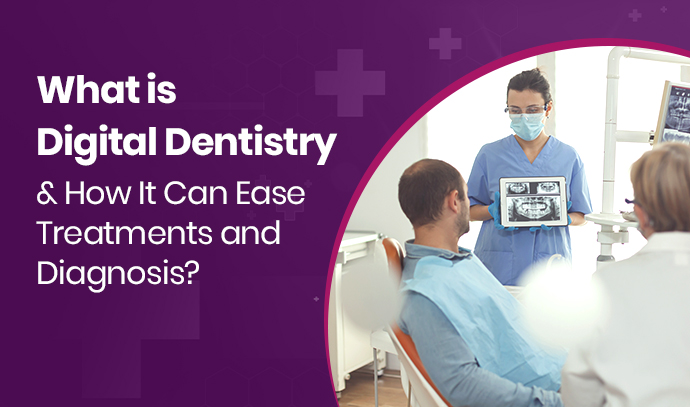
  • What is Digital Dentistry and How It Can Ease Treatments and Diagnosis

    What is Digital Dentistry and How It Can Ease Treatments and Diagnosis

    A lot of patients walk with confusion over understanding what is really happening before I spend money or  I do not want messy impressions again. If that sounds like you, you are not asking for anything extra. You are asking for clarity. That is exactly what digital dentistry is built for.

    Digital dentistry is not a trend. It is a smarter way to diagnose, plan, and deliver treatment using digital scans, 3D imaging, and computer guided workflows. When used correctly, digital dentistry eases treatments and diagnosis because it reduces guesswork, improves precision, and helps you see what the dentist sees.

    At Galaxy Dental Care, we use modern diagnostics and planning tools to make treatment simpler for patients. We have multiple branches across Hyderabad, so follow ups feel easy. If you are searching for a dental clinic near me or comparing options for the best dentist in Hyderabad, this blog will help you understand what digital dentistry actually changes for you.

    Understanding Digital Dentistry

    Digital dentistry means using digital scans, images, and computer planning to diagnose and treat dental problems more accurately and comfortably. It replaces many old steps that felt messy, unclear, or time consuming.

    Many patients notice the difference immediately. You can see your teeth on a screen, understand what is happening faster and ask better questions. This is the reason digital dentistry eases treatments and diagnosis for common people.

    How Does Digital Dentistry Ease Dental Treatments and Diagnosis for Patients?

    Digital dentistry improves clarity, predictability, and comfort from the start. You get fewer surprises because plans are made with better information. Here is what patients usually feel:

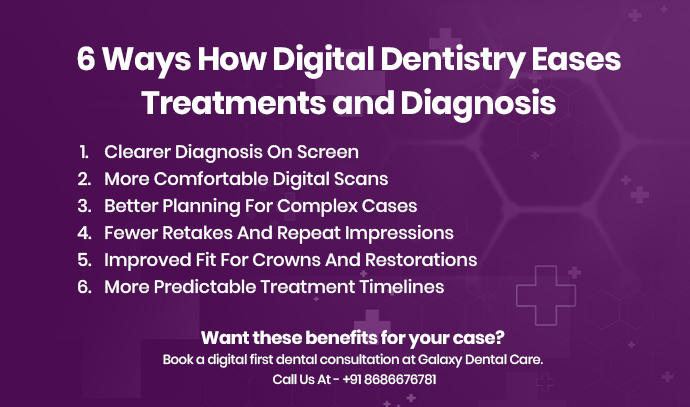
    • Clearer diagnosis: digital images make it easier to spot the real issue
    • Better explanation: you see the problem, not only hear about it
    • Fewer retakes: digital impressions reduce the chances of repeat steps
    • Better planning: complex cases become safer when planned in 3D
    • More confidence: you understand your options before treatment begins

    This technique makes your care feel more guided with less trial and error.

    key digital dentistry

    Key Digital Dentistry Tools and Technologies

    The key tools in digital dentistry help dentists capture accurate information, design solutions, and deliver treatment with better fit and control. You do not need to remember every tool name. You only need to know what it does for you.

    1) Digital X-Rays

    Digital X rays give quick images with clear detail. They help us diagnose cavities, infections, bone changes, and more.

    2) OPG

    OPG gives a full mouth view. It helps us see teeth, jawbone, and overall structure in one image and supports smarter treatment planning.

    3) CBCT 3D scan

    CBCT shows 3D anatomy. It is useful when we need to check bone volume, nerves, sinus areas, or plan implants safely. 

    4) Intraoral scanner

    This tool creates a 3D model of your teeth. It often replaces old impression trays. Patients like it because it feels cleaner and more comfortable.

    5) Digital design and planning

    Computer planning helps us design restorations and plan steps more accurately. It also helps us explain the plan clearly.

    6) Guided workflows for complex procedures

    For treatments like implants or aligners, digital planning can guide the procedure step by step. 

    Thus, these tools support real world applications of digital dentistry.

    What are the Most Common Applications of Digital Dentistry in Everyday Dental Care?

    The most common applications of digital dentistry include diagnosis, crowns and bridges, implants, aligners, and smile planning. 

    You do not need a big makeover to benefit from it. The real value comes when these applications are used to make your case clearer and safer.

    Does Digital Dentistry Reduce Treatment Time, Visits, Or Discomfort?

    Digital dentistry often reduces chair time, avoids repeat steps, and makes planning faster, but the exact benefit depends on the treatment,correct diagnosis and good clinical execution. It does not make dentistry magical but smoother.

    Book Your Appointment at the Best Dental Clinics, Equipped With All the Advanced Dentistry Tools and Technologies! 

    If you want digital first diagnosis support, clear explanations, and branch convenience across Hyderabad choose Galaxy Dental Care. We focus on planning with modern diagnostics and explaining the plan in simple words. We also have multiple locations, which is a big advantage when you are searching for a dental clinic in Manikonda or dental clinic in AS Rao Nagar and want consistent follow ups.

    • Call Us At: +91 8686676781
    • Timings: 9:00 AM to 9:00 PM, Monday to Sunday
  • Early Childhood Cavities: Prevention And Treatment

    Early Childhood Cavities: Prevention And Treatment

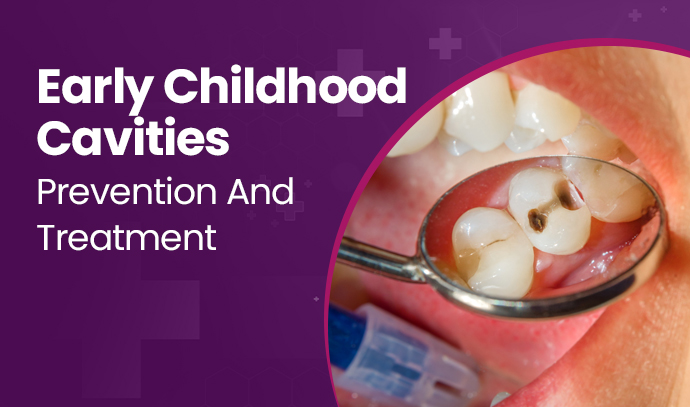
    As a parent, it is scary to see spots on your child’s teeth. It also gets challenging when your child cries during brushing or eating. Many parents worry they missed something and are usually concerned about early childhood cavities. 

    Here is the direct answer. Tooth decay in young kids is common, but it is also preventable in many cases. When you act early, dental care is usually simpler and gentler.

    At Galaxy Dental Care, a best pediatric dental clinic in Hyderabad for many families, our pediatric dentist in Hyderabad helps parents with clear, calm guidance on early childhood cavities. This blog covers early childhood prevention steps, early signs for cavities in children, safe treatment steps and the right time to book your appointment with a pediatric dentist near me. 

    What Causes Tooth Decay In Babies And Toddlers?

    Tooth decay can start soon after the first tooth comes in because baby teeth are softer and daily habits are still forming. Baby teeth have a thinner outer layer. Plaque can build up fast if teeth are not cleaned well. Bacteria then make acids that weaken the tooth surface.

    What Early Signs Show Cavities In Children?

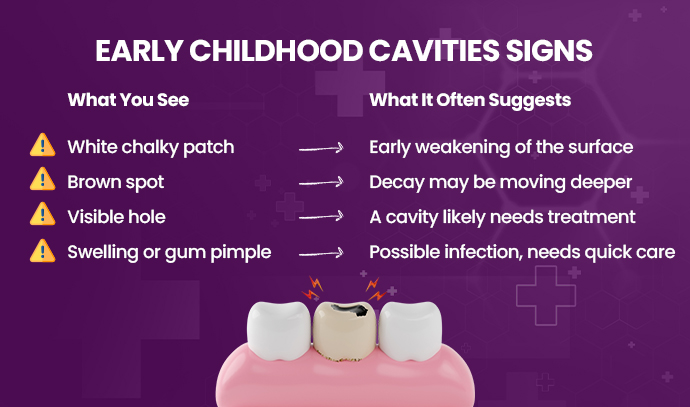
    Early signs for cavities in children often show on the tooth before your child can explain pain. So, what you notice matters. Common signs for cavities in children include:

    • White chalky patches near the gums,
    • Brown or dark spots on teeth,
    • Crying or refusing brushing,
    • Pain while chewing,
    • Bad breath that comes back soon.

    White spots can sometimes be reversed or managed with professional care. Brown spots often need a dentist to check for active decay. If you notice any white or brown spots on your child’s teeth, booking an appointment with the best pediatric dentist in Hyderabad is a safe option.

    Do Cavities In Children Matter If They Are Only In Baby Teeth?

    Yes. Cavities in children can still cause pain and poor sleep. They can also affect eating and speech. Baby teeth hold space for adult teeth. If a baby tooth is lost early, teeth can shift. This can raise the risk of crowding later.

    If you notice any signs of cavities in children, do not delay the treatment. Schedule your appointment with the pediatric dentist near me in Hyderabad. 

    How Fast Can Tooth Decay Worsen In Young Kids?

    In young kids, decay can move fast because baby teeth are smaller and the enamel is thinner. A small spot can become a deeper cavity within weeks or a few months. This is more likely if sweet drinks are frequent and the bedtime brush is missed.

    What Does Early Childhood Prevention Look Like At Each Age?

    Early childhood prevention works best when it matches your child’s age and routine.

    What Should Parents Do From 6 Months To 2 Years?

    • Wipe gums after feeds
    • Start brushing when the first tooth erupts
    • Avoid sleeping with milk in the mouth
    • Avoid sweet pacifiers, honey, or jaggery on dummies

    Night feeding after teeth erupt is a common trigger for early decay.

    What Should Parents Do From 2 Years To 5 Years?

    • Brush twice a day, especially before bed
    • Use a rice grain sized smear of fluoride toothpaste
    • Keep snacks at set times
    • Limit biscuits, sweets, and juice between meals

    Less sugar exposure across the day reduces risk.

    What Should Parents Do From 5 Years To 8 Years?

    • Supervise brushing and correct technique
    • Encourage water rinsing after meals
    • Keep routine dental checks

    Some children may benefit from protective sealants on back teeth. 

    Whether you’re a parent of a toddler or a teen, booking an appointment at the best pediatric dental clinic in Hyderabad will help you find the best treatment for cavities in children or early childhood cavities. 

    Which Habits Raise The Risk Of Early Tooth Decay?

    Tooth decay often comes from small habit gaps, not poor parenting. Higher risk habits include:

    • Frequent snacking
    • Sticky foods that stay on teeth
    • Sweetened milk, juice, or flavoured drinks
    • Night feeding after teeth erupt
    • Skipping the bedtime brush
    • Mouth breathing that dries the mouth

    If your child has sweets, keep them with meals. Then rinse with water. Do not skip the bedtime brush. For more such pediatric dental tips, do not miss your appointment with pediatric dentist in Hyderabad. 

    early childhood prevention

    When Should Parents Visit A Pediatric Dentist?

    A child should see a dentist by age one. Another good rule is within six months of the first tooth. Go sooner if you see spots, pain, or brushing trouble.

    Whether you’re searching for a pediatric dental clinic near me, or looking for an experienced pediatric dentist near me, your search ends with Galaxy Dental Care. Our experienced pediatric dentist in Hyderabad understands child behaviour and fear. We keep visits calm and child friendly. Our pediatric dentist in Hyderabad explains what is normal for your child’s age. We also tell you what needs care now and what can be watched.

    What Are Safe Treatment Options For Tooth Decay In Young Children?

    Treatment depends on the stage of decay. At Galaxy Dental Care, the goal is comfort and safety.

    What Parents Notice What We May Do
    White spots Improve home care, add protective care if needed
    Brown spots Stop progression with early treatment planning
    Visible cavity A filling to restore the tooth
    Weak tooth A child sized crown for protection
    Swelling or repeated pain Same day check to rule out infection


    For higher risk children, fluoride varnish can help when used with good daily habits. Our pediatric dentist in Hyderabad keeps visits short and calm. We explain each step in simple words.

    Book A Child Friendly Visit At Galaxy Dental Care

    Early childhood cavities can feel worrying, but most cases are manageable when you act early. If you want a clear plan for early childhood prevention, we can help.

    Offering all-in-one dental treatments under one roof with modern technology and personalised approach, we are the one-stop solution for all dental needs. Located at Kondapur, Kukatpally, Banjara Hills, Chandanagar, Nallagandla, Kompally and Manikonda, we ensure children, adults, and families receive timely care close to home, with clear guidance at every step.

    Call our pediatric dentists now at +91-8686676781 to book your appointment today.

  • The Importance of Regular Dental Check-ups: How Often Should You Visit the Dentist?

    The Importance of Regular Dental Check-ups: How Often Should You Visit the Dentist?

    Introduction

    Many people tend to visit the dentist only when they experience pain or discomfort. However, regular dental check-ups are essential to maintain healthy teeth and gums. By understanding why preventive care matters and how often you should schedule appointments, you can avoid major dental issues in the future.

    Why Preventive Care Matters

    1.Early Detection of Problems: Routine visits allow dentists to spot early signs of cavities, gum disease, or other dental issues. Early detection prevents complications and often reduces treatment costs.

    2.Plaque and Tartar Removal: Even with diligent brushing and flossing, plaque can build up in hard-to-reach areas. Regular professional cleanings can remove this build-up and prevent tooth decay.

    3.Maintaining Overall Health: Poor oral health has been linked to conditions like diabetes and heart disease. Keeping your mouth healthy also supports your overall well-being.

    How Often Should You Visit the Dentist?

    • General Guideline: Most dental professionals recommend visiting the dentist every six monthsfor a check-up and cleaning.
    • Personal Factors: If you have a history of gum disease or frequent cavities, your dentist may recommend more frequent visits—possibly every 3-4 months.
    • High-Risk Groups: Smokers, pregnant women, and individuals with diabetes may need additional care and should consult with their dentist for a personalized schedule.

    What to Expect During a Routine Check-up

    • Thorough Examination: The dentist or hygienist will examine your teeth, gums, and mouth for any signs of issues such as cavities or gingivitis.
    • Professional Cleaning: A dental hygienist will remove plaque, tartar, and polish your teeth.
    • X-Rays (As Needed): If necessary, X-rays help identify hidden problems like impacted teeth or decay between teeth.

    Tips for Maintaining Oral Health Between Visits

    • Brush Twice Daily: Use a soft-bristled brush and fluoride toothpaste, and remember to brush for two minutes each time.
    • Floss Regularly: Flossing removes food particles and plaque between teeth where a toothbrush can’t reach.
    • Limit Sugary Foods and Drinks: Sugar promotes bacteria growth, so moderating sweet treats can help prevent cavities.
    • Stay Hydrated: Drinking enough water helps keep saliva levels healthy, which is important for neutralizing acids and washing away debris.

    Conclusion

    Regular dental check-ups are the cornerstone of good oral health. By scheduling visits every six months (or as recommended by your dentist), you can catch potential problems early and keep your smile bright for years to come.