Dental Implants
Dental Implants

Dental Implants

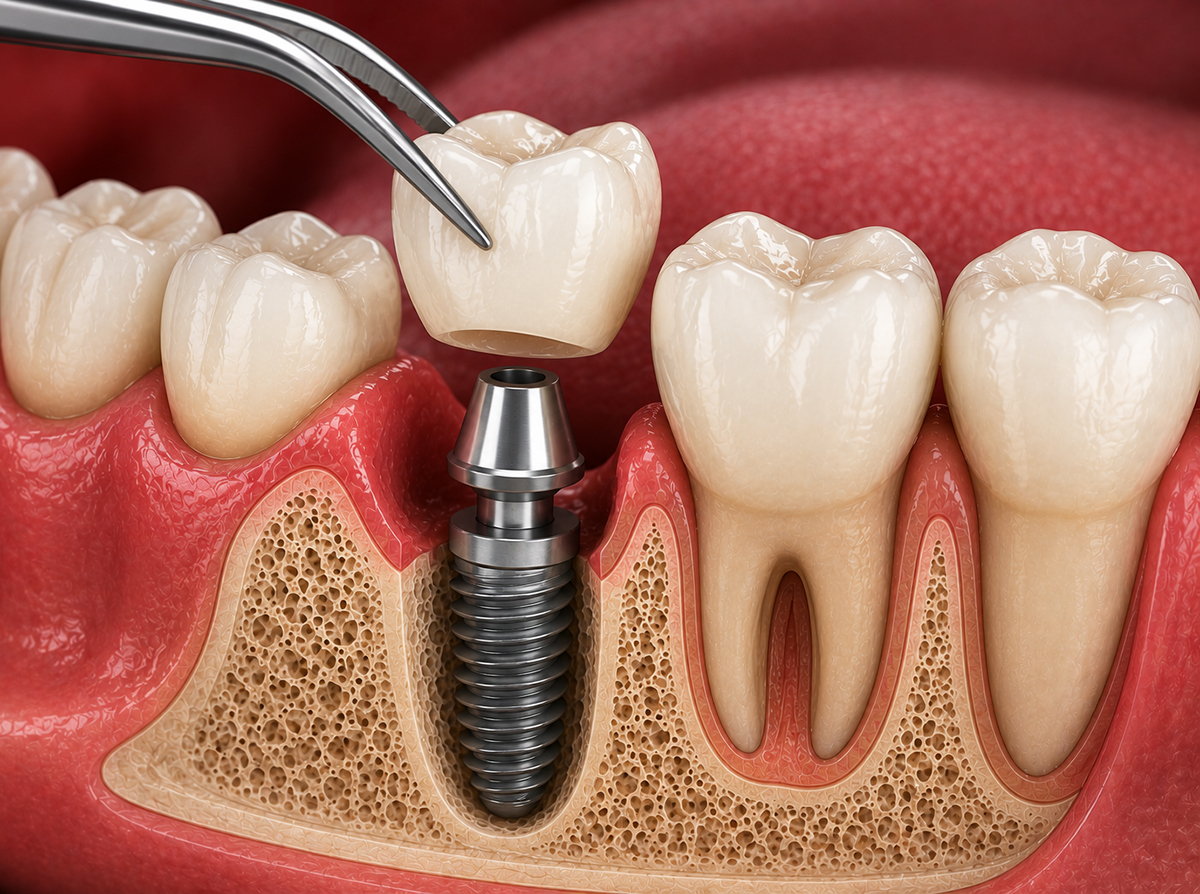
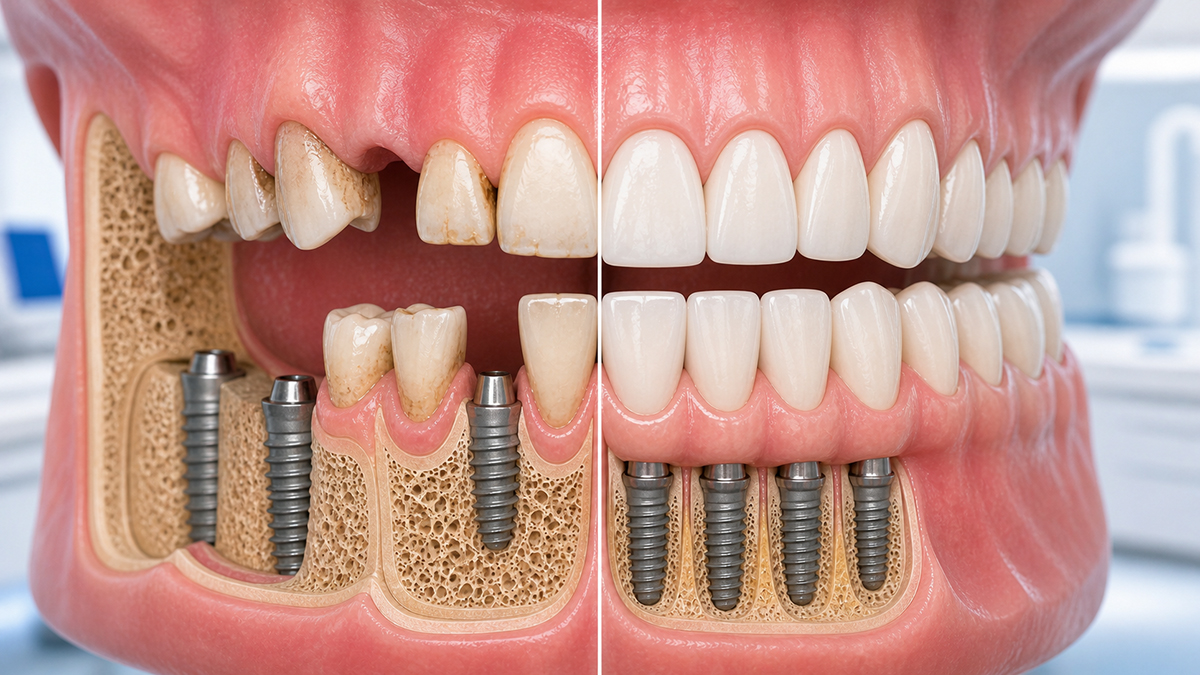
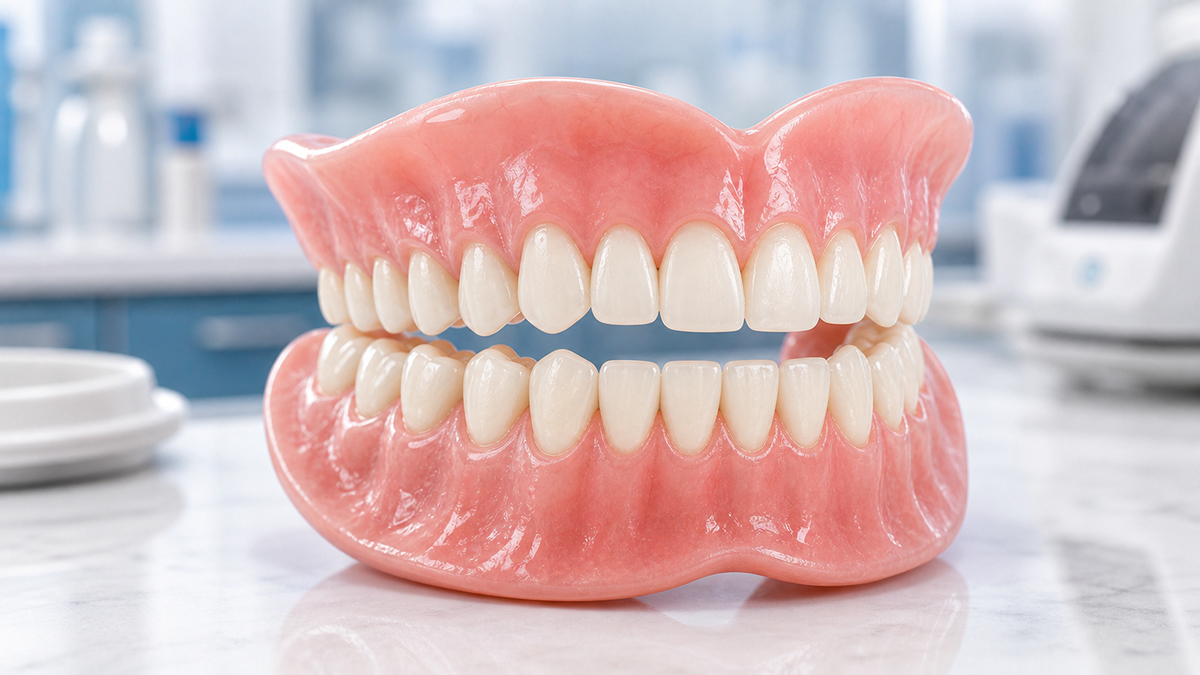
Dental implants are a modern and durable solution for replacing missing teeth, offering a natural look and feel while restoring full oral function. A dental implant consists of a titanium post that is surgically placed into the jawbone, where it acts as an artificial tooth root. Over time, the implant fuses with the bone through a process called osseointegration, creating a stable foundation for a dental crown, bridge, or even a full set of dentures. This fusion not only provides strength but also prevents the bone loss that typically occurs when teeth are missing.

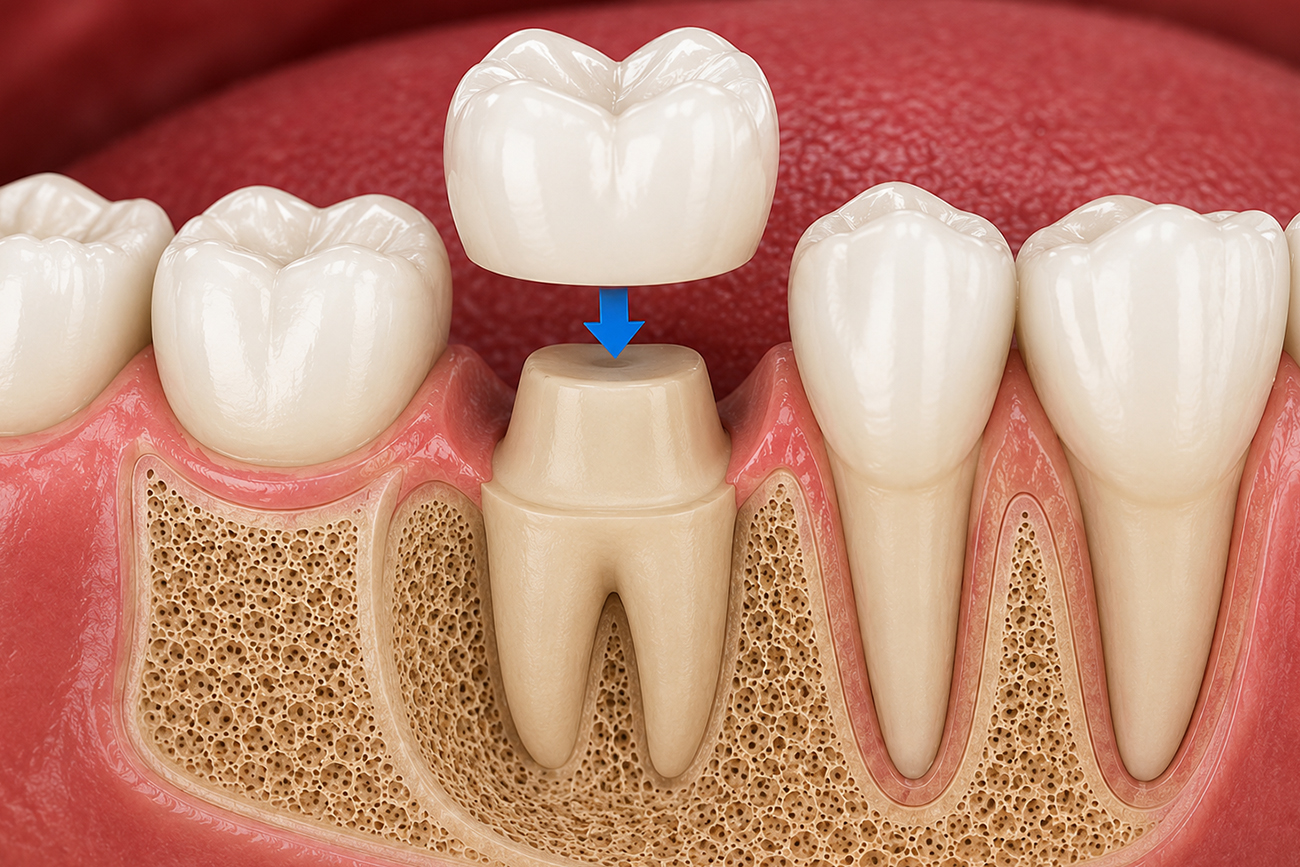
The procedure usually involves three steps: placing the implant, allowing it to heal and integrate with the jawbone, and attaching a custom-made crown to complete the restoration. Dental implants look, feel, and function like natural teeth, enabling patients to eat, speak, and smile with confidence. With proper care, implants are a long-lasting solution that enhances both oral health and appearance.

Open Hours
  • Monday – Sunday:9.00 Am – 21.00 Pm

The Dental Implant Procedure

  • Consultation and Evaluation: The dentist evaluates the patient’s oral health and jawbone density with exams and X-rays to determine if they’re a good candidate for implants. In some cases, bone grafting may be required if there isn’t enough bone to support the implant.
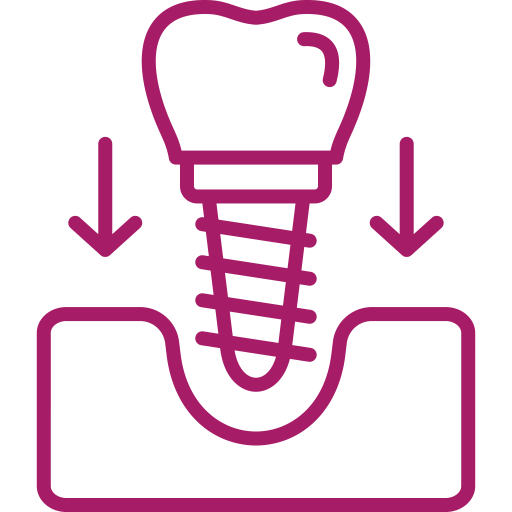
  • Implant Placement: The titanium post is surgically placed into the jawbone under local anesthesia. Over a few months, the implant naturally integrates with the bone.
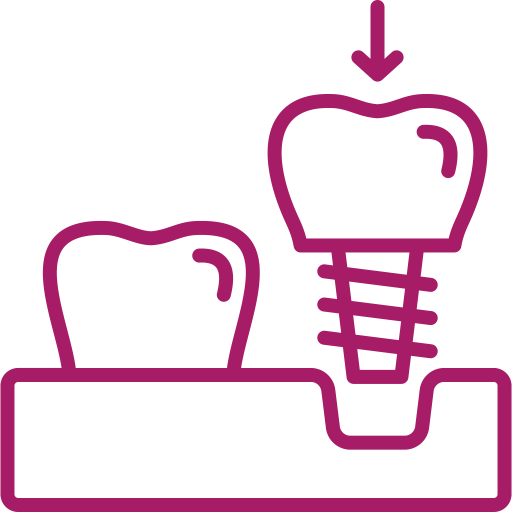
  • Abutment and Crown Placement: Once healed, a connector called an abutment is attached to the implant, followed by a custom-made crown that resembles a natural tooth.

Benefits of Dental Implants

  • Natural Look and Feel: Implants look and feel like real teeth, blending seamlessly with natural teeth for a beautiful, functional smile.
  • Improved Functionality: Implants restore full chewing and speaking abilities, enhancing comfort and quality of life.
  • Durable and Long-Lasting: With proper care, dental implants can last a lifetime, making them a durable investment in oral health.
  • Prevents Bone Loss: Implants stimulate the jawbone, preventing the bone loss that typically occurs with missing teeth.
  • Preserves Adjacent Teeth: Unlike traditional bridges, implants do not rely on neighboring teeth for support, preserving their health and structure.

FAQ

1. What are dental implants?

Dental implants are artificial tooth roots made from titanium that are surgically placed into the jawbone to support a crown, bridge, or denture. They function and look like natural teeth.

2. Who is a good candidate for dental implants?

Most adults with missing teeth and good oral health are candidates for dental implants. However, sufficient jawbone density is needed to support the implant. If bone loss has occurred, a bone graft may be required.

3. Are dental implants safe?

Yes, dental implants are considered safe and have a high success rate. They are made from biocompatible materials, which minimizes the risk of rejection or allergic reaction.

4. Is the dental implant procedure painful?

The procedure is usually performed under local anesthesia, so patients experience minimal pain during placement. Some post-procedure discomfort is normal, but it can be managed with prescribed pain relievers.

5. How long does the implant process take?

The entire process can take several months. After the implant is placed, it takes 3-6 months for it to fuse with the jawbone (osseointegration) before the final crown or restoration is attached.

6. How long do dental implants last?

With proper care, dental implants can last a lifetime. The attached crown may need replacement after 10-15 years due to wear.

7. Will my dental implants look natural?

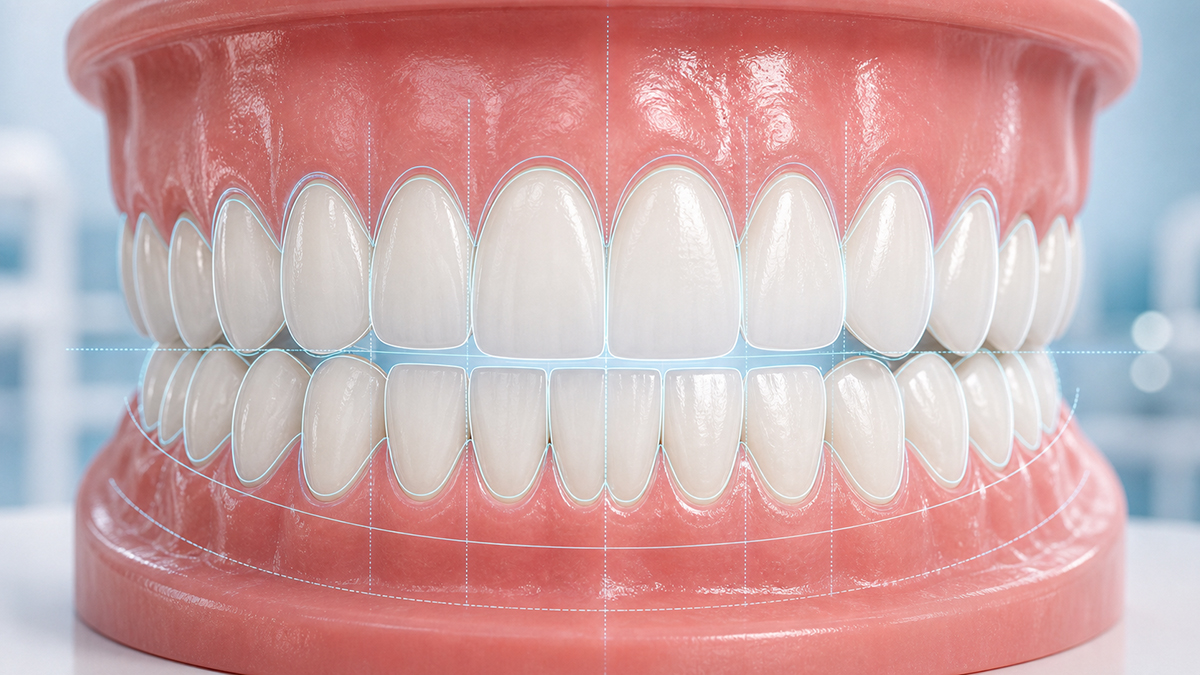
Yes, dental implants are designed to blend seamlessly with natural teeth. The crown or restoration is custom-made to match the color, shape, and size of surrounding teeth.

8. Are dental implants covered by insurance?

Some insurance plans partially cover implants, though this varies widely. Many dental offices also offer payment plans for added flexibility.

9. How should I care for my dental implants?

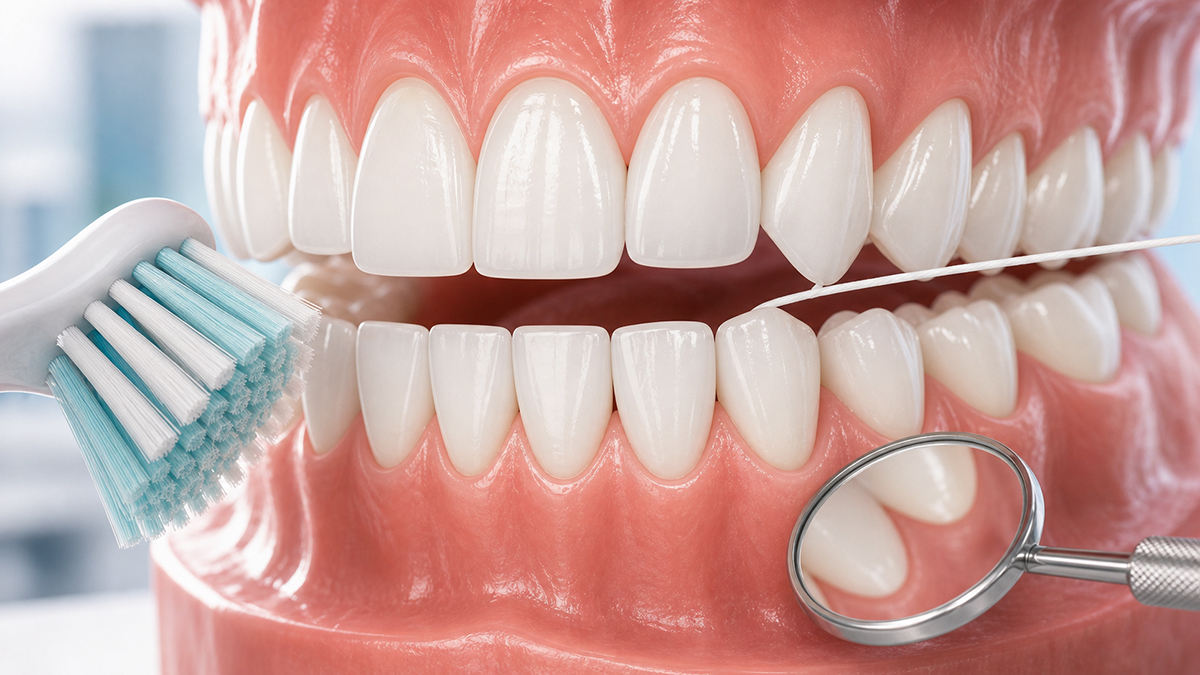
Caring for implants is similar to natural teeth: brush and floss daily and visit the dentist regularly for check-ups and cleanings.

10. What are the risks of dental implants?

While generally safe, potential risks include infection, implant failure, nerve damage, and sinus problems (if placed in the upper jaw). Choosing an experienced implant specialist minimizes these risks.
Quick Menu