Which Is Right for You?
Splint vs Bite Adjustment
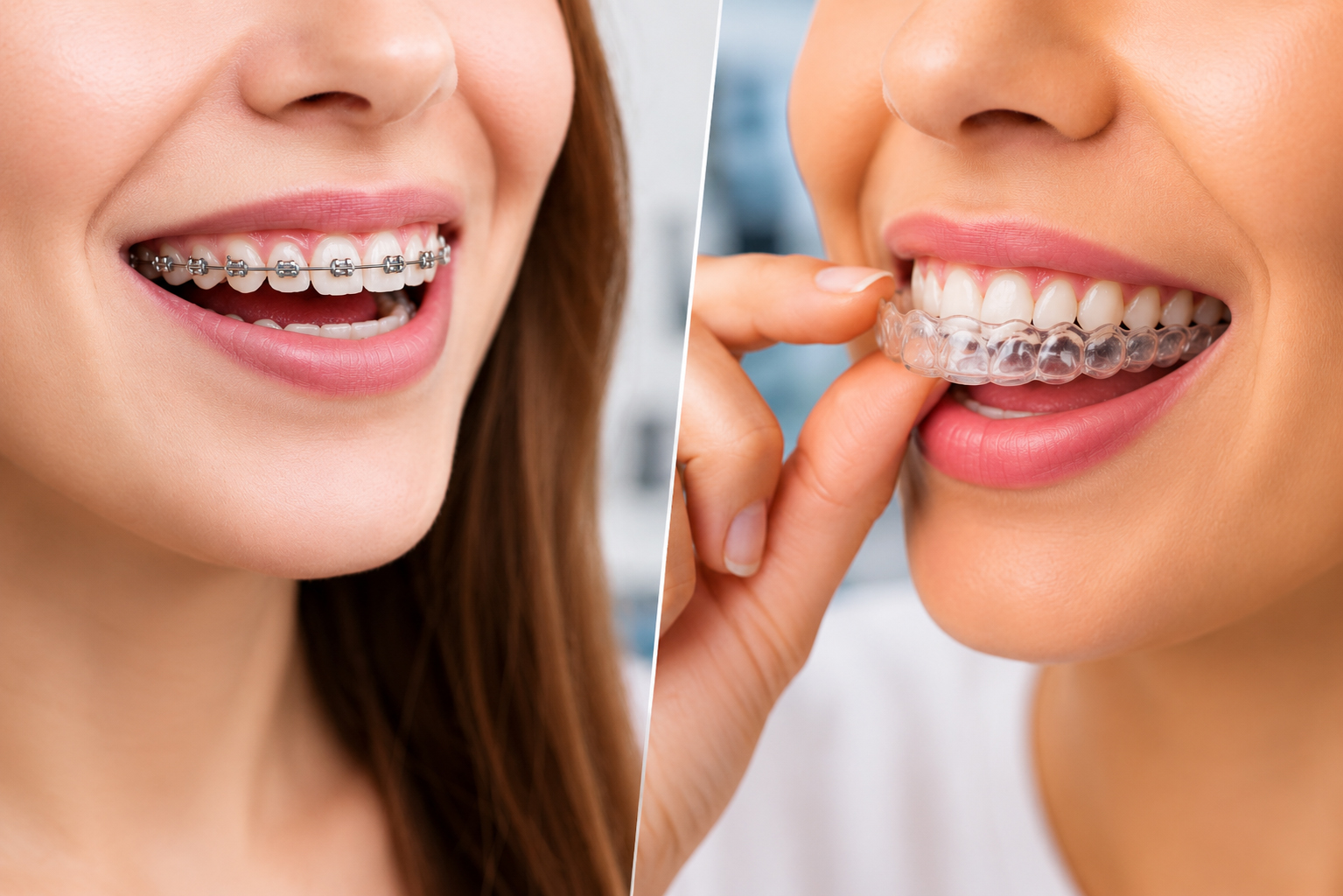
Both options reduce strain on the temporomandibular joint but differ in mechanism, cost, and whether tooth structure is involved.
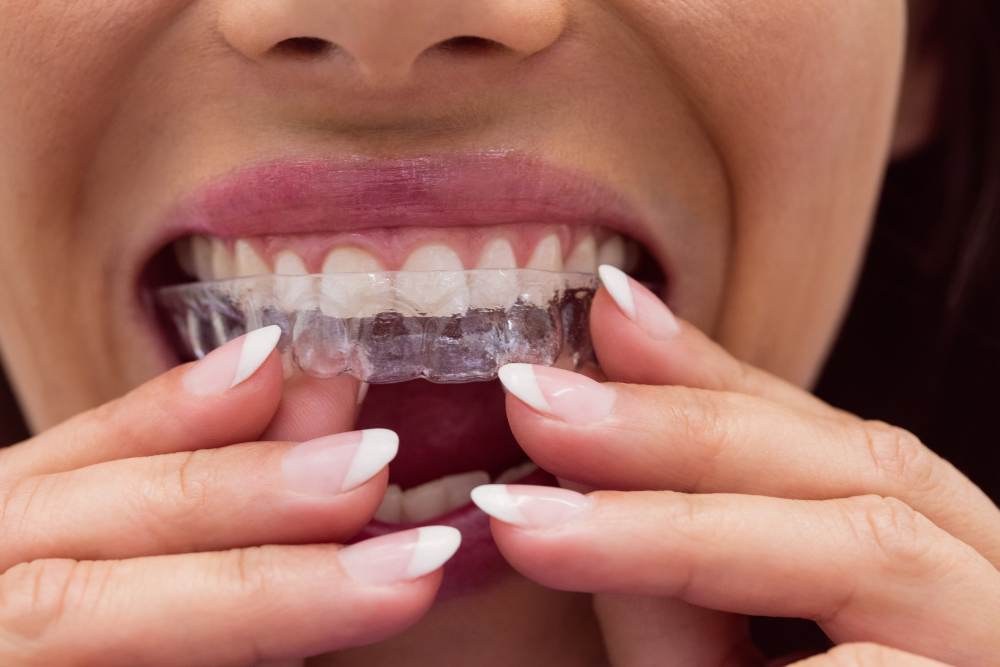
A custom occlusal splint is removable, protects teeth from grinding, and lets inflamed muscles and joint tissues rest without altering the teeth themselves. It suits patients with clear clenching or grinding habits, muscle pain without major bite collapse, or those who want a reversible first step. The limitation is nightly compliance; it only works when worn, and some patients find it takes several nights to adapt to sleeping with it in place.
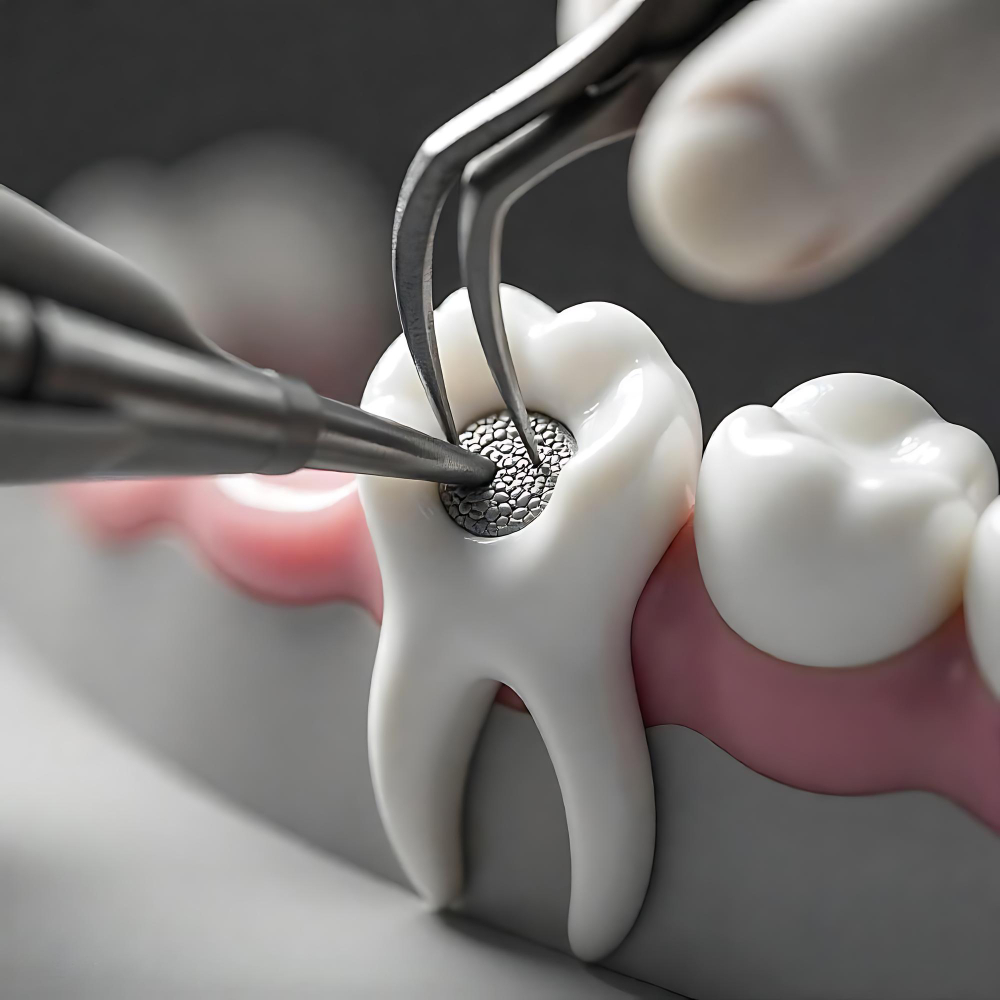
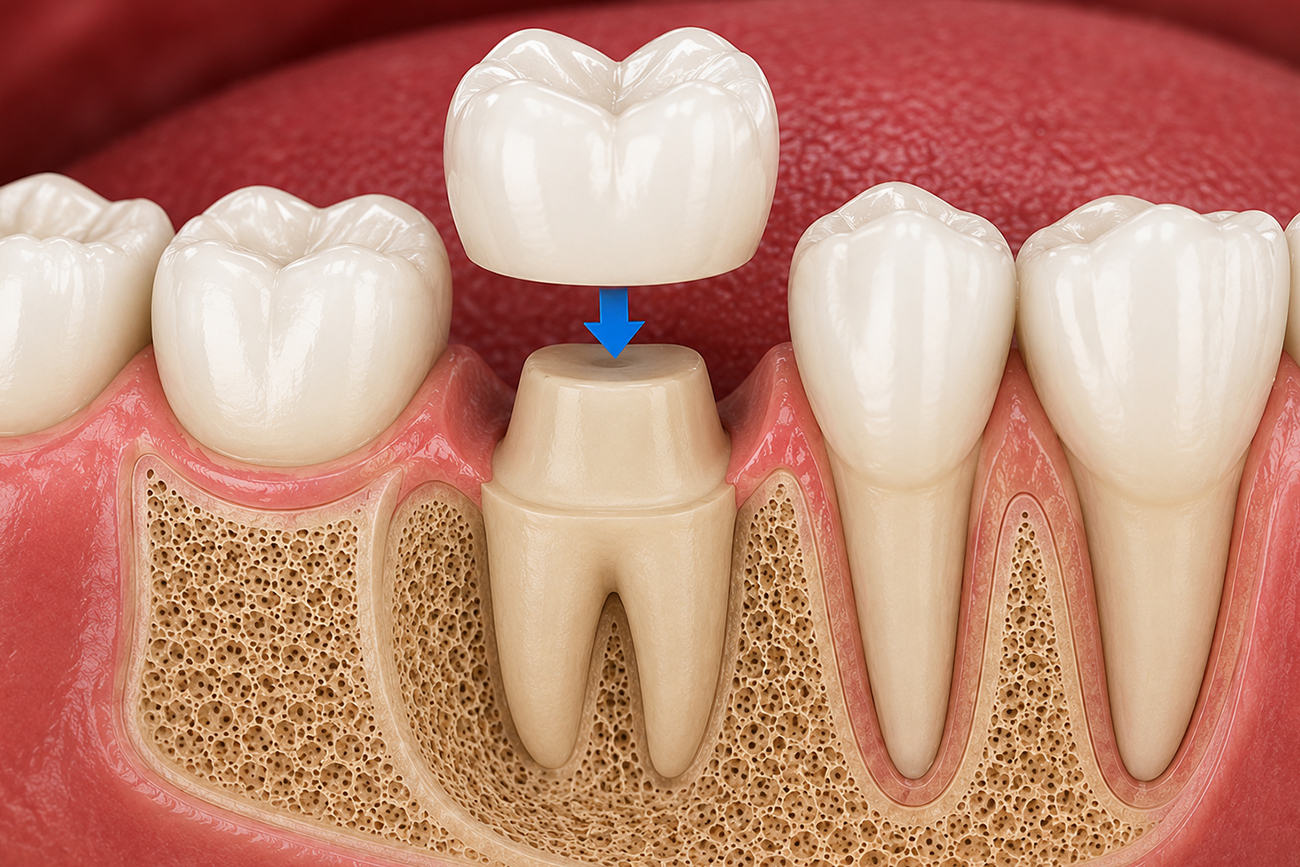
Bite adjustment, also called occlusal equilibration, reshapes specific tooth surfaces or replaces worn restorations to create even contact across the bite. It suits patients whose TMJ symptoms clearly trace to a high spot, tilted tooth, or failing crown that forces the jaw to shift on closing. It requires permanent alteration of tooth enamel or restoration replacement, carries a higher initial cost, and may need combined splint therapy afterward if muscle habits persist.
The prosthodontist or oral and maxillofacial surgeon at Galaxy Dental Care confirms the right option after clinical examination, OPG and CBCT review, and discussion of the patient’s daily symptoms and preferences. Tmj Treatment in Chandanagar follows identical assessment protocols.