Which Is Right for You?
Splint vs Surgery for TMJ
Both options aim to reduce pain and restore jaw function, but they differ in invasiveness, recovery time, cost, and the structural problems they address.
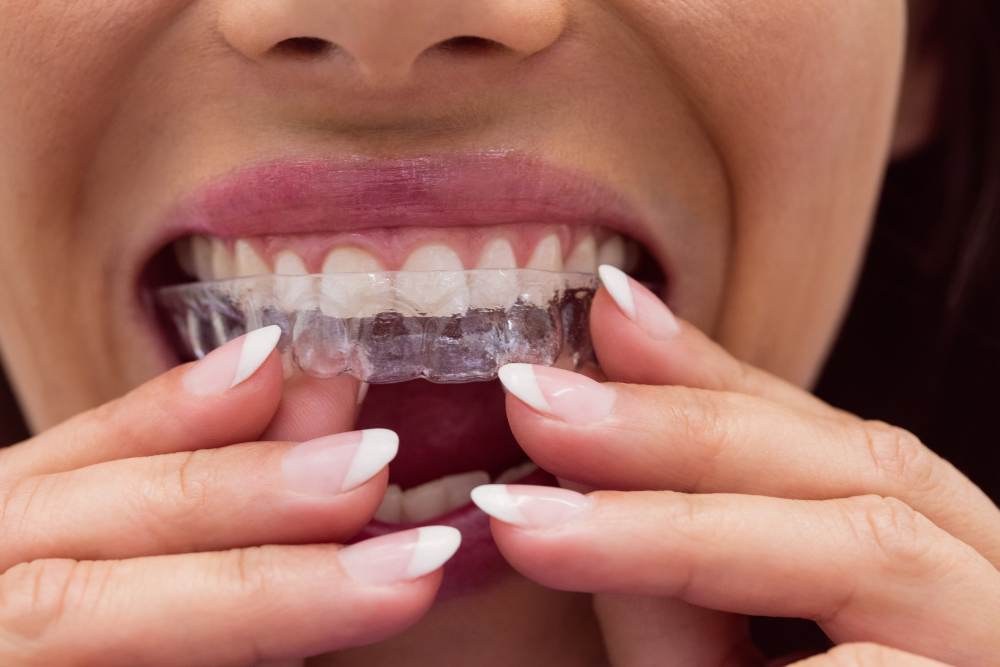
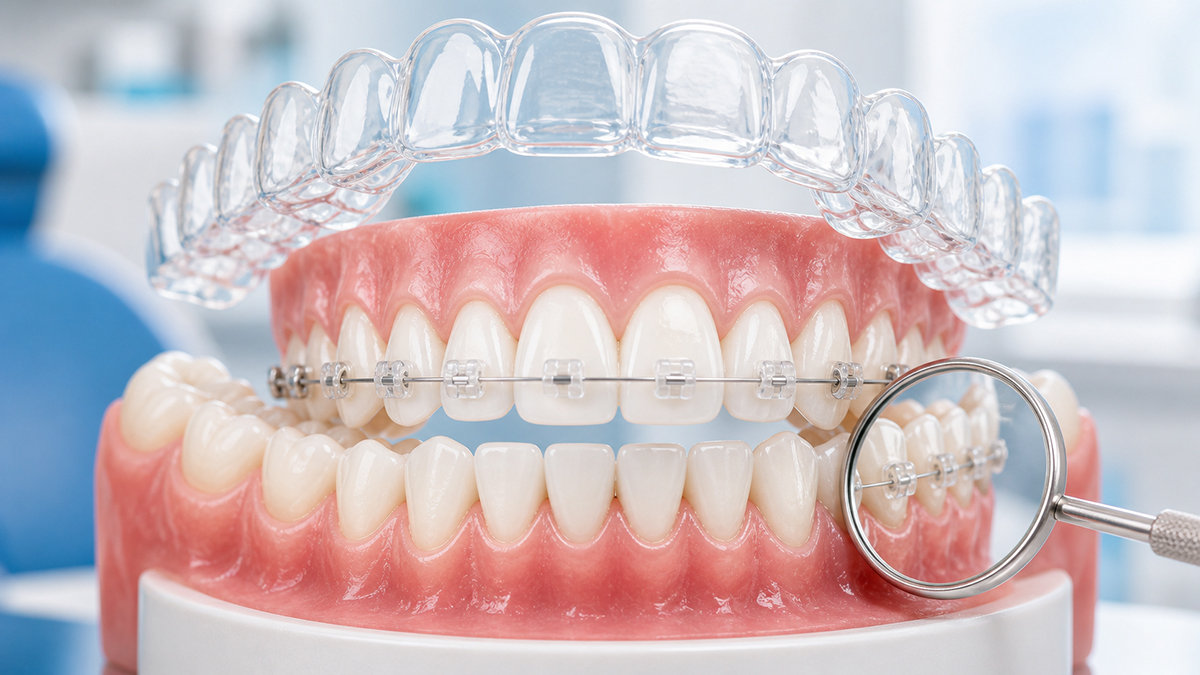
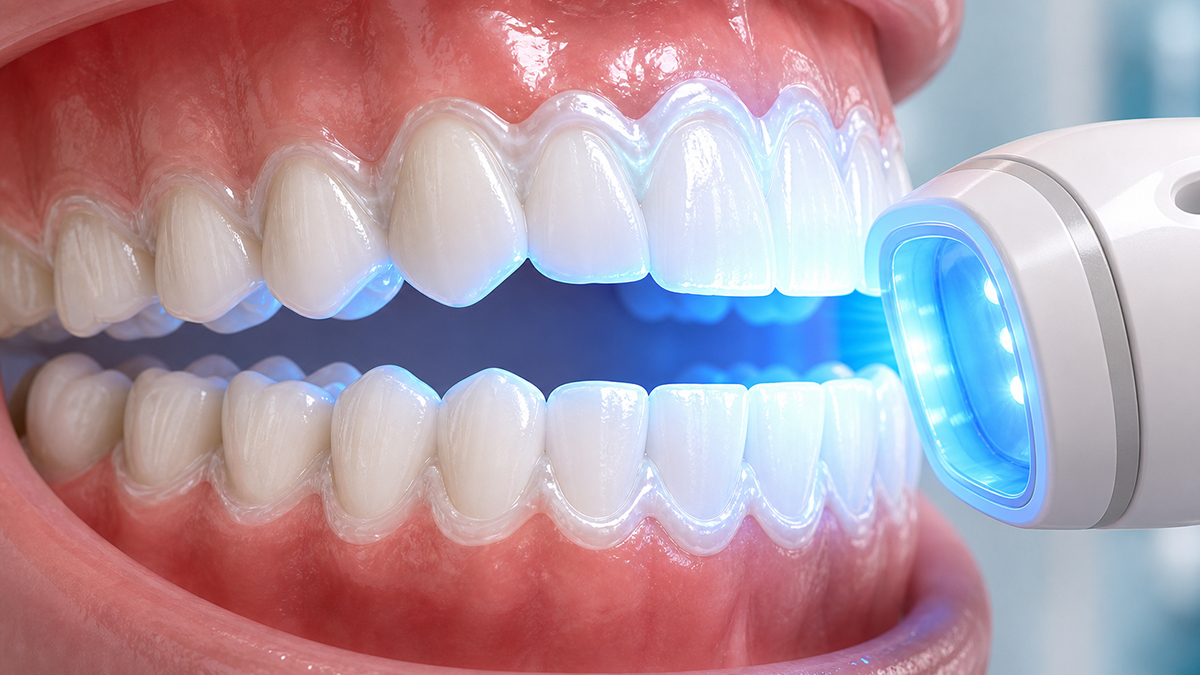
A custom occlusal splint is the first-line treatment for most patients with muscle-related TMJ pain or early joint changes. It is non-invasive, reversible, and worn mainly during sleep. Most patients adapt within one to two weeks, and symptoms often improve within four to eight weeks of consistent use. The limitation is that it cannot correct severe joint damage or structural disc displacement.
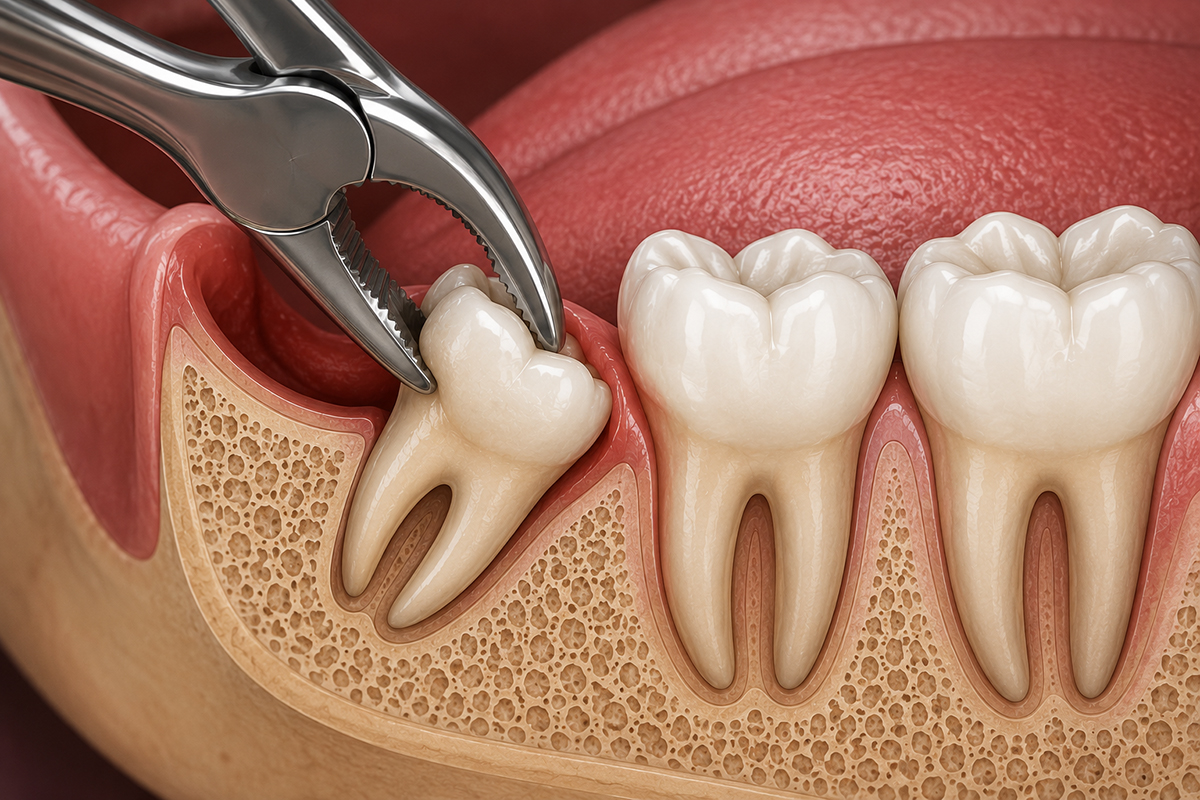
Surgical options like arthrocentesis or arthroscopy address the joint directly when conservative care fails, imaging shows significant joint changes, or the jaw locks repeatedly. These require sterile operating conditions, recovery time, and higher cost. They also demand adequate general health for anaesthesia and healing.
The oral and maxillofacial surgeon confirms the right option after clinical examination, scan review, and discussion of your symptoms and daily demands.