

Clock

Monday – Sunday

9AM – 9PM

Jaw Relief | Joint Comfort | Better Bite

TMJ Treatment Nallagandla


Jaw pain that wakes you, clicking when you chew, or mornings with a locked jaw are signs that the temporomandibular joint needs attention. TMJ Treatment in Nallagandla at Galaxy Dental Care addresses these symptoms through diagnosis, splint therapy, and when needed, minimally invasive joint procedures. Our 9 branches across Hyderabad, including Nallagandla, are equipped with OPG and CBCT imaging to assess joint position and bone structure. An oral and maxillofacial surgeon evaluates each case, checks your bite and muscle function, and explains the options before any treatment begins. Tmj Treatment in Kondapur is also available at our nearby branch for patients who prefer that location.

8200

Patients Recovered

10

Average Waiting Time

5

Satisfaction Rating

TMJ Treatment Nallagandla
Surgeon-Assessed TMJ Care

Surgeon-Assessed TMJ Care

Available across all 9 Hyderabad branches including Nallagandla.

Call Back
Need a Dental Service?

+91 86866 76781

Clock
Visiting Hours

Mon - Sun 9 AM to 9 PM

What Is

TMJ Treatment?

TMJ Treatment is care for the temporomandibular joints, the hinges that connect your jawbone to your skull. It addresses pain, clicking, limited opening, or locking caused by joint disc displacement, muscle overuse, arthritis, or bite imbalance. Treatment ranges from conservative measures like splints and physiotherapy guidance to joint procedures when structural change is present. It does not require surgery in most cases. The goal is to reduce load on the joint, restore comfortable jaw movement, and protect teeth from grinding damage. Tmj Treatment in Chandanagar follows the same assessment protocol at our branch there.

Conservative Splint Therapy

Conservative Splint Therapy


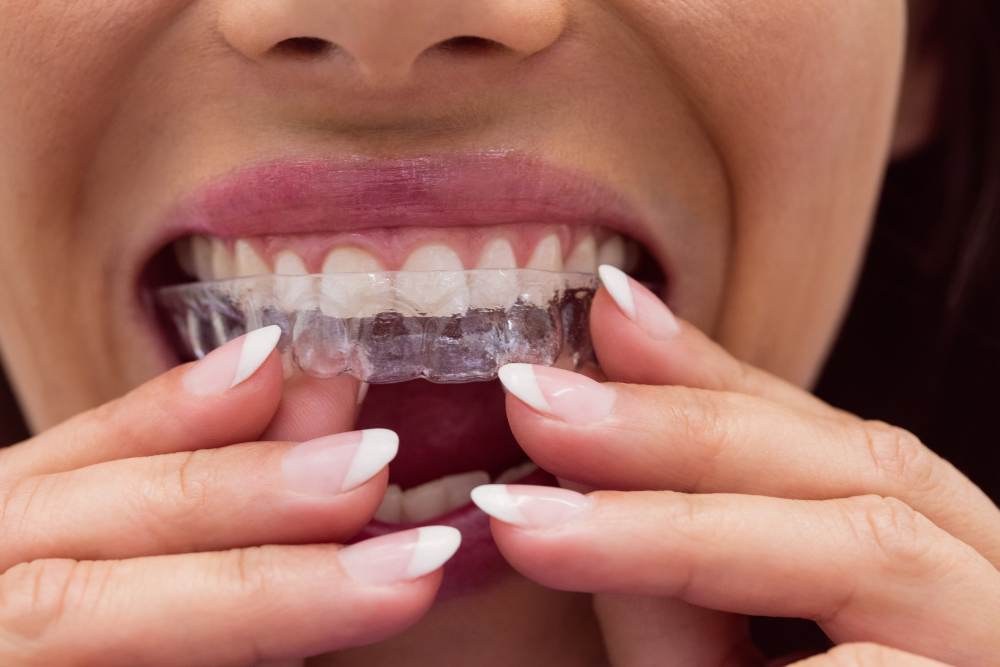
A custom hard acrylic occlusal splint worn mainly at night reduces grinding pressure and lets jaw muscles rest, suited for muscle-based pain and early joint changes.

Minimally Invasive Joint Care

Minimally Invasive Joint Care


Arthrocentesis or similar joint-space procedures flush inflammatory fluid and improve disc mobility for patients with persistent locking or advanced internal derangement.

TMJ Treatment?

Who Needs

TMJ Treatment?

An oral and maxillofacial surgeon confirms suitability after examining jaw range of motion, joint sounds, bite alignment, and CBCT or MRI findings if needed. Tmj Treatment in Kukatpally KPHB Colony is available for patients in that area. Here are the situations that most often lead patients to seek this care:

Jaw Pain and Tension

Chronic aching around the ear, temple, or cheek from clenching or grinding strains the joint and surrounding muscles until splint therapy reduces the load.

Jaw Pain and Tension

Clicking or Popping Jaw

A disc inside the joint slips forward during opening and snaps back, producing noise that may progress to catching or limited movement without intervention.

Clicking or Popping Jaw
TMJ Treatment?
Prefer Non-Surgical First

Prefer Non-Surgical First

Patients who want to try splint wear, diet modification, and muscle relaxation before considering any joint procedure often start with conservative management.

Old Splint No Longer Fits

Old Splint No Longer Fits

Prior occlusal guards wear down, crack, or stop fitting after dental changes, and a new impression and splint fabrication restores protection.

Medical History Limits Surgery

Medical History Limits Surgery

Patients with conditions that make open joint surgery higher risk may be better suited to splint therapy or arthrocentesis under local anaesthesia.

Medical History Limits Surgery

Medical History Limits Surgery

Patients with conditions that make open joint surgery higher risk may be better suited to splint therapy or arthrocentesis under local anaesthesia.

Types of

TMJ Treatment at Galaxy Dental Care

The oral surgeon recommends the right variant after assessing pain duration, joint sound type, opening range, imaging results, and grind pattern. Not every patient is a candidate for every type.

Night Guard Splint

Night Guard Splint

A removable acrylic guard worn during sleep separates the teeth and reduces muscle activity, with thickness adjusted to your bite.

Daytime Relaxation Splint

Daytime Relaxation Splint

A thinner variant for awake hours helps break daytime clenching habits and is less visible during speaking than a night guard.

Full Bite Splint

Full Bite Splint

Covers all upper or lower teeth to distribute pressure evenly across the arch and stabilize the joint position during healing.

Implant-Supported Bite

Implant-Supported Bite

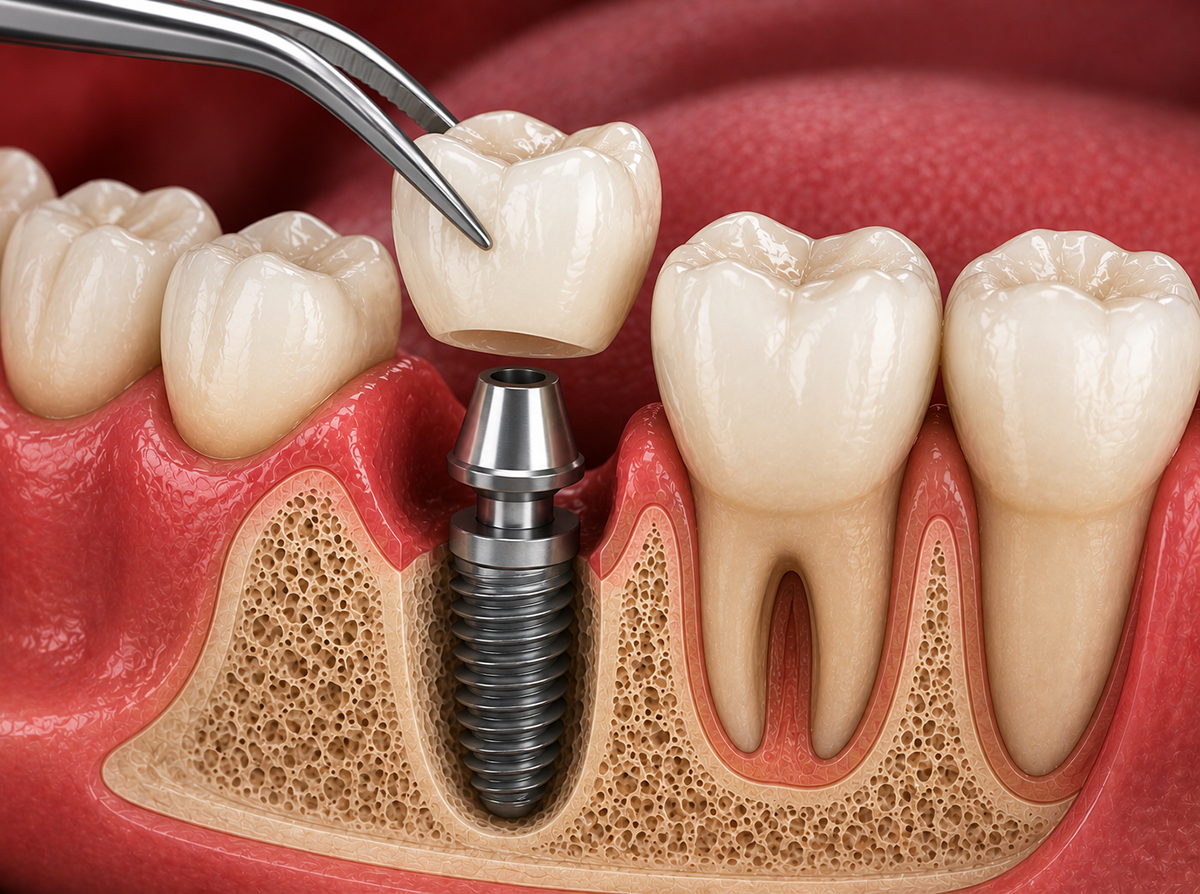
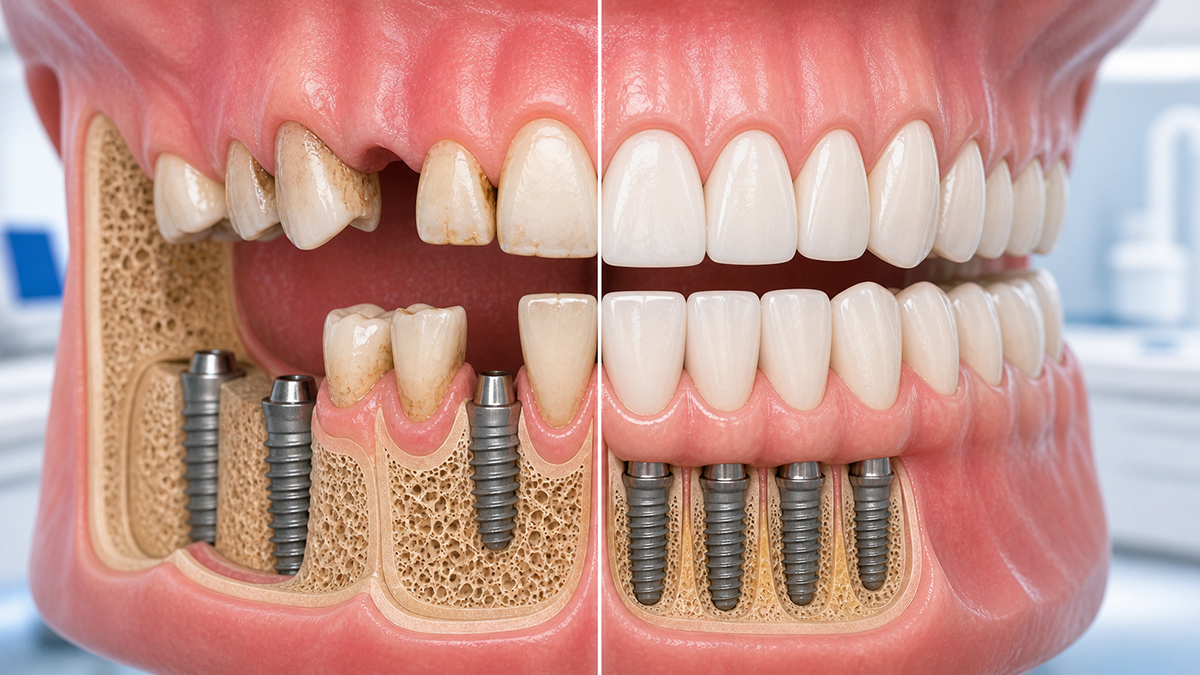
For patients with missing teeth and bite collapse, strategic implants restore vertical dimension and reduce joint overload.

How Does

TMJ Treatment Work?

Diagnosis and Splint Design begins with the oral surgeon recording your opening range, listening for joint sounds, and checking which teeth touch first when you close. OPG and CBCT scans show bone shape and joint space; MRI is arranged if disc position needs direct viewing. Impressions of both arches are taken with precise registration of your bite relationship. The splint design is planned in a dental laboratory using these models, and you review the expected wear schedule and adjustment plan before fabrication starts.

Diagnosis and Splint Design

Splint Delivery and Review happens when the finished splint is fitted and the dentist checks that all teeth meet it evenly with no high spots. You are shown how to insert and remove it, and told to expect mild saliva increase and slight speech adjustment for two to three days. A review visit in one to two weeks confirms fit comfort and checks for any sore spots. Most patients adapt within a month; the splint is then monitored at routine dental visits.

Splint Delivery and Review
Splint Therapy vs Joint Procedure

Which Is Right for You?

Splint Therapy vs Joint Procedure


Both options reduce TMJ symptoms but differ in invasiveness, recovery time, and the structural problems they address. Nallagandla patients can discuss both paths at consultation.

Conservative splint therapy is the starting point for most patients. It requires no incision, carries minimal risk, and gives the joint and muscles a chance to recover from overload. The limitation is that it manages symptoms rather than repairing torn or displaced disc tissue. Patients with true joint locking or bone change may need more than splint wear alone.

Minimally invasive joint procedures like arthrocentesis access the joint space through a small needle entry, flush inflammatory mediators, and can free a stuck disc. This requires sterile technique and local anaesthesia, with a shorter recovery than open surgery. It suits patients who have not responded to splints and confirmed internal derangement on imaging.

The oral and maxillofacial surgeon confirms the right option after clinical examination, imaging review, and discussion of your symptom history and daily demands.

What Happens at

Your First TMJ Consultation?

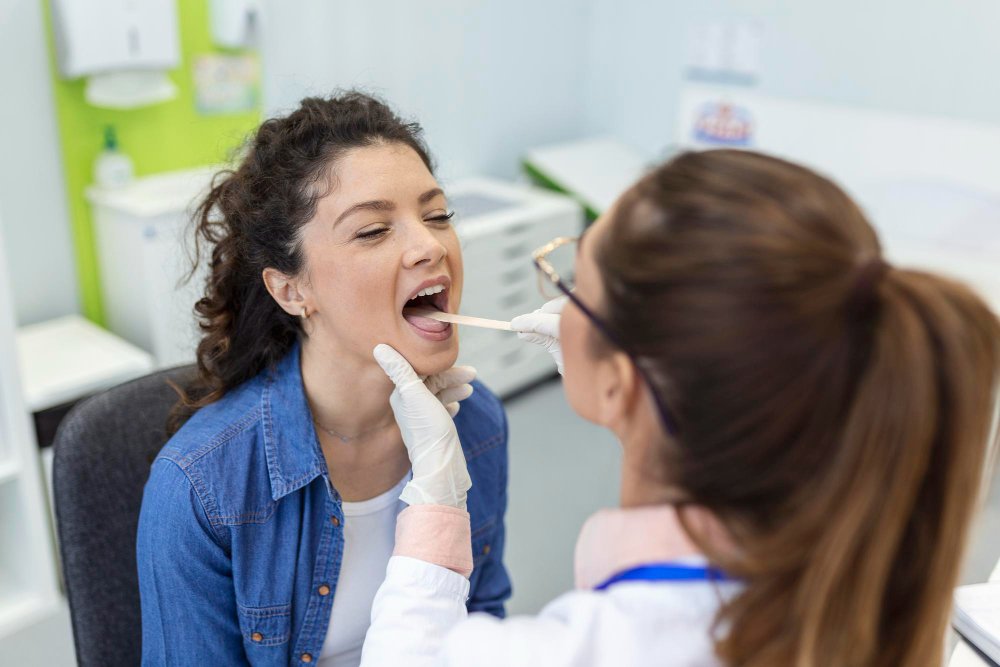
Patients searching "TMJ Treatment near me" in Nallagandla find that this visit determines your suitability, the recommended splint or procedure type, and what the full process involves.

Examination 1

Examination


The surgeon measures how wide you can open, palpates the joint and muscles, and notes any deviation or locking during movement.

History 2

History


Your grind history, prior splints, stress levels, and medical conditions are reviewed to identify triggers and rule out contraindications.

Imaging 3

Imaging


OPG and CBCT scans are taken in-house to view bone contours; MRI referral is arranged if soft tissue disc detail is needed.

Planning 4

Planning


The splint design or procedure plan is explained, including wear schedule, expected adaptation, and review timing before you decide.

Instructions 5

Instructions


You receive written aftercare guidance, the clinic emergency number, and your next appointment before leaving the consultation.

Why Galaxy Dental Care For

TMJ Treatment in Nallagandla?

Oral and maxillofacial surgeons at Galaxy Dental Care in Nallagandla assess and manage temporomandibular disorders with a structured protocol.

Splint fabrication and bite adjustment follow precise laboratory standards with specialist oversight.

Night guards, daytime splints, and full-arch options are available to match your symptom pattern and daily routine.

Every patient sees their splint fit checked, bite verified, and comfort confirmed before leaving, with a scheduled review to fine-tune.

Post-delivery support includes adjustment visits, wear guidance, and access to the 24/7 emergency line for urgent concerns.

Open Monday to Sunday, 9 AM to 9 PM, for consultations and follow-up visits across 9 Hyderabad branches.

TMJ Treatment in Nallagandla?

Aftercare And

Recovery for TMJ Treatment

After splint delivery, expect mild pressure awareness and slight speech change for 48 to 72 hours as muscles adapt to the new jaw position. Joint procedures may cause swelling for two to four days. Soft diet and prescribed jaw rest are standard during this period.

1

Wear the splint exactly as directed, removing only for eating and cleaning.

2

Brush the splint daily with plain water and a soft brush, no toothpaste.

3

Avoid gum, hard nuts, and wide yawning that strains the joint early on.

4

Attend the review visit and call the 24/7 line if pain worsens or the splint cracks.

Icon

Our Dental Services

All Dental Treatments
Under One Roof

Testimonials

Book Your Dental Care
Appointment Now!

Mon-Sun 9:00am - 9:00pm
Call Us On +91 86866-76781

Visit Us
Choose The Nearest Dental Clinic Branch, Pick A Service And Time Slot.

icon

Frequently Asked Questions
Get clear answers on appointments, treatment steps, scans, safety, and follow ups.

Most patients adapt within two to four weeks. Saliva flow increases and speech sounds slightly different for the first two to three days. The splint is adjusted at your review visit if any tooth feels high or sore.

A splint reduces muscle load and joint pressure, which often lessens clicking and pain. Outcomes depend on individual case and oral health status. If disc displacement is advanced, additional procedures may be discussed. Tmj Treatment in Banjara Hills offers the same assessment options.

Rinse it under cool water each morning and brush gently with a soft brush without toothpaste. Store in a ventilated case away from heat. Bring it to every dental visit for fit inspection.

Hard acrylic splints typically last two to five years with proper care. Grinding intensity, cleaning habits, and dental changes affect lifespan. Your dentist checks for wear at routine examinations.

The cost depends on splint material, whether imaging like MRI is needed, the number of adjustment visits, and whether any joint procedure is required. In India, conservative splint therapy typically ranges from ₹3,000 to ₹18,000, while arthrocentesis ranges from ₹8,000 to ₹30,000. Galaxy Dental Care provides a written treatment plan with costs before you commit.

Book Your Appointment

for a Healthier, Brighter Smile


Appointment

Request a
Call Back

Call Back

WhatsApp